
Construction projects are complex, fast-moving, and often unpredictable. With multiple subcontractors, shifting deadlines, evolving designs, and strict budgets, even a small miscommunication can quickly escalate into costly delays. Fortunately, modern construction management tools are designed specifically to streamline collaboration, centralize information, and keep every stakeholder aligned from groundbreaking to final inspection.
TLDR: Construction delays and miscommunication are often caused by disconnected systems, unclear documentation, and fragmented communication. The right project management tools centralize data, streamline communication, improve scheduling, and enhance document control. This article explores five powerful construction management tools that significantly reduce delays while improving team coordination. A comparison chart is included to help you determine which solution fits your project needs.
Let’s explore five of the most effective tools transforming construction management today.
1. Cloud-Based Project Management Platforms
Cloud-based construction management software acts as the central nervous system of your entire project. Instead of juggling spreadsheets, emails, and paper documents, teams can access a shared platform in real time.
These platforms typically include:
- Task management dashboards
- Real-time progress tracking
- Centralized document storage
- Budget tracking tools
- Team messaging systems
The primary advantage is visibility. When project managers, contractors, architects, and clients all reference the same live data, misunderstandings decrease dramatically.
For example, if a design update is uploaded, all stakeholders receive immediate access rather than relying on email chains that can easily be overlooked. This reduces rework — one of the most expensive causes of delay on construction sites.

Why it reduces delays:
- Prevents outdated document usage
- Eliminates communication silos
- Provides instant status updates
- Allows remote monitoring of progress
When everyone works from a single source of truth, miscommunication has far fewer opportunities to occur.
2. Scheduling and Critical Path Method Software
Scheduling is at the heart of every successful project. Even a one-day delay in material delivery can disrupt multiple downstream tasks. Advanced scheduling software built around the Critical Path Method (CPM) helps managers visualize dependencies and identify potential bottlenecks before they happen.
These tools allow teams to:
- Build detailed Gantt charts
- Map task dependencies
- Create milestone checkpoints
- Run delay simulations
- Track labor and equipment allocation
Rather than reacting to delays after they occur, project managers can proactively adjust schedules when risks appear.
Example scenario: If weather forecasts threaten concrete pouring, the schedule can be adjusted in advance to avoid cascading delays across framing, electrical, and finishing teams.
Modern scheduling platforms also integrate with procurement and workforce management tools, providing a synchronized view of schedule and resources.
Why it reduces delays:
- Identifies bottlenecks early
- Clarifies task dependencies
- Improves resource coordination
- Enhances accountability with timeline tracking
Clear timelines mean fewer surprises — and fewer disputes over responsibility when timelines shift.
3. Document Management and Version Control Systems
Construction projects generate enormous documentation: blueprints, RFIs, permits, contracts, inspection reports, and change orders. Without proper version control, teams often end up working from outdated files, leading to rework and budget overruns.
A dedicated document management system ensures:
- Automatic version control
- Time-stamped file updates
- Permission-based access
- Audit trails for accountability
Instead of digging through email threads to verify the latest blueprint revision, team members access a centralized document hub with clear version histories.

RFIs (Requests for Information) can be submitted, tracked, and resolved directly inside the system, eliminating back-and-forth communication gaps.
Why it reduces miscommunication:
- Prevents use of outdated plans
- Logs accountability for design changes
- Creates a transparent approval workflow
- Reduces legal disputes from unclear documentation
Miscommunication often stems from outdated information. With structured version control, that risk drops significantly.
4. Field Communication and Mobile Reporting Apps
Construction doesn’t happen behind desks — it happens on-site. Mobile field apps allow superintendents, inspectors, and subcontractors to report updates directly from the job site using smartphones or tablets.
Key features typically include:
- Daily progress logs
- Photo documentation
- Voice-to-text reporting
- Instant issue flagging
- Safety compliance tracking
Instead of waiting for weekly meetings, field workers can immediately notify project managers about delays, material shortages, or safety risks.
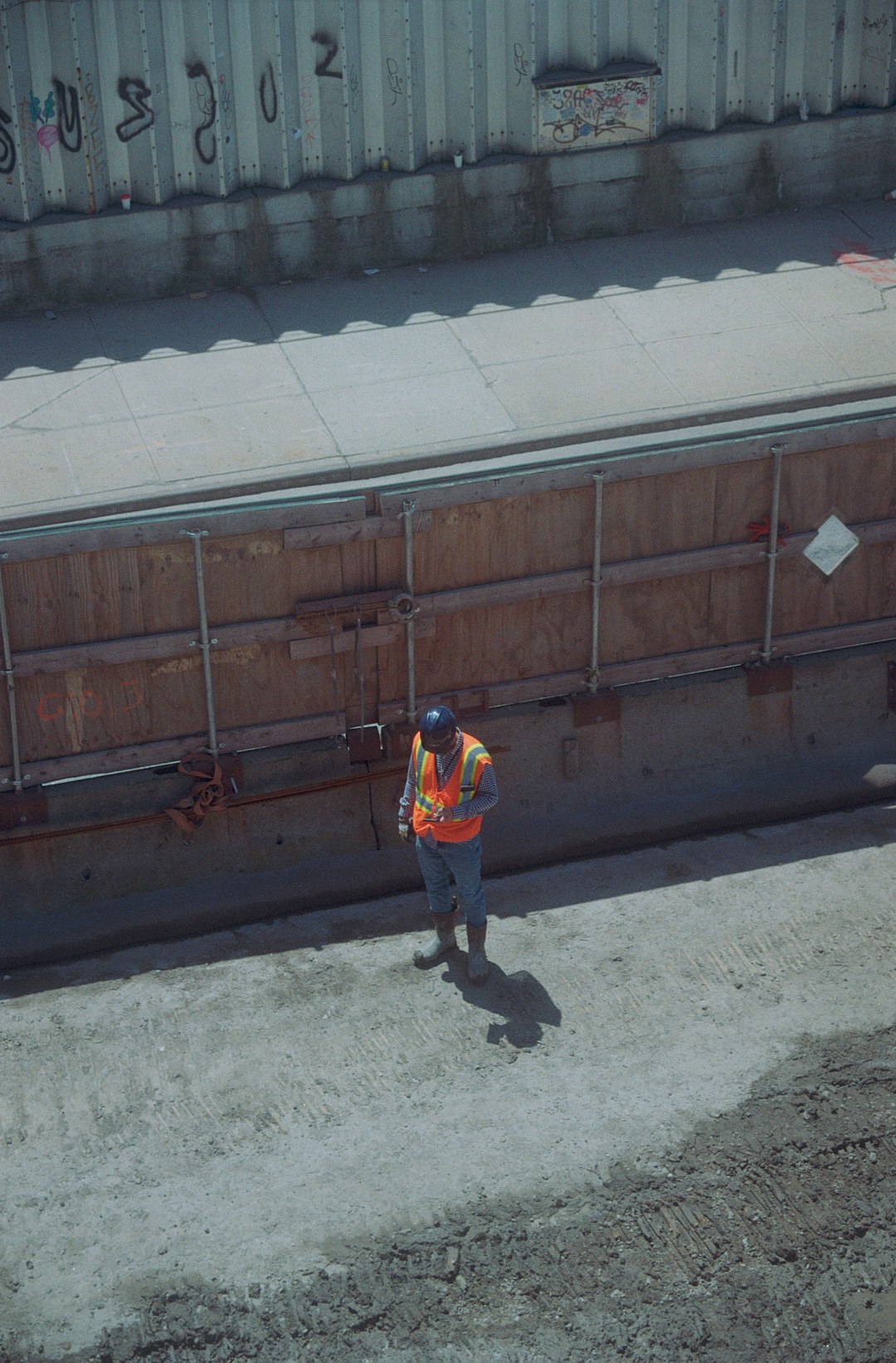
For example, if incorrect materials arrive, a field supervisor can upload images and notify procurement teams in real time. Immediate action prevents schedule disruptions from escalating.
Why it reduces delays:
- Speeds up problem resolution
- Improves real-time visibility
- Enhances quality control
- Strengthens field-to-office communication
By eliminating reporting lags, project leaders stay informed and responsive.
5. Building Information Modeling (BIM) Software
Building Information Modeling (BIM) takes project coordination to a higher level by creating intelligent 3D models that integrate architectural, structural, and MEP systems into a single digital environment.
Unlike traditional 2D drawings, BIM allows teams to:
- Visualize entire structures before construction begins
- Run clash detection to spot system conflicts
- Simulate construction sequencing
- Improve collaboration between disciplines
One major source of construction delays is system clashes — for example, ductwork overlapping with plumbing lines. BIM software detects these conflicts during the design stage rather than during installation.
The result: fewer surprises onsite, reduced rework, and smoother inspections.
Why it reduces miscommunication:
- Creates a shared visual reference
- Improves cross-discipline collaboration
- Detects errors before construction begins
- Reduces change orders
BIM shifts problem-solving from reactive to proactive — a major advantage in complex builds.
Comparison Chart: Construction Management Tools
| Tool Type | Primary Function | Main Delay Reduction Benefit | Best For |
|---|---|---|---|
| Cloud Project Management Platforms | Centralized collaboration | Eliminates information silos | Medium to large projects |
| Scheduling and CPM Software | Timeline planning and tracking | Identifies bottlenecks early | Projects with complex dependencies |
| Document Management Systems | Version control and documentation | Prevents outdated plan usage | Design-heavy builds |
| Field Communication Apps | Real-time site reporting | Speeds issue resolution | Large, active job sites |
| BIM Software | 3D modeling and clash detection | Prevents design conflicts before build | Complex structural projects |
Final Thoughts
Construction delays and miscommunication often stem from fragmented systems and unclear information flow. The tools discussed above address these issues from different angles — whether by centralizing communication, optimizing scheduling, controlling documentation, enhancing field reporting, or visualizing designs in 3D.
Implementing even one of these tools can significantly improve coordination. However, the true power emerges when multiple systems integrate seamlessly into a unified workflow.
In an industry where time equals money and mistakes are expensive, investing in the right construction management tools is not just about convenience — it’s about safeguarding timelines, budgets, and professional relationships.
The future of construction success lies in clarity, collaboration, and smart digital management.
