
As distributed systems grow more complex, developers increasingly rely on observability tools to trace requests across services, analyze latency, and pinpoint production bugs. While Honeycomb.io is a well-known platform for high-cardinality observability and distributed tracing, it is far from the only option. Teams often research alternative tools to better align with their tech stack, budget, scalability needs, or data sovereignty requirements.
TLDR: Developers exploring alternatives to Honeycomb.io for distributed debugging often consider platforms such as Jaeger, Datadog, New Relic, Grafana Tempo, Lightstep, and Elastic Observability. Each tool offers different strengths in tracing, metrics, log correlation, and cost structure. Open-source solutions provide flexibility and control, while commercial platforms deliver integrated experiences and advanced analytics. The best choice depends on system complexity, team expertise, and long-term scalability goals.
Below are six software options developers frequently research when evaluating distributed debugging solutions.
1. Jaeger
Jaeger is an open-source distributed tracing system originally developed by Uber. It has become one of the most widely adopted tracing tools within cloud-native environments and Kubernetes ecosystems.
Why developers consider Jaeger:
- Open-source and CNCF graduated project
- Native support for OpenTelemetry
- Flexible deployment options (self-hosted or managed)
- Strong Kubernetes integrations
Jaeger excels in environments where teams want full control over trace storage and analysis. It supports multiple storage backends such as Elasticsearch, Cassandra, and Kafka. For organizations prioritizing customization and cost control, especially those already using Kubernetes, Jaeger presents a powerful alternative.
However, it may require additional tooling to match the rich querying and event exploration features Honeycomb users expect.
2. Datadog APM
Datadog APM is a commercial observability platform offering distributed tracing, metrics, logging, and infrastructure monitoring in one unified interface.
Why developers evaluate Datadog:
- Full-stack observability in a single SaaS platform
- Automatic instrumentation for many frameworks
- Advanced analytics and anomaly detection
- Strong correlation between traces, logs, and metrics
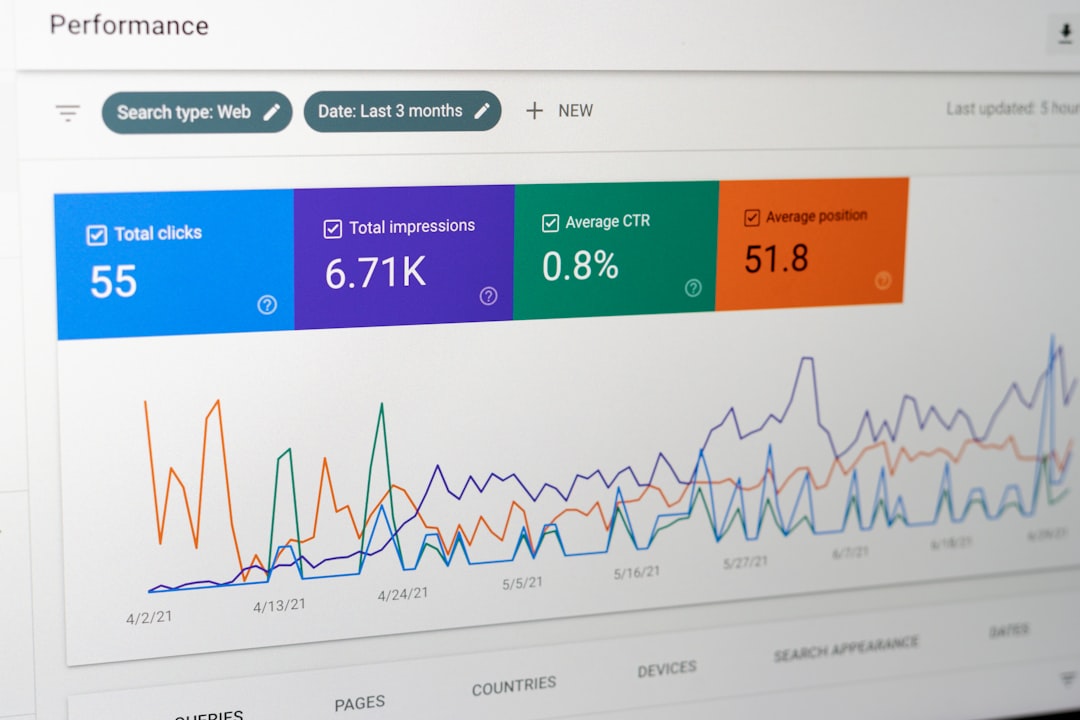
Datadog’s strength lies in its integrated experience. Teams can jump from a trace to related logs and infrastructure metrics instantly, reducing troubleshooting time. It also supports AI-driven alerting, helping teams spot unusual patterns before incidents escalate.
On the downside, cost can scale quickly in high-traffic environments, especially when ingesting large volumes of trace data.
3. New Relic
New Relic is another comprehensive observability platform that provides distributed tracing, real-user monitoring, infrastructure insights, and application performance management.
Reasons teams explore New Relic:
- Unified telemetry database
- Flexible pricing tiers
- Rich querying capabilities with NRQL
- Strong legacy APM support
New Relic’s distributed tracing capabilities integrate with its broader telemetry ecosystem, allowing developers to correlate slow database calls with frontend performance degradation. Its query language enables granular analysis of events, which appeals to teams accustomed to event-driven debugging models.
For organizations modernizing legacy systems, New Relic can bridge older infrastructure and microservices architectures effectively.
4. Grafana Tempo
Grafana Tempo is an open-source, high-scale distributed tracing backend designed to integrate deeply with the Grafana ecosystem.
Why Grafana Tempo gets attention:
- Cost-efficient trace storage
- Tight integration with Grafana dashboards
- Native OpenTelemetry compatibility
- Scales with object storage backends
Unlike some traditional tracing tools, Tempo does not index trace data by default, which significantly reduces storage overhead. Instead, it relies on trace IDs for lookups and integrates with metrics to navigate to relevant traces.
Teams already invested in Prometheus and Grafana often prefer Tempo because it complements their existing monitoring stack without introducing major new infrastructure complexity.
5. Lightstep
Lightstep is a SaaS observability platform originally built by engineers involved in Google’s Dapper tracing system. It focuses heavily on distributed systems performance at scale.
What makes Lightstep appealing:
- Advanced trace-based alerting
- Strong OpenTelemetry support
- Designed for high-cardinality environments
- Developer-focused workflows
Lightstep emphasizes deep visibility into microservices architectures and Kubernetes clusters. It provides features such as service diagrams and real-time change intelligence, helping teams understand how new deployments impact performance.
Organizations seeking Honeycomb-like high-cardinality event analysis often shortlist Lightstep as a closely aligned commercial alternative.
6. Elastic Observability
Elastic Observability, built on the Elastic Stack (Elasticsearch, Logstash, Kibana), supports distributed tracing alongside logs and metrics.
Reasons Elastic makes the list:
- Unified search across traces, logs, and metrics
- Powerful indexing and search capabilities
- Flexible self-managed or cloud deployments
- Mature ecosystem with strong community support
Elastic’s strength lies in its search capabilities. Developers can slice trace data using complex queries, filter by custom attributes, and cross-reference logs with ease. For teams already using Elasticsearch, adding distributed tracing may feel like a natural extension.
While it may require more configuration than turnkey SaaS solutions, it offers deep customization potential and data control.
Comparison Chart
| Tool | Open Source | SaaS Option | Best For | OpenTelemetry Support |
|---|---|---|---|---|
| Jaeger | Yes | Limited (via vendors) | Kubernetes native tracing | Yes |
| Datadog APM | No | Yes | Full stack observability | Yes |
| New Relic | No | Yes | Unified telemetry analytics | Yes |
| Grafana Tempo | Yes | Yes (Grafana Cloud) | Cost efficient trace storage | Yes |
| Lightstep | No | Yes | High cardinality microservices | Yes |
| Elastic Observability | Partially | Yes | Search driven analysis | Yes |
Key Factors Developers Consider
When researching alternatives to Honeycomb.io, developers typically evaluate several critical criteria:
- Data Cardinality: Ability to handle complex, high-dimensional telemetry.
- Scalability: Horizontal scaling for microservices-heavy systems.
- Cost Structure: Predictable ingestion and storage pricing.
- Ease of Instrumentation: Native OpenTelemetry SDK support.
- Query Flexibility: Advanced filtering, aggregation, and event breakdown.
- Deployment Model: SaaS vs self-hosted options.
No single tool fits every organization. Startups may prioritize speed of implementation and ease of use, while enterprises often focus on compliance, on-premise control, and deep analytics capabilities.
FAQ
1. Why would developers look for alternatives to Honeycomb.io?
Developers may seek alternatives due to pricing concerns, specific infrastructure requirements, data residency policies, or preference for open-source solutions. Some teams also want tighter integration with existing monitoring stacks.
2. Is open-source tracing better than SaaS observability platforms?
Open-source tools offer flexibility, customization, and potential cost control. SaaS platforms typically provide faster setup, managed scaling, and integrated analytics. The choice depends on internal expertise and operational priorities.
3. What role does OpenTelemetry play in distributed debugging?
OpenTelemetry standardizes the collection of traces, metrics, and logs. Most modern observability platforms support it, making migration between tools easier and reducing vendor lock-in.
4. Can multiple tracing tools be used together?
Yes. Some organizations use open-source backends like Jaeger or Tempo for storage while integrating with SaaS analytics layers. Hybrid approaches are increasingly common.
5. Which alternative is most similar to Honeycomb.io?
Lightstep is often considered the closest in philosophy due to its high-cardinality support and trace-centric debugging approach. However, Datadog and New Relic offer broader ecosystem integrations.
6. What is the most cost-effective option?
Grafana Tempo and Jaeger tend to be cost-effective for teams willing to self-manage infrastructure. However, true cost depends on ingestion volume, retention policies, and operational overhead.
Ultimately, developers researching distributed debugging tools must balance performance visibility, cost, usability, and ecosystem fit. The growing maturity of observability platforms ensures that teams have multiple viable paths beyond Honeycomb.io.
