
Hiring the right talent is one of the most critical drivers of organizational success. Yet, recruitment is often slowed down by manual processes, scattered communication, and inconsistent evaluation methods. Modern recruitment tools have transformed this landscape by streamlining sourcing, screening, interviewing, and onboarding into cohesive workflows. When thoughtfully implemented, these tools reduce time-to-hire, improve candidate quality, and create a more professional experience for everyone involved.
TLDR: Recruitment today requires more than job postings and resumes. The right combination of tools can automate repetitive tasks, improve candidate sourcing, standardize evaluations, and simplify collaboration across hiring teams. From applicant tracking systems to onboarding software, these eight solutions help organizations hire faster and more effectively. Investing in the right technology reduces hiring costs and strengthens long-term workforce performance.
Below are eight recruitment tools that simplify hiring from start to finish, along with insights into how each contributes to a more efficient and reliable hiring process.
1. Applicant Tracking Systems (ATS)
An Applicant Tracking System forms the backbone of modern recruitment. It centralizes job postings, resumes, candidate communications, and hiring workflows into one organized platform.
- Automates resume parsing
- Tracks candidate progress through defined recruitment stages
- Stores communication history for better collaboration
- Generates hiring reports for data-driven decision making
Instead of relying on spreadsheets and email chains, hiring teams can access real-time updates and ensure no candidate falls through the cracks.
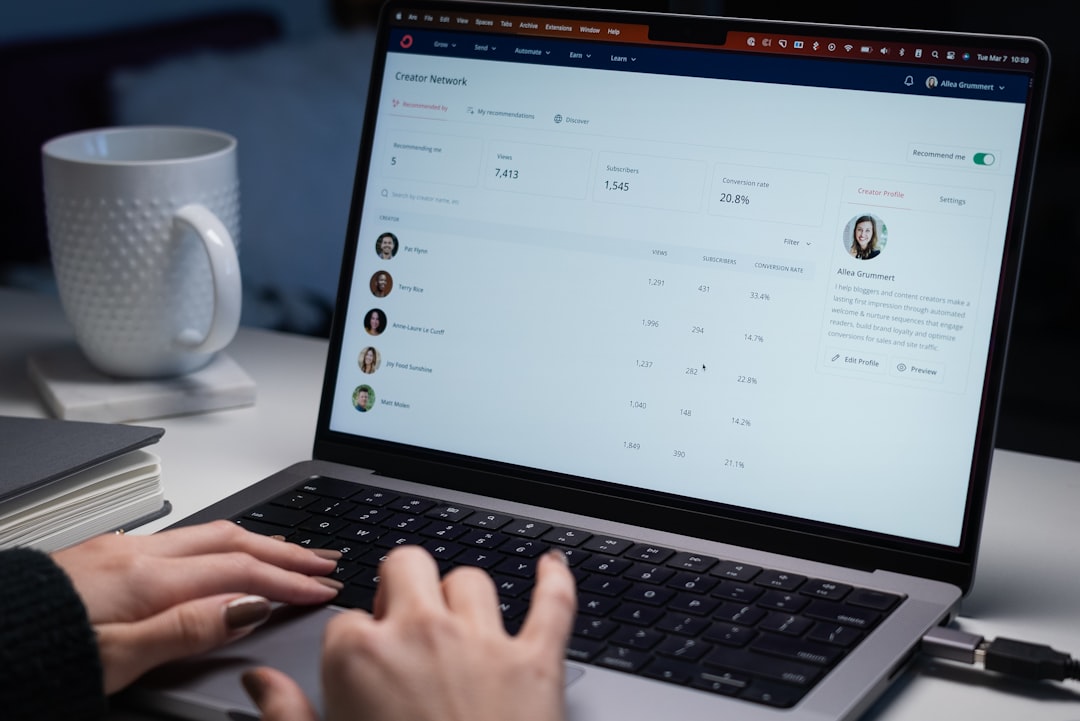
For growing organizations, an ATS is not optional but foundational. It improves compliance, enhances visibility, and reduces administrative workload significantly.
2. Job Distribution and Multiposting Tools
Posting vacancies manually across multiple job boards is time-consuming and inconsistent. Job distribution tools allow recruiters to publish one listing and distribute it automatically to various job sites.
- Expand reach across different platforms
- Track which job boards generate the best applicants
- Ensure consistent job descriptions
This capability reduces repetitive tasks and improves applicant flow. It also provides valuable analytics about sourcing effectiveness, enabling teams to allocate budgets more strategically.
3. Resume Screening and AI Matching Tools
High application volumes often overwhelm recruitment teams. AI-powered screening tools analyze resumes and rank candidates based on predefined criteria such as skills, experience, and education.
Key benefits include:
- Reduced manual review time
- Objective shortlisting based on standardized metrics
- Keyword and skill matching
While these tools do not replace human judgment, they help narrow the field efficiently. Recruiters can then focus on evaluating top candidates more thoroughly.
4. Candidate Relationship Management (CRM) Software
Recruitment is as much about long-term relationship building as it is about filling immediate roles. A Candidate Relationship Management system helps organizations nurture talent pipelines over time.
- Segment candidates by skills and career interests
- Send personalized follow-ups and updates
- Maintain engagement with passive candidates
Rather than starting from zero each time a position opens, recruiters can tap into an existing pool of pre-qualified prospects. This significantly shortens hiring cycles and improves talent quality.
5. Interview Scheduling Tools
Coordinating interviews across busy calendars can lead to bottlenecks and delays. Scheduling tools automate this process by syncing with calendars and offering real-time availability options to candidates.
- Eliminates email back-and-forth communication
- Reduces scheduling errors
- Improves candidate experience
Efficient scheduling reflects professionalism. A smooth process signals organizational competence and reinforces a positive employer brand.
6. Video Interviewing Platforms
Remote and hybrid work models have increased the importance of video interviewing platforms. These tools enable live or recorded interviews that candidates can complete at their convenience.
Advantages include:
- Geographic flexibility for global hiring
- Structured interview formats
- Recorded sessions for team review
Asynchronous video interviews are particularly useful in the early screening phase, allowing recruiters to evaluate multiple candidates without coordinating simultaneous availability.
7. Assessment and Skills Testing Software
Resumes and interviews do not always provide a complete picture of a candidate’s abilities. Assessment tools offer objective testing in areas such as coding, language proficiency, cognitive ability, and job-specific skills.
- Standardizes evaluation criteria
- Reduces bias in candidate selection
- Identifies high-performing candidates early
By incorporating structured assessments, organizations can make more confident hiring decisions supported by measurable evidence.
8. Onboarding Software
The hiring process does not end with an offer letter. Effective onboarding ensures new employees integrate smoothly into the company. Digital onboarding platforms manage documentation, training modules, task assignments, and orientation schedules.
- Automates paperwork and compliance documentation
- Provides structured onboarding plans
- Enhances new hire engagement
Well-organized onboarding reduces early turnover and accelerates productivity, maximizing the value of the hiring investment.
Recruitment Tool Comparison Chart
| Tool Type | Main Purpose | Key Benefit | Best For |
|---|---|---|---|
| Applicant Tracking System | Manage candidate workflow | Centralized data management | All company sizes |
| Job Distribution Tool | Post jobs across platforms | Expanded reach | High-volume hiring |
| AI Screening Tool | Rank and filter resumes | Time savings | Large applicant pools |
| Recruitment CRM | Build talent pipelines | Long-term engagement | Ongoing hiring needs |
| Scheduling Tool | Automate interviews | Reduced coordination delays | Busy hiring teams |
| Video Interview Platform | Conduct virtual interviews | Remote flexibility | Distributed teams |
| Assessment Software | Test candidate skills | Objective evaluation | Technical and specialized roles |
| Onboarding Software | Integrate new hires | Faster productivity | Growing organizations |
How These Tools Work Together
Individually, each tool addresses a specific challenge within recruitment. Together, they form an integrated ecosystem that supports hiring from job posting to employee integration.
A simplified recruitment flow supported by these tools may look like this:
- Create and distribute job listings using an ATS and multiposting tool.
- Screen applications with AI filtering software.
- Nurture promising candidates in a CRM database.
- Schedule interviews using automated booking tools.
- Conduct video interviews and structured assessments.
- Extend offers and onboard digitally through onboarding software.
This structured approach enhances consistency, improves transparency, and allows leadership teams to measure performance using recruitment analytics.
Why Simplified Hiring Matters
Inefficient recruitment processes lead to lost productivity, increased costs, and missed opportunities. Every vacancy left unfilled affects business operations. Furthermore, slow communication or disorganized processes can damage employer branding and cause top candidates to disengage.
By simplifying hiring with the right tools, organizations can:
- Reduce time-to-hire
- Improve quality of hires
- Enhance candidate experience
- Support data-driven HR strategies
- Strengthen compliance and documentation
Technology does not replace the human element in hiring. Instead, it frees recruiters from administrative burdens so they can focus on relationship building, strategic decision-making, and cultural alignment.
Final Considerations
Selecting the right recruitment tools requires careful evaluation. Organizations should assess current hiring challenges, projected growth, integration capabilities, and data security standards before investing in new software.
A coherent recruitment technology stack is not about adopting every available solution. It is about choosing dependable, scalable tools that align with business objectives and workforce planning strategies.
When implemented thoughtfully, these eight recruitment tools create a streamlined, transparent, and measurable hiring process. The result is not only faster hiring but stronger teams built on informed, consistent, and efficient decision-making.
