
Product analytics tools like Mixpanel are super useful. They help you understand what users are doing in your app. But when it comes to pricing, Mixpanel’s premium plans can hit small teams or indie devs *hard*. Luckily, there are some amazing open-source alternatives that give you the same capabilities — for free!
TL;DR
If Mixpanel is too expensive for your team, open-source product analytics tools can help. Many are built by smart dev communities and offer great features without the premium price. Tools like PostHog, Plausible, and Matomo let you track user behavior and make better product decisions. You can self-host them, avoid vendor lock-in, and still get powerful insights.
Why Go Open Source?
Going open source has some sweet benefits:
- Free to use — No hidden costs or pricing tiers.
- Customizable — You can tweak it to your app’s needs.
- Private — You control the data. No unknown third parties.
- Community-driven — Updates and features are built by people like you.
Okay, let’s jump into the fun part. Here are the top 6 open-source tools developers are using instead of Mixpanel:
1. PostHog — All-in-One Product Analytics
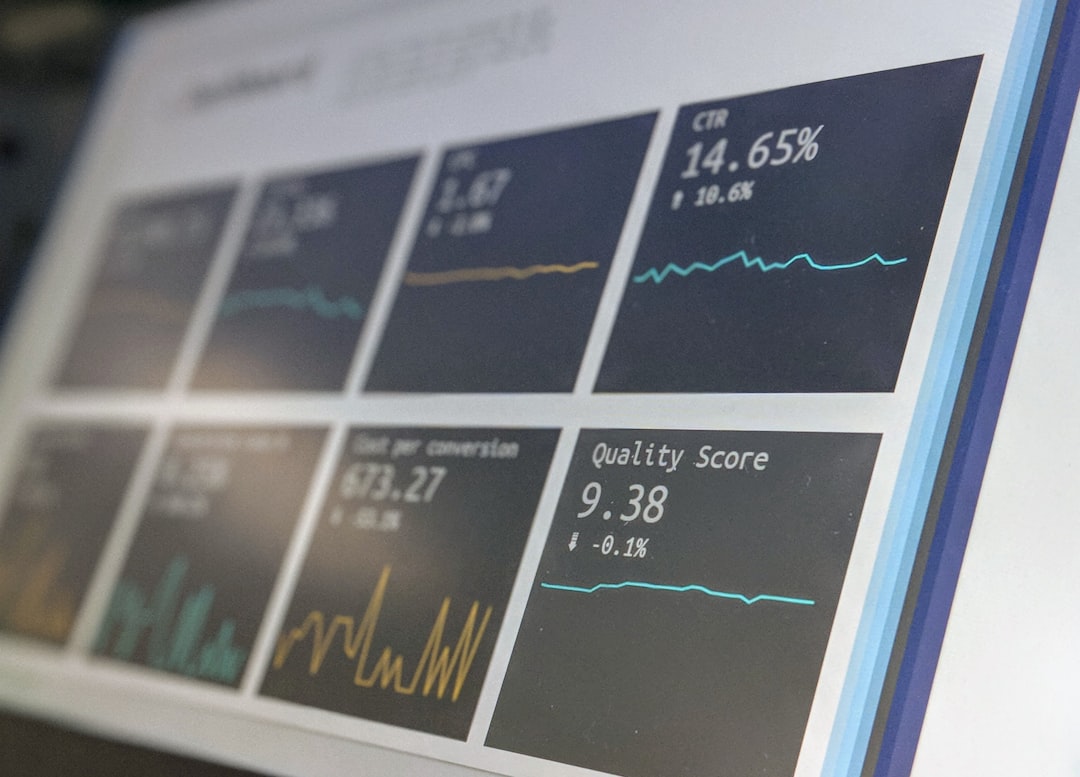
PostHog is a star in the world of open-source product analytics. It offers pretty much everything Mixpanel does — user tracking, funnels, heatmaps, and even session recording.
- Self-host or use their managed cloud
- Event-based analytics
- Visual dashboards
- Product features like A/B testing and feature flags
For developers, the flexibility is a dream. You can even plug it into your CI/CD pipelines to control feature rollouts.
Best for: Teams who want full control and rich features similar to Mixpanel.
2. Plausible — Simple, Lightweight Analytics
Plausible is designed to be *privacy-friendly* and super easy to use. You won’t get click maps or fancy funnels, but you’ll get clean, real-time analytics that respects user privacy.
- No cookies or tracking personal data
- Lightweight script — less than 1 KB
- Google Analytics alternative with better focus on GDPR/CCPA
You won’t go deep with user journeys, but Plausible still gives devs the essentials they often need.
Best for: Developers building fast websites or simple apps who want quick insights.
3. Matomo — Google Analytics on Steroids
Matomo (formerly Piwik) gives you complete ownership and a similar experience to Google Analytics — but without the creepy tracking vibes.
- 100% data ownership
- Goals, events, and ecommerce tracking
- Heatmaps, session recording, and forms analytics (paid add-ons)
It’s kinda heavy compared to others, but super reliable for in-depth reports.

Best for: Organizations needing enterprise-level stats with open-source flexibility.
4. Umami — Clean & Developer-Friendly
Umami is a minimalist’s dream. Clean dashboards, simple event tracking, and no bloat. It’s perfect when you just want to answer: “Is anyone using this feature?”
- Self-hosted with a slick UI
- Event tracking support
- Privacy-friendly
- Integrates easily with modern JavaScript apps
Plus, installation is super quick with Docker or Vercel.
Best for: Developers who like clean code, clean design, and clean data.
5. Countly — Multi-purpose Analytics Suite
Countly isn’t just about web analytics — it also shines in mobile and desktop app tracking. It’s like a Swiss Army knife for product analytics and customer experience tools.
- Mobile SDKs for Android/iOS
- Crash reports, push notifications, and user profiles
- Modular — enable only what you need
- Real-time data
Countly’s open-source version is quite powerful, but some enterprise features need a paid upgrade.
Best for: Mobile developers and cross-platform apps looking for a unified solution.
6. RudderStack — Event Pipeline with a Focus
Okay, so RudderStack isn’t a full analytics suite on its own, but hear me out. It’s great at moving event data from your app to wherever you need it — including PostHog, Google BigQuery, or your own data warehouse.
- Event pipelines and integration hub
- Open-source alternative to Segment
- Built for modern data stacks
- Supports cloud and device destinations
If you’re building a custom product analytics setup, RudderStack is your event-routing superhero.
Best for: Teams who want to build a custom analytics stack using best-in-class tools.
Tips for Picking Your Tool
Still not sure which one to pick? Here’s a cheat sheet:
- Want full analytics + session recording? Go with PostHog or Countly.
- Need privacy-focused, no-cookie insights? Plausible or Umami are great choices.
- Analytics meets Google style reports? Try Matomo.
- Building a custom pipeline? Add RudderStack into the mix.
Final Thoughts
You don’t need a Mixpanel subscription to understand your users. These open-source analytics tools let you track, measure, and improve — without blowing your budget. Plus you get more control over how your app’s data is handled.
Start small. Try one tool on a side project. See what fits your team and app best. And who knows? You might never go back to the big-name SaaS options again.
Happy measuring, devs!
