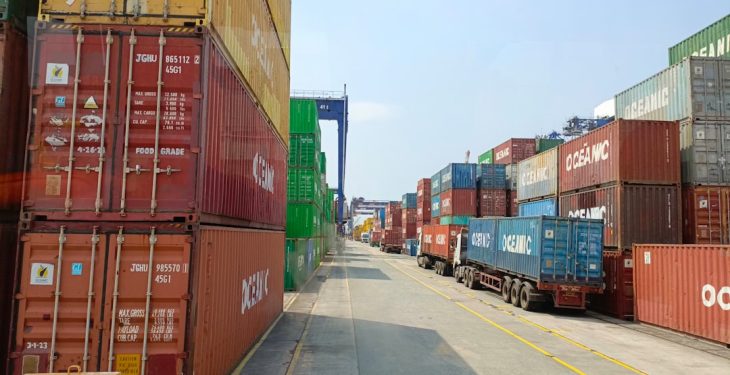
The world of logistics is rapidly evolving, driven by the demands of global commerce, technological advancements, and the rise of e-commerce. As supply chains become more complex and interconnected, the need for skilled professionals in logistics is at an all-time high. This article explores some of the most in-demand logistics occupations, their responsibilities, required skills, and career outlooks.
TLDR (Too Long; Didn’t Read)
High-demand logistics occupations include roles like supply chain analysts, logistics coordinators, warehouse managers, and transportation planners. These jobs have risen in relevance due to growing e-commerce demands and global trade networks. Most positions require a combination of analytical skills, technological proficiency, and operational experience. With logistics being central to modern business operations, career growth and stability in this field are promising.
What Is Logistics?
Logistics refers to the detailed coordination and management of the flow of goods, services, and information from point of origin to point of consumption. It encompasses multiple facets of the supply chain, including purchasing, inventory management, warehousing, transportation, and distribution. The goal is to ensure timely and cost-effective delivery of products.
Why Logistics Jobs Are In High Demand
Several key factors are driving the increased demand for logistics professionals:
- Growth in e-commerce: Online shopping has led to increased parcel shipments and return logistics.
- Globalization: Businesses source and sell goods internationally, requiring complex supply chain networks.
- Technological advancement: Automation, data analytics, and AI are transforming logistics operations and creating new role requirements.
- Customer expectations: The rise of next-day and same-day delivery norms means supply chains must be faster and more efficient than ever.

Top High-Demand Logistics Occupations
1. Logistics Coordinator
A logistics coordinator manages the daily movement of goods, materials, and services. Common responsibilities include scheduling shipments, tracking product deliveries, managing inventory levels, and communicating with vendors and clients.
Skills needed:
- Excellent organizational abilities
- Proficiency in inventory and shipment tracking systems
- Strong communication and problem-solving skills
Outlook: With businesses expanding into new markets and customer bases, logistics coordinators are essential to ensure seamless operations across the supply chain.
2. Supply Chain Analyst
A supply chain analyst evaluates and improves supply chain operations. They gather and interpret data on inventory levels, delivery performance, and production capacity to identify inefficiencies and suggest improvements.
Skills needed:
- Strong analytical and quantitative skills
- Expertise in statistical software and Excel
- Understanding of supply chain management principles
Outlook: As supply chains become more data-driven, this role is becoming increasingly vital for strategic planning and cost reduction.
3. Warehouse Manager
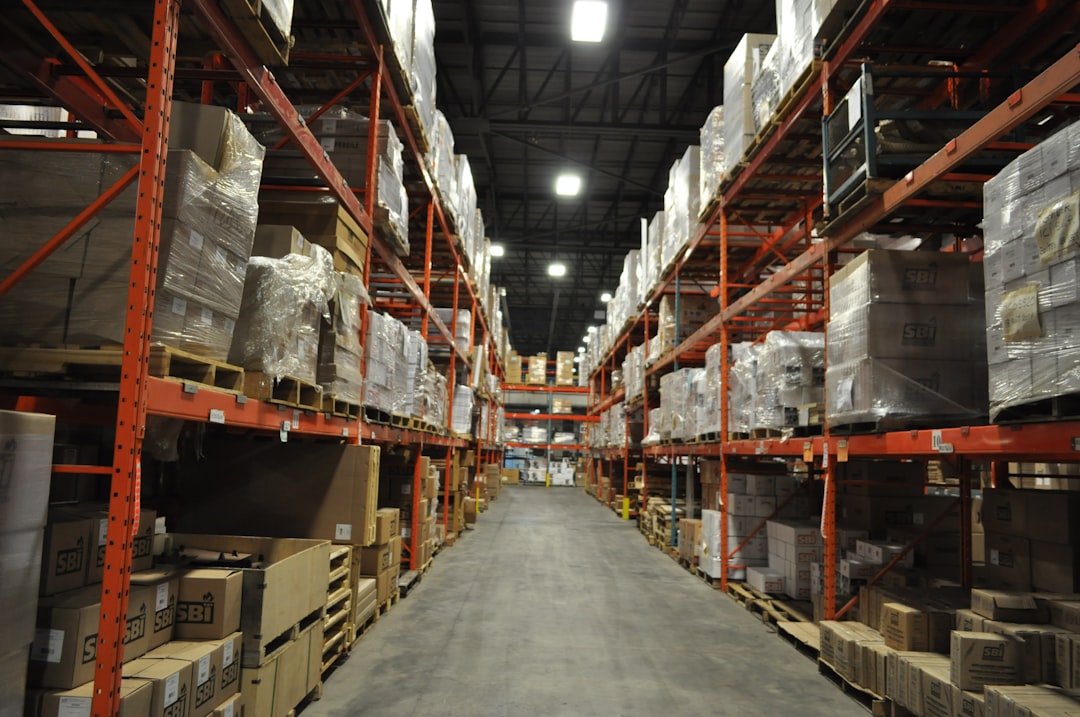
A warehouse manager oversees storage and distribution processes within a warehouse facility. They are responsible for maintaining safety standards, optimizing space utilization, managing staff, and ensuring that orders are processed efficiently.
Skills needed:
- Leadership and team management
- Knowledge of warehouse management systems (WMS)
- Inventory control and logistics understanding
Outlook: As demand for faster fulfillment grows, warehouse operations will need efficient managers who can adapt to both human and automated environments.
4. Transportation Planner
Transportation planners ensure that products are transported efficiently, cost-effectively, and on time. They work closely with manufacturers, shipping companies, and warehouse facilities to coordinate routes and schedules.
Skills needed:
- Geographical knowledge and routing software proficiency
- Cost forecasting and budgeting abilities
- Strong negotiation and vendor management skills
Outlook: The need for optimized delivery routes, especially in urban areas, is contributing to the growing importance of this role.
5. Inventory Control Specialist
This role involves monitoring and managing inventory levels to prevent overstocking or stockouts. Inventory control specialists aid in demand forecasting and use technology to track product movement.
Skills needed:
- Attention to detail
- Experience with inventory software (e.g., Oracle, SAP)
- Strong numerical and analytical skills
Outlook: With just-in-time inventory systems becoming the norm, specialists in this area continue to see high demand across industries.
6. Freight Broker
A freight broker acts as the intermediary between shippers and carriers. They are responsible for negotiating rates, coordinating transport schedules, and providing timely communication between parties.
Skills needed:
- Negotiation and networking skills
- Regulatory and legal knowledge related to shipping
- Customer service and sales-oriented mindset
Outlook: The rise of third-party logistics and flexible shipping options means that freight brokers continue to play a key coordinating role.
Educational and Training Pathways
While some logistics roles require only a high school diploma and on-the-job training, others may demand an associate or bachelor’s degree in fields like supply chain management, business, or logistics. Certifications like the Certified Supply Chain Professional (CSCP) or Certified in Logistics, Transportation and Distribution (CLTD) can significantly boost career prospects.
Industries Hiring Logistics Professionals
Logistics careers are not limited to transportation companies. The following industries actively seek logistics talent:
- Retail and e-commerce (e.g., Amazon, Walmart)
- Manufacturing
- Healthcare and pharmaceuticals
- Food and beverage producers
- Military and defense contractors
Technological Impact on Logistics Careers
Technology is reshaping the logistics landscape. Automated sorting systems, robotics in warehousing, GPS-enabled delivery tracking, and AI for route optimization are all changing job requirements. Professionals who stay up-to-date with digital tools have a distinct advantage in the job market.
Career Outlook and Salary Expectations
According to the U.S. Bureau of Labor Statistics, the logistics industry is expected to grow by at least 4% over the next decade. Salary ranges vary by position, experience, and location:
- Logistics Coordinator: $45,000–$65,000
- Supply Chain Analyst: $60,000–$85,000
- Warehouse Manager: $55,000–$80,000
- Transportation Planner: $50,000–$75,000
- Inventory Control Specialist: $40,000–$60,000
- Freight Broker: $45,000–$70,000 (with potential bonuses)
Conclusion
The logistics field offers a wide variety of high-demand job opportunities, each playing a vital role in the movement of goods across regions and around the world. With the continued expansion of global trade and digital commerce, the demand for skilled logistics professionals is projected to remain robust. Whether one is entering the workforce or seeking a career change, logistics promises a dynamic and rewarding path.
FAQ: High-Demand Logistics Occupations
- Q: Do I need a degree to work in logistics?
A: Not always. Some roles like warehouse operations or freight brokerage rely more on experience and skills than formal education, though degrees can help in managerial or analytical roles. - Q: What kind of skills are most valuable in logistics?
A: Analytical thinking, problem-solving, communication, tech proficiency, and adaptability are highly important. - Q: Is logistics a good long-term career?
A: Yes. The growing complexity of supply chains and reliance on fast delivery make logistics a stable and often lucrative field. - Q: Are logistics jobs stressful?
A
