
In the age of smartphones, free design tools, and instant photo editors, it’s tempting to believe that anyone can create compelling digital visuals without professional training. With platforms offering quick templates and AI-based enhancements, the line between amateur and professional content seems blurrier than ever. Yet, even amid this democratization of design, professional visuals still hold a unique and enduring power in the digital landscape.
TL;DR (Too Long, Didn’t Read)
Despite the plethora of do-it-yourself design tools available today, professionally designed visuals continue to make a significant impact across digital platforms. These visuals not only increase brand credibility but also improve user engagement and message clarity. As competition intensifies online, investing in professional graphic design and photography often makes the difference between blending in and standing out. Visual excellence is still a hallmark of serious, successful businesses in the digital era.
What Makes Professional Visuals Stand Out Online?
Professionally created visuals are not just about pretty pictures. They are designed with strategy, audience behavior, and branding consistency in mind. Unlike generic templates or improvised content, these visuals are purposeful and optimized to resonate strongly with their intended audience. Below are some of the key factors that distinguish them from amateur creations:
- Brand Consistency: Professional visuals maintain cohesion in terms of color palettes, typography, and style, reinforcing the brand’s identity across different digital channels.
- Technical Precision: High-quality resolution, proper file formats, and optimized dimensions ensure compatibility across various devices and loading speeds, which impacts user experience and SEO.
- User-Centered Design: Trained designers create visuals that guide the viewer’s eyes, prioritize important information, and drive action through deliberate layout and design principles.
It is this combination of aesthetic and functional design that allows professional visuals to amplify a brand’s presence online.
Why First Impressions Still Rely on Visuals
People are visual creatures. According to multiple studies, humans process images 60,000 times faster than text. That means the first few seconds a visitor spends on a website or social media profile are usually spent evaluating its design — not reading its content.
A strong first impression can:
- Increase user trust and credibility
- Reduce bounce rates
- Encourage deeper interaction with the content
- Improve retention and brand recall
Conversely, poorly designed or low-resolution visuals can drive audiences away before they even understand what a product or service is offering.

The ROI of Investing in Professional Design
While it may be tempting to minimize expenses by using free tools or stock visuals, the long-term ROI of investing in custom professional content often outweighs the cost. Professionally designed elements can significantly enhance conversion rates and customer retention metrics.
Benefits include:
- Improved conversion rates due to better visual storytelling
- Accelerated brand growth through a consistent, recognizable identity
- Higher social engagement on platforms like Instagram, Pinterest, and Facebook
Professional visuals often turn passive interest into active engagement, leading to stronger performance across all key performance indicators (KPIs).
Case Studies: Brands That Made Visuals Work
Brands like Apple, Nike, and Airbnb demonstrate how powerful an impact professional graphic design and photography can have. Their digital presence is anchored by visuals that are consistently polished, emotionally appealing, and strategically aligned with their message.
Small and medium-sized businesses can harness the same power, even with limited budgets. By working with freelance designers or boutique creative agencies, brands can gain access to professional expertise without breaking the bank.
Professional Photography Vs. Smartphone Photos
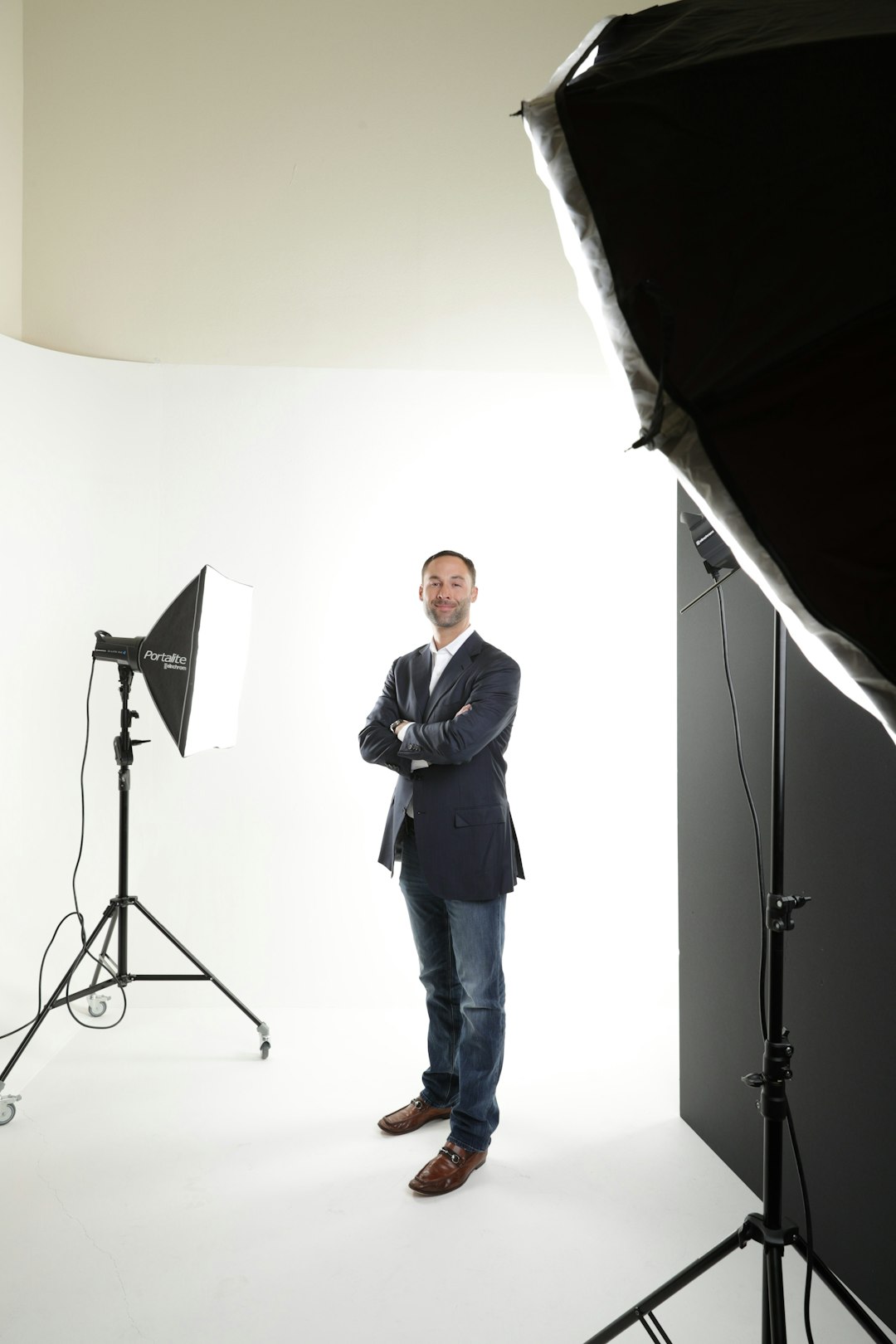
Smartphone cameras have advanced dramatically, but they still fall short in situations requiring precision, depth, and artistic control. Professional photographers bring a creative eye, technical skill, and post-production experience that elevate the final output.
Consider scenarios where professional photography shines:
- Product photography for e-commerce
- Portraits for personal branding or professional profiles
- Real estate listings needing architectural detail
- High-end marketing campaigns requiring mood and storytelling
Lighting, composition, lens quality, and editing can make or break the effectiveness of a visual message — areas where pros excel.
Impulse vs. Intention: Content That Drives Results
Many people design based on impulse, choosing fonts, colors, or images that simply look good. Professionals, on the other hand, create visuals with a purpose. Every element is strategically placed to elicit a response — whether that’s a click, a share, or a purchase.
This intentionality is what makes professional visuals more effective in achieving specific business goals. By aligning visual messaging with user expectations and behaviors, professional content becomes both beautiful and functional.
Staying Competitive in a Visually Crowded World
As more content floods the digital space daily, standing out becomes increasingly difficult. It’s no longer enough to show up; a brand has to show up well. Eye-catching, polished visuals are essential assets in this competition for attention.
Especially in industries like fashion, fitness, travel, and food, visual quality often determines consumer decisions. Even in B2B sectors, a professionally designed infographic or presentation can influence stakeholder perception and increase decision-maker confidence.

Incorporating Professional Standards Into DIY Efforts
Not every piece of content needs to go through an agency or design firm. However, internal marketing teams and small business owners can adopt best practices from professional designers to improve their own output. This might include:
- Investing in typography learning or licenses for better fonts
- Using grid-based design layouts for structure
- Sticking to a defined color palette and asset guide
- Training in basic design principles like contrast, hierarchy, and spacing
By blending professional strategies with in-house efforts, brands maintain visual integrity and avoid the pitfalls of quick-fix design tactics.
Conclusion: The Enduring Power of Professionalism
Despite evolving tools and DIY visual options, the role of professional design in making digital impact remains undeniable. It’s not merely about aesthetics — it’s about communication, trust, and influence. When accuracy, clarity, or first impressions count, professional visuals continue to outperform their improvised counterparts.
Teams and businesses committed to standing out in today’s crowded digital space will do well to prioritize visual excellence as a strategic investment instead of a decorative add-on.
Frequently Asked Questions (FAQ)
Why should I hire a professional when I can use free tools?
Free tools offer convenience, but professional designers bring experience, strategy, and visual expertise that elevate your brand credibility and business outcomes. Professionals ensure your message is communicated clearly and effectively.
Are professional visuals really worth the investment for small businesses?
Yes. A strong visual identity can set small businesses apart from competitors, attract more customers, and build lasting impressions. Investments in high-quality logos, product images, and branding materials often translate to long-term gains.
How can I ensure design consistency if I work with multiple creators?
Establish a brand style guide that includes color codes, fonts, logo use, and visual tone. Share this document with every designer or team member to maintain visual alignment across platforms.
Can I use AI-generated visuals instead of hiring a designer?
AI-generated visuals can support simple tasks, but they often lack the nuance and strategic thinking of human professionals. For important campaigns or branding work, custom-designed content will always provide superior results.
What’s the difference between high-quality and low-quality visuals?
High-quality visuals are carefully composed, visually clear, and appropriately formatted for their platform. Low-quality visuals may suffer from pixelation, poor design hierarchy, or mismatched elements, which can dilute your message and alienate your audience.
