
Modern SaaS ecosystems rarely operate in isolation. Organizations today rely on dozens—sometimes hundreds—of cloud applications to power their operations, from CRM and HR systems to analytics, billing, and customer support platforms. The challenge is no longer finding software; it is connecting it in ways that enable automation, data consistency, scalability, and innovation. This is where next‑generation “Forge” options for SaaS service composition and integration come into play, enabling businesses to rapidly assemble, orchestrate, and extend digital capabilities without rebuilding from scratch.
TLDR: SaaS service composition and integration platforms help organizations connect multiple cloud tools into unified, automated workflows. From low-code orchestration tools to API-first integration platforms and serverless backends, modern solutions are more flexible and scalable than ever. This guide explores six next‑Forge options that are shaping the future of SaaS integration, along with a comparison chart to help you choose the right fit. Whether you’re building internal automations or enterprise-wide service ecosystems, these tools offer robust pathways to innovation.
Below, we explore six powerful approaches that are redefining how SaaS products are composed and integrated in modern digital architectures.
1. Integration Platform as a Service (iPaaS)
Integration Platform as a Service (iPaaS) solutions provide centralized, cloud-based environments for connecting applications, data sources, and APIs. They are designed to simplify complex workflows with visual builders, reusable connectors, and built-in governance.
Why it matters: Businesses need scalable integration without heavy infrastructure management. iPaaS delivers this through managed orchestration engines.
- Prebuilt connectors for popular SaaS apps
- Drag-and-drop workflow builders
- Real-time and batch processing
- Security and compliance controls
Modern iPaaS platforms support hybrid environments, enabling connections between on-premise systems and cloud SaaS tools. This makes them a strong candidate for enterprises undergoing digital transformation.
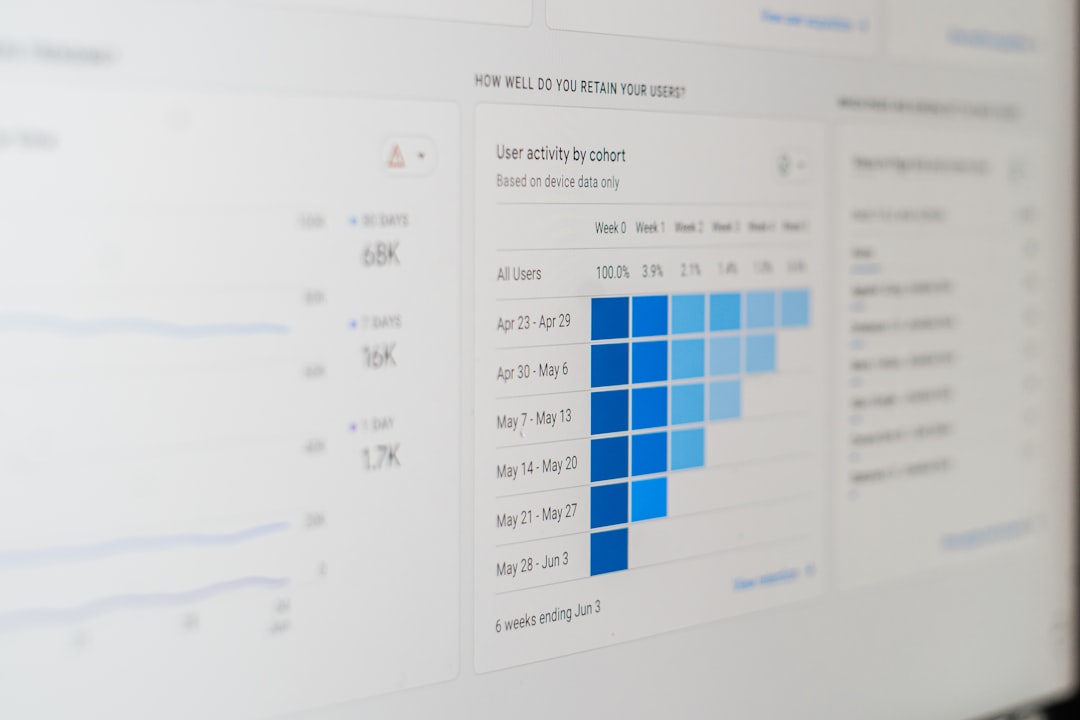
Best for: Mid-size to large enterprises with complex integration needs.
2. API-First Integration Platforms
API-first architecture prioritizes modular services connected through standardized APIs. Next‑Forge API integration platforms help teams design, publish, manage, and monitor APIs at scale.
Why it matters: APIs are the backbone of SaaS composition. A structured API management strategy ensures flexibility and interoperability.
- Centralized API gateways
- Lifecycle management tools
- Developer portals
- OAuth and security enforcement
Instead of relying solely on third-party connectors, API-first platforms empower organizations to expose their own services securely. This enables internal teams and external partners to innovate independently.
Best for: Tech-driven organizations building extensible SaaS ecosystems.
3. Low-Code and No-Code Automation Platforms
Low-code and no-code tools democratize SaaS integration by allowing non-developers to compose services visually. These platforms provide simple triggers and action-based logic to automate workflows across applications.
Why it matters: Business teams can rapidly deploy solutions without waiting for engineering resources.
- Event-based triggers (e.g., new form submission)
- App-to-app workflow creation
- Conditional logic builders
- Template automation recipes
While not as customizable as API-driven systems, they are incredibly effective for operational efficiency. Marketing, HR, finance, and support teams often rely heavily on these platforms.

Best for: SMEs and departments needing rapid automation.
4. Serverless Backend Composition
Serverless computing enables developers to compose SaaS services via event-driven functions without managing infrastructure. Functions trigger automatically based on application events, making integration both agile and scalable.
Why it matters: Serverless architecture reduces operational overhead while allowing highly customized compositions.
- Event-driven workflows
- Auto-scaling compute
- Pay-per-execution pricing
- Microservice orchestration
This approach supports sophisticated integration logic, particularly in high-growth SaaS companies needing rapid iteration and cost efficiency.
Best for: Developer-centric organizations building complex integrations.
5. Embedded Integration Platforms (Embedded iPaaS)
Embedded iPaaS is designed for SaaS companies that want to offer native integrations directly inside their own product interface. Rather than relying on customers to configure connections independently, the integration experience is built into the application itself.
Why it matters: Seamless in-app integration enhances user experience and reduces churn.
- White-label connectors
- In-product automation builders
- Multi-tenant architecture
- Usage monitoring for customers
This next‑Forge option is particularly powerful for SaaS vendors seeking to differentiate their offerings with plug-and-play ecosystems.
Best for: SaaS product teams building integration marketplaces.
6. Unified Data and Event Streaming Platforms
Data streaming and event bus platforms connect SaaS applications through real-time data pipelines. Rather than relying on point-to-point integrations, they centralize event flows into a distributed backbone.
Why it matters: Modern applications require instant synchronization, especially for analytics, personalization, and operational responsiveness.
- Real-time event streaming
- Scalable data ingestion
- Decoupled service architecture
- Advanced monitoring and fault tolerance
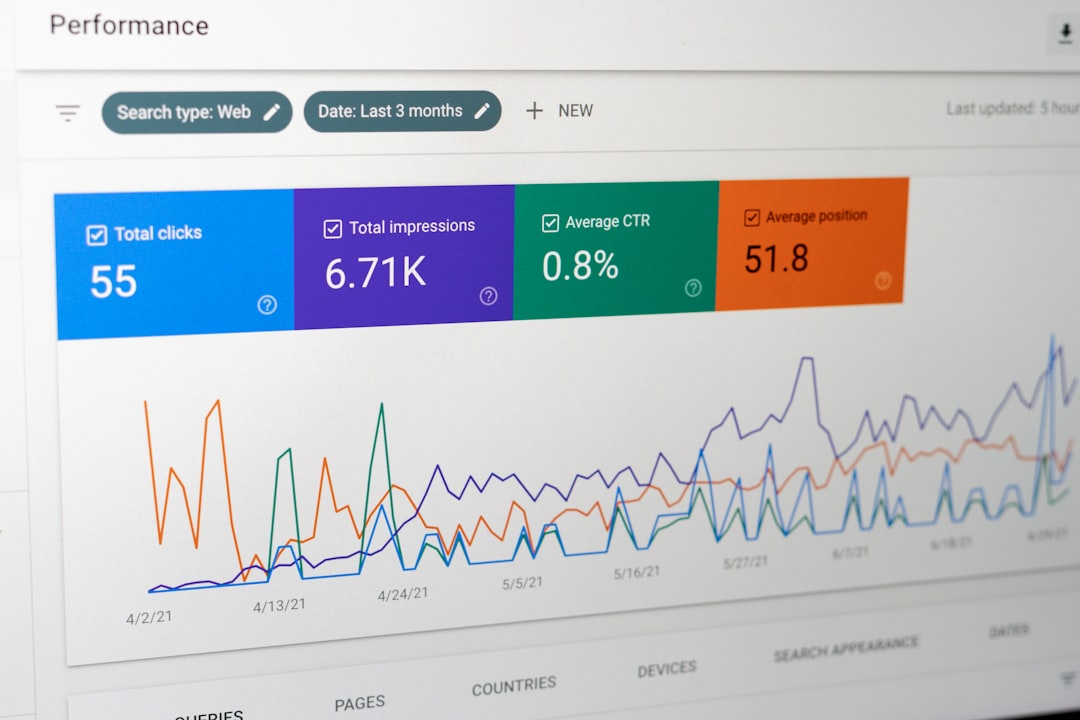
For enterprises leveraging big data and AI, event-driven integration becomes mission-critical. It ensures every application remains up-to-date without rigid dependencies.
Best for: Enterprises managing large real-time ecosystems.
Comparison Chart of Next‑Forge Integration Options
| Option | Technical Complexity | Scalability | Best For | Customization Level |
|---|---|---|---|---|
| iPaaS | Medium | High | Enterprise integrations | Moderate to High |
| API-First Platforms | High | Very High | Developer ecosystems | Very High |
| Low/No-Code Automation | Low | Moderate | Department workflows | Limited to Moderate |
| Serverless Composition | High | Very High | Custom microservices | Very High |
| Embedded iPaaS | Medium | High | SaaS product teams | High |
| Event Streaming Platforms | High | Extremely High | Real-time ecosystems | Very High |
Choosing the Right Forge Path
Selecting the optimal integration strategy depends on several factors:
- Technical expertise available
- Scale of integration needs
- Security and compliance requirements
- Need for real-time responsiveness
- Desired level of product customization
For many organizations, the answer is not a single solution but a layered combination. For example, a company might use low-code automation for departmental workflows while leveraging API management and serverless functions for product development.
The next wave of SaaS integration is less about connecting two tools and more about composing entire ecosystems dynamically. Businesses that adopt flexible integration architectures can pivot faster, introduce features sooner, and maintain consistent data integrity across platforms.
The Future of SaaS Composition
As AI-driven automation, IoT integrations, and hyper-personalized user experiences become standard expectations, SaaS service composition must evolve. Future-ready integration strategies will emphasize:
- AI-assisted workflow generation
- Self-healing integrations
- Composable enterprise architectures
- Security-first API governance
Organizations that invest in next‑Forge integration solutions today position themselves to harness tomorrow’s innovation seamlessly. In a digital landscape defined by speed and connectivity, integration is no longer a backend concern—it is a strategic advantage.
Ultimately, SaaS service composition is about turning fragmented capabilities into cohesive digital experiences. And with these six next‑generation options at your disposal, the forge is in your hands.
