
Influencer marketing has evolved from a trend into a cornerstone of modern digital strategy. Yet as audiences grow more fragmented and campaigns become increasingly data-driven, planning successful influencer collaborations has never been more complex. This is where artificial intelligence steps in. AI-powered influencer campaign planning tools help marketing teams discover the right creators, predict performance, optimize budgets, and measure ROI with unprecedented precision.
TLDR: AI-powered influencer campaign planning tools help marketing teams identify the right creators, forecast campaign performance, and optimize spending using data-driven insights. These platforms streamline influencer discovery, audience analysis, content planning, and ROI tracking. By leveraging automation and machine learning, marketers can reduce guesswork and scale campaigns more efficiently. Below, we explore six outstanding tools and compare their strengths.
In this article, we’ll examine six AI-driven platforms that are reshaping how teams plan and execute influencer campaigns, along with a side-by-side comparison chart to help you determine the best fit for your needs.
1. CreatorIQ
CreatorIQ is an enterprise-grade influencer marketing platform known for its robust AI capabilities and deep data integrations. Designed for large marketing teams and global brands, it offers sophisticated planning, discovery, and reporting tools.

Key AI Features:
- Smart Creator Discovery: Uses machine learning to analyze content, engagement patterns, and audience authenticity.
- Predictive Performance Modeling: Forecasts engagement rates and estimated ROI based on historical campaign data.
- Fraud Detection: Identifies suspicious follower growth and engagement anomalies.
- Data Integration: Connects with social APIs and CRM systems for comprehensive analysis.
Best for: Enterprise teams seeking deep analytics and scalable workflow management.
CreatorIQ excels when campaigns span multiple regions and require cross-team collaboration. Its AI-driven benchmarks allow brands to compare creators against industry standards, making strategic planning data-backed rather than intuition-based.
2. Upfluence
Upfluence blends AI-driven influencer discovery with eCommerce and affiliate marketing integrations, making it particularly valuable for Direct to Consumer brands.
Key AI Features:
- Live Database Scanning: Continuously updates influencer profiles using AI classification.
- Audience Analysis: Evaluates demographics, psychographics, and behavioral data.
- Automated Outreach: Suggests personalized messaging for influencer communication.
- Revenue Attribution Tracking: Connects campaign results to actual sales.
Best for: eCommerce brands focused on conversions and measurable impact.
Upfluence’s standout capability is linking influencer data directly with Shopify and other eCommerce platforms. AI models identify creators already engaging with your customers, helping marketing teams prioritize “warm” partnerships instead of starting from scratch.
3. HypeAuditor
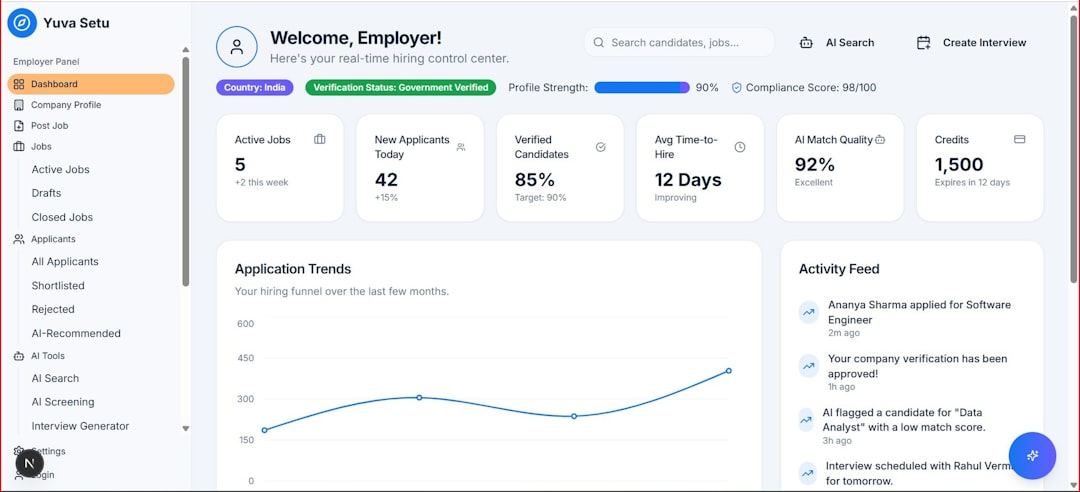
HypeAuditor is widely recognized for its AI-powered fraud detection and transparency tools. In an environment where fake followers and inflated metrics remain persistent issues, its technology offers essential safeguards.
Key AI Features:
- Audience Quality Score: Detects fake followers using pattern recognition and behavior modeling.
- Engagement Authenticity Metrics: Analyzes comment-to-like ratios and audience interaction depth.
- Market Benchmarking: Compares creators within specific niches.
- Predictive Engagement Estimates: Forecasts post performance.
Best for: Teams prioritizing data integrity and risk reduction.
HypeAuditor shines during the vetting phase. Marketing teams can filter influencers by verified authenticity metrics, ensuring budgets aren’t wasted on inflated audiences. Its AI evaluates subtle engagement signals, distinguishing real communities from automated activity.
4. Aspire
Aspire emphasizes relationship management and workflow automation powered by AI. It streamlines campaign planning from influencer discovery to performance tracking in a single environment.
Key AI Features:
- Smart Matching: Recommends influencers aligned with campaign objectives.
- Automated Workflow Tools: Contracts, payments, and product seeding organized in one dashboard.
- Content Performance Insights: Evaluates which creative elements drive results.
- Lookalike Creator Identification: Finds similar influencers based on past success data.
Best for: Growing brands seeking scalable influencer operations.
Aspire’s AI features shorten the gap between discovery and execution. Instead of managing influencer spreadsheets and email threads manually, teams gain streamlined task automation, freeing more time for creative brainstorming and strategy refinement.
5. Traackr
Traackr is known for its strong strategic planning capabilities, especially for global and multi-market campaigns. Its AI engine helps teams prioritize investment decisions.
Key AI Features:
- Influence Scoring: Quantifies influencer relevance, reach, resonance, and brand affinity.
- Budget Optimization Tools: Recommends allocation based on predicted performance.
- Cross-Market Analytics: Compares influencer effectiveness between regions.
- Trend Identification: Uses AI to identify emerging creators before they become mainstream.
Best for: Brands running large, international influencer programs.
Traackr goes beyond campaign-level metrics, helping teams build long-term influencer portfolios. By analyzing historical data at scale, it guides strategic investments rather than one-off collaborations.
6. Influencity
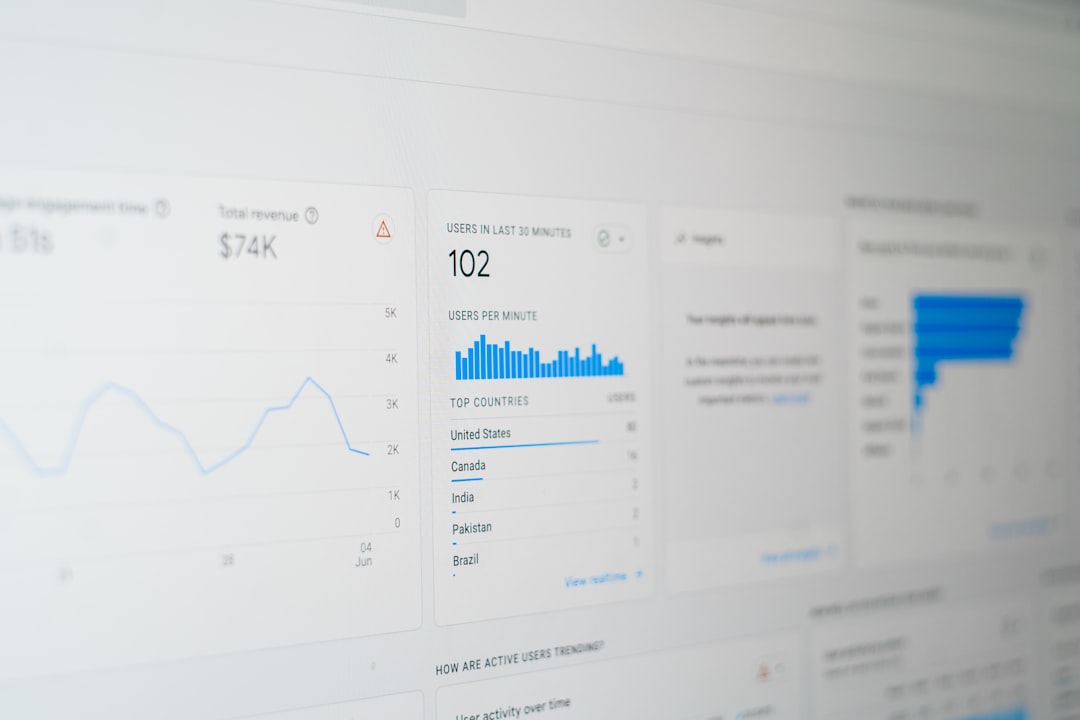
Influencity offers a flexible and highly customizable AI-driven solution for influencer campaign planning. Its modular structure appeals to teams that want precise control over data filtering and segmentation.
Key AI Features:
- Advanced Filtering: Over 20 criteria including audience interests and engagement quality.
- Campaign Simulation: Estimates campaign reach and impressions before launch.
- Bulk Influencer Analysis: Compare large creator lists instantly.
- Comprehensive Reporting: Data exports and shareable dashboards.
Best for: Data-focused marketing teams wanting full customization.
Influencity’s simulation tool is particularly valuable during budget planning. Before a single contract is signed, marketing managers can model various combinations of creators to maximize projected impact.
Comparison Chart
| Tool | Best For | AI Strength | Fraud Detection | Budget Optimization | eCommerce Integration |
|---|---|---|---|---|---|
| CreatorIQ | Enterprise teams | Predictive modeling | Yes | Advanced | Limited |
| Upfluence | eCommerce brands | Audience analysis | Moderate | Moderate | Strong |
| HypeAuditor | Fraud prevention | Audience quality scoring | Excellent | Basic | Limited |
| Aspire | Scaling programs | Smart matching | Moderate | Moderate | Moderate |
| Traackr | Global brands | Influence scoring | Yes | Strong | Limited |
| Influencity | Data-driven teams | Campaign simulation | Strong | Strong | Limited |
How to Choose the Right AI Influencer Tool
When selecting a platform, marketing teams should consider:
- Company Size: Enterprise-level brands often require deeper integrations and multi-user workflows.
- Primary Goal: Brand awareness, conversions, or global expansion each demand different analytics priorities.
- Data Transparency: Fraud detection capabilities are essential in high-budget campaigns.
- Integration Needs: CRM, eCommerce, or affiliate marketing connections can significantly enhance performance tracking.
The best solution is rarely the one with the most features, but the one that aligns most closely with your strategic objectives.
The Future of AI in Influencer Campaign Planning
AI is rapidly moving beyond performance tracking and into creative strategy. Emerging tools now analyze content themes, emotional tone, and even visual aesthetics to predict how audiences may react. As machine learning models become more advanced, influencer campaign planning will increasingly resemble financial forecasting: data-driven, predictive, and optimized in real time.
For marketing teams, this shift represents both a challenge and an opportunity. The brands that invest in intelligent planning tools today will likely gain a significant competitive advantage tomorrow.
In a digital landscape shaped by algorithms, leveraging AI isn’t optional—it’s essential for building smarter, more impactful influencer campaigns.
