
Cloud analytics used to feel simple. Pick a tool. Plug in data. Build dashboards. Done.
But then Chartio shut down. And many companies had to rethink everything. They needed new platforms. New dashboards. New workflows. Fast.
If you are in that same boat, don’t worry. There are many great options out there. Some are powerful. Some are beginner-friendly. Some do both.
TL;DR: Chartio users now have many strong cloud analytics alternatives. Popular options include Looker, Tableau Cloud, Power BI, Mode Analytics, and Sigma Computing. Each tool offers different strengths, from deep data modeling to simple drag-and-drop dashboards. The best choice depends on your team size, skills, and data complexity.
Let’s explore five platforms companies often choose instead of Chartio. We’ll keep it simple. And maybe even fun.
1. Looker (Now part of Google Cloud)
Looker is often the first name that comes up. And for good reason.
It is powerful. Very powerful. But also structured.
Instead of building dashboards directly on raw data, Looker uses something called LookML. It’s a modeling layer. This means your data team defines metrics once. Then everyone uses the same definitions.

Why companies like it:
- Strong governance and data consistency
- Great for growing teams
- Works beautifully with Google BigQuery
- Scales well for enterprise needs
What to keep in mind:
- Requires technical setup
- LookML has a learning curve
- Can be pricey
If your company cares deeply about data accuracy and shared definitions, Looker is a strong choice.
It’s not the easiest tool at first. But it becomes very powerful over time.
2. Tableau Cloud
Tableau is a classic in business intelligence.
If data visualization had a beauty contest, Tableau would win often.
The cloud version makes it easier to manage. No heavy infrastructure needed.
Why companies like it:
- Stunning visualizations
- Huge community and training resources
- Drag-and-drop simplicity
- Supports many data sources
What to keep in mind:
- Can get expensive with many users
- Complex dashboards require expertise
- Performance may need careful tuning
Tableau is great for teams that want visual impact. Sales dashboards. Executive reports. Marketing insights.
It feels creative. Almost like designing with data.
[p>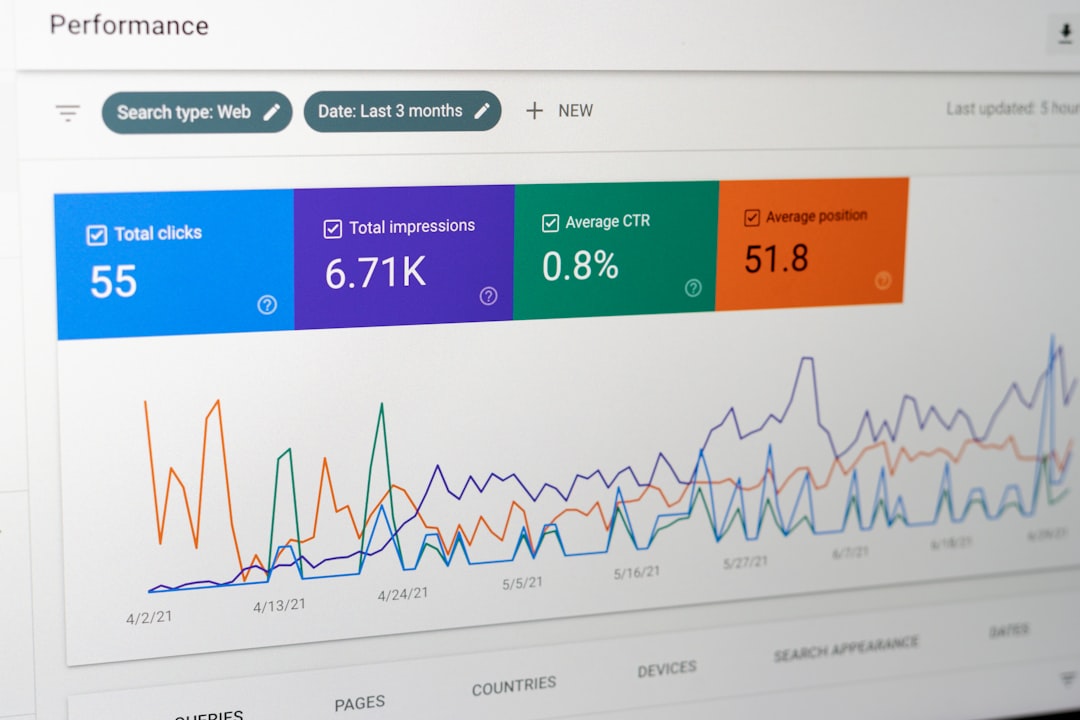
If your team loves exploring data visually, Tableau Cloud is a strong Chartio alternative.
3. Microsoft Power BI
Power BI is the budget-friendly powerhouse.
It integrates perfectly with Microsoft tools. Excel. Azure. Teams. SharePoint.
For many companies, this makes adoption easy.
Why companies like it:
- Affordable pricing
- Strong integration with Microsoft ecosystem
- Large user community
- Good balance of simplicity and depth
What to keep in mind:
- Desktop-first development style
- Complex models need DAX knowledge
- Advanced collaboration may require premium plans
Power BI works well for mid-sized businesses. Especially those already using Microsoft tools.
It often feels familiar. Which reduces adoption friction.
4. Mode Analytics
Mode is interesting. It blends analytics and data science.
It is loved by analysts.
You can write SQL. You can use Python. You can use R. Then turn results into dashboards.

Why companies like it:
- Strong SQL editor
- Built-in notebooks for advanced analysis
- Collaboration features for data teams
- Flexible workflow
What to keep in mind:
- Less beginner-friendly
- Heavier focus on technical users
- Not as drag-and-drop as Tableau
Mode is perfect for data-driven companies. Startups love it. Tech teams love it even more.
If Chartio felt too limiting, Mode might feel freeing.
5. Sigma Computing
Sigma is one of the newer stars in cloud BI.
It looks like a spreadsheet. But acts like a powerful analytics engine.
Everything happens directly in the cloud data warehouse. No extracts. No heavy refreshes.
Why companies like it:
- Spreadsheet-style interface
- Live queries to cloud warehouses
- Business-user friendly
- Strong collaboration tools
What to keep in mind:
- Best for companies already in the cloud
- Still growing compared to older tools
- May require warehouse optimization
Sigma works beautifully with Snowflake, BigQuery, and Redshift.
If your company is cloud-first, Sigma feels modern and smooth.
Quick Comparison Chart
| Platform | Best For | Ease of Use | Technical Depth | Pricing Level |
|---|---|---|---|---|
| Looker | Enterprise data governance | Medium | High | High |
| Tableau Cloud | Visual storytelling | Medium-High | Medium | High |
| Power BI | Microsoft-driven teams | High | Medium | Low-Medium |
| Mode | Data analysts and scientists | Medium-Low | High | Medium |
| Sigma | Cloud warehouse users | High | Medium | Medium |
How to Choose the Right One
Picking a BI tool is not just about features.
It’s about your team.
Ask yourself:
- Do we have dedicated data engineers?
- Are business users building reports?
- How complex is our data?
- What is our budget?
- Which cloud warehouse do we use?
If your team is highly technical, tools like Looker or Mode shine.
If your team wants simplicity, Power BI or Sigma might work better.
If beautiful visuals matter most, Tableau is hard to beat.
Cloud-Native Is the Big Theme
One big pattern stands out.
Modern analytics is cloud-first.
Most alternatives to Chartio now connect directly to:
- Snowflake
- Google BigQuery
- Amazon Redshift
- Azure Synapse
This means faster queries. Real-time dashboards. Fewer bottlenecks.
But it also means your data warehouse matters more than ever.
Your BI tool is only as good as your data foundation.
Migration Tips from Chartio
Switching platforms can feel scary.
But it doesn’t have to be chaotic.
Here are simple steps:
- Audit your dashboards. Decide what to keep.
- Clean your data models. Remove unused metrics.
- Prioritize critical reports. Migrate those first.
- Train your team early. Avoid confusion later.
- Test performance before full rollout.
Don’t try to rebuild everything at once.
Focus on impact. Not volume.
Final Thoughts
Chartio’s shutdown forced many companies to rethink their analytics stack.
But sometimes change is good.
The cloud BI space is stronger than ever. More modern. More collaborative. More powerful.
Looker brings structure. Tableau brings beauty. Power BI brings affordability. Mode brings analytical depth. Sigma brings cloud simplicity.
There is no one-size-fits-all answer.
But there is a perfect fit for your team.
Choose the tool that matches your skills. Your goals. And your future growth.
Because great data is not just about charts.
It’s about clarity. Confidence. And smarter decisions.
