
Modern software systems are more distributed, cloud-native, and complex than ever before. As architectures evolve toward microservices, event-driven models, and serverless functions, engineering teams need powerful tracing and monitoring tools to maintain reliability and performance. While Tempo by Grafana Labs is a popular choice for distributed tracing, it is far from the only option. Many organizations evaluate alternatives based on scalability, pricing models, ecosystem compatibility, and observability depth.
TLDR: Companies looking beyond Tempo for tracing and monitoring often explore tools like Jaeger, Zipkin, Datadog, New Relic, Dynatrace, Honeycomb, and Elastic APM. Each platform offers different strengths in distributed tracing, real-time monitoring, analytics, and infrastructure visibility. The right choice depends on factors such as system complexity, budget, and integration requirements. This guide compares leading alternatives and highlights what makes each one stand out.
To understand why companies consider alternatives, it’s essential to recognize the core goals of tracing and monitoring: visibility, speed of diagnosis, and proactive performance management. Organizations are not simply collecting telemetry data—they are building observability strategies that reduce downtime, improve user experience, and enable faster deployments.
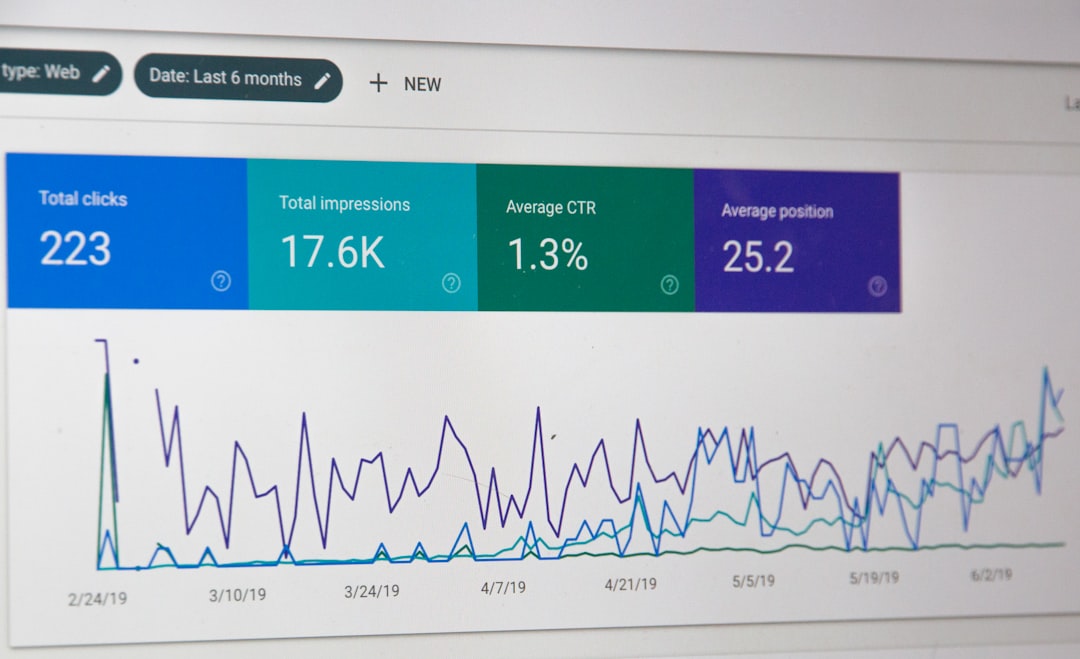
Why Companies Look Beyond Tempo
Tempo is valued for its cost-efficient trace storage and tight integration with Grafana. However, some companies explore alternatives due to:
- Desire for full-stack observability in a single platform
- Simplified setup and maintenance
- Richer analytics and querying capabilities
- AI-driven insights and automation
- Compliance and enterprise support needs
Depending on business priorities, certain platforms may align better with long-term monitoring and tracing strategies.
1. Jaeger
Jaeger, originally developed by Uber, is one of the most widely adopted open-source distributed tracing systems. It is now a Cloud Native Computing Foundation (CNCF) project.
Key strengths:
- Deep Kubernetes integration
- OpenTelemetry compatibility
- Highly scalable architecture
- Strong community support
Jaeger is particularly attractive for organizations already invested in cloud-native tooling. Because it is open source, teams have flexibility and control—but they also take on operational overhead.
Best for: Companies comfortable managing infrastructure who want a flexible tracing backend.
2. Zipkin
Zipkin is another open-source distributed tracing system, originally developed at Twitter. It helps collect timing data to troubleshoot latency issues in microservices architectures.
Highlights include:
- Lightweight and easy to deploy
- Broad language support
- Simple UI for trace visualization
Zipkin is often chosen by teams seeking simplicity without enterprise-level complexity. However, compared to some modern platforms, it may lack advanced analytics and automation features.
Best for: Smaller teams or legacy systems needing foundational tracing capabilities.
3. Datadog APM
Datadog APM is a fully managed observability platform that provides tracing, infrastructure monitoring, logs, security monitoring, and real user monitoring in a unified system.
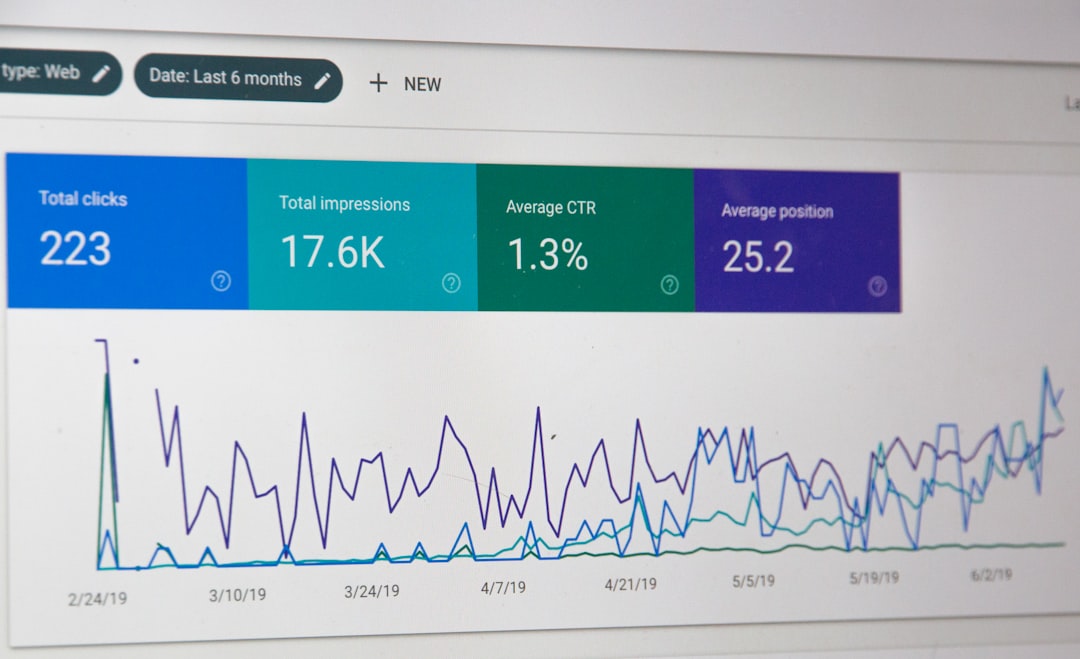
Why companies choose Datadog:
- End-to-end visibility across services and infrastructure
- AI-driven anomaly detection
- Seamless cloud provider integrations
- Minimal maintenance overhead
Datadog’s strength lies in its comprehensive dashboarding and analytics capabilities. Unlike Tempo, which focuses specifically on tracing backend storage, Datadog provides a full-stack monitoring solution.
Consideration: Costs can increase significantly at scale.
4. New Relic
New Relic offers an observability platform that consolidates metrics, events, logs, and traces.
Key features:
- Unified telemetry database
- Powerful query language (NRQL)
- Real user and synthetic monitoring
- Flexible pricing tiers
Teams considering alternatives to Tempo often prefer New Relic because it reduces the need for multiple tools. Its querying capabilities allow deep performance analysis without stitching together several data sources.
Best for: Organizations wanting customizable dashboards and advanced analytics.
5. Dynatrace
Dynatrace positions itself as an AI-powered observability and security platform. It automatically maps dependencies within complex environments.
What makes Dynatrace stand out:
- Automatic instrumentation
- Topology discovery and service mapping
- Root cause analysis powered by AI
- Enterprise-grade scalability
For enterprises managing hybrid and multi-cloud infrastructure, Dynatrace offers automation capabilities beyond traditional trace storage systems.
Best for: Large enterprises with complex, high-scale environments.
6. Honeycomb
Honeycomb focuses on high-cardinality data analysis and debugging production systems in real time.
Core strengths:
- Event-driven observability model
- Designed for modern distributed systems
- Fast, exploratory querying
- Built-in OpenTelemetry support
Unlike platforms that emphasize metrics dashboards, Honeycomb encourages exploratory debugging workflows. Engineers can slice and dice data dynamically to identify anomalies.
Best for: Engineering-led teams practicing continuous deployment and DevOps experimentation.
7. Elastic APM
Elastic APM, part of the Elastic Stack, integrates tracing with search and analytics capabilities.
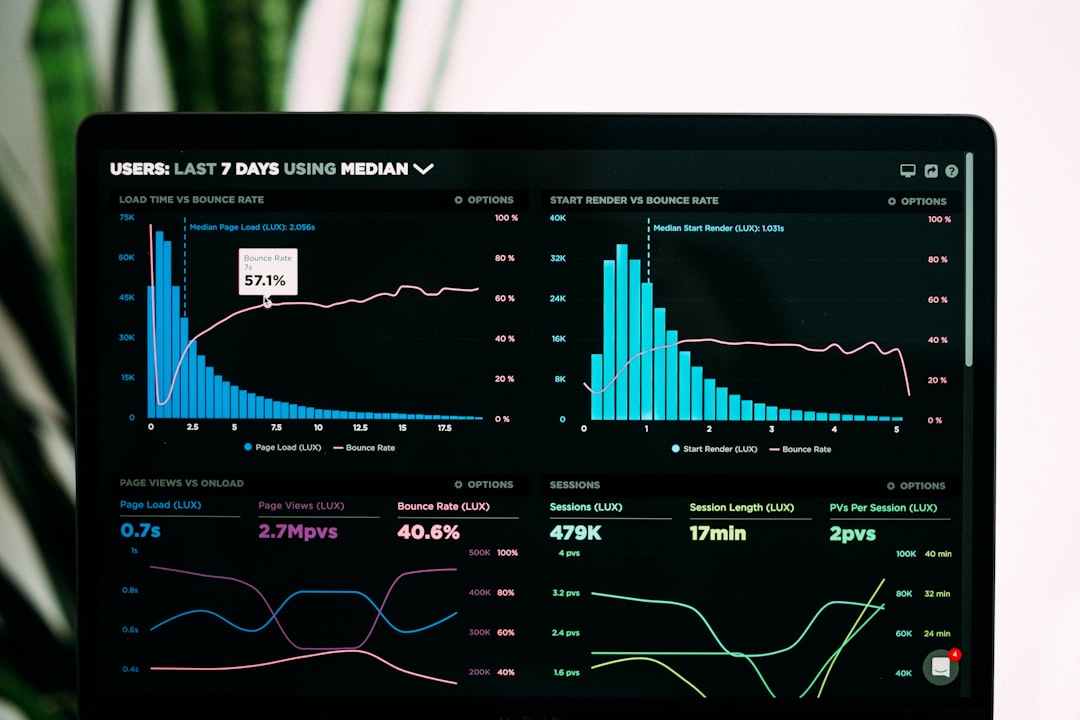
Advantages include:
- Native integration with Elasticsearch and Kibana
- Centralized logging and tracing
- On-prem and cloud flexibility
Companies already using Elasticsearch often choose Elastic APM for continuity and cost efficiency. The unified ecosystem simplifies correlation between logs and traces.
Best for: Organizations leveraging the Elastic Stack.
Comparison Chart
| Tool | Deployment Model | Best For | Strength | Consideration |
|---|---|---|---|---|
| Jaeger | Open source, self-hosted | Cloud-native teams | Flexibility and CNCF backing | Operational overhead |
| Zipkin | Open source | Small projects | Simplicity | Limited advanced features |
| Datadog | SaaS | Full-stack monitoring | All-in-one observability | Scaling costs |
| New Relic | SaaS | Custom dashboards | Powerful querying | Learning curve |
| Dynatrace | SaaS / Managed | Large enterprises | AI automation | Premium pricing |
| Honeycomb | SaaS | Modern DevOps teams | High-cardinality insights | Different workflow model |
| Elastic APM | Self-hosted / Cloud | Elastic users | Log-trace correlation | Requires stack management |
How to Choose the Right Alternative
Choosing a tracing and monitoring platform is not about selecting the most popular tool—it’s about aligning with organizational needs. Consider the following factors:
- System complexity: Are you running simple microservices or multi-cloud enterprise systems?
- Budget constraints: SaaS platforms reduce maintenance but may increase operational expenses.
- Team expertise: Do you have in-house DevOps resources for open-source management?
- Integration needs: Does the tool support your CI/CD, Kubernetes, or cloud provider ecosystem?
- Scalability requirements: Will the solution grow with traffic spikes and product expansion?
Companies often run proof-of-concept implementations before committing. Observability tooling impacts development workflows, incident response times, and even company culture—so the evaluation process should be deliberate.
The Shift Toward Unified Observability
One noticeable trend among organizations considering alternatives to Tempo is the shift from standalone tracing tools to unified observability platforms. Rather than maintaining separate systems for logs, metrics, and traces, companies increasingly prefer consolidated solutions.
This convergence delivers:
- Faster correlation across data types
- Simplified vendor management
- Reduced cognitive load for engineering teams
- Improved root cause analysis efficiency
However, unified platforms may sacrifice some customization depth available in specialized open-source tools. The trade-off depends on operational maturity and growth plans.
Final Thoughts
Tempo remains a valuable tracing backend, particularly for teams deeply invested in Grafana ecosystems. Yet the landscape of tracing and monitoring tools is rich with powerful alternatives. From open-source flexibility in Jaeger and Zipkin to enterprise-grade intelligence in Dynatrace and Datadog, each platform fulfills different operational philosophies.
Ultimately, the best choice hinges on aligning observability strategy with business goals. Whether prioritizing cost efficiency, automation, analytical depth, or full-stack monitoring, organizations have more options than ever before to achieve reliable, high-performance systems.
In the evolving world of distributed architectures, the question is not whether you need tracing and monitoring—it’s how intelligently you implement them.
