
Modern IT environments generate an overwhelming amount of data every second. From application logs and server metrics to network events and user activity, today’s infrastructure produces a constant stream of signals that teams must monitor to ensure performance, security, and reliability. While Datadog is a popular choice for observability, it’s not the only option. Many organizations seek alternatives due to pricing, feature complexity, customization needs, or deployment preferences.
TLDR: If you’re looking for Datadog alternatives, several powerful log monitoring tools can help you track system performance effectively. Tools like Splunk, ELK Stack, New Relic, Loggly, Graylog, and others provide flexible visibility into logs, metrics, and infrastructure health. The best choice depends on your team size, deployment model, budget, and observability goals. This guide compares leading options and explains how each supports better system performance monitoring.
Why Consider Datadog Alternatives?
Datadog offers comprehensive monitoring, but it’s not always the perfect fit. Organizations often explore alternatives for the following reasons:
- Cost scaling: As data volume grows, so can pricing.
- Customization: Some teams prefer open-source flexibility.
- On-premise requirements: Not all tools offer full self-hosted options.
- Simplified feature sets: Smaller teams may not need enterprise complexity.
- Data ownership and compliance: Regulatory demands may require tighter control.
Choosing the right log monitoring solution isn’t just about replacing a tool; it’s about improving how your team tracks system performance, diagnoses issues, and prevents downtime.
What to Look for in Log Monitoring Tools
Before diving into specific alternatives, it’s important to understand what makes a strong performance monitoring platform. Key features include:
- Real-time log ingestion and visualization
- Advanced search and filtering
- Alerting and anomaly detection
- Integration with cloud services and DevOps pipelines
- Scalability for growing infrastructure
- Security and compliance support
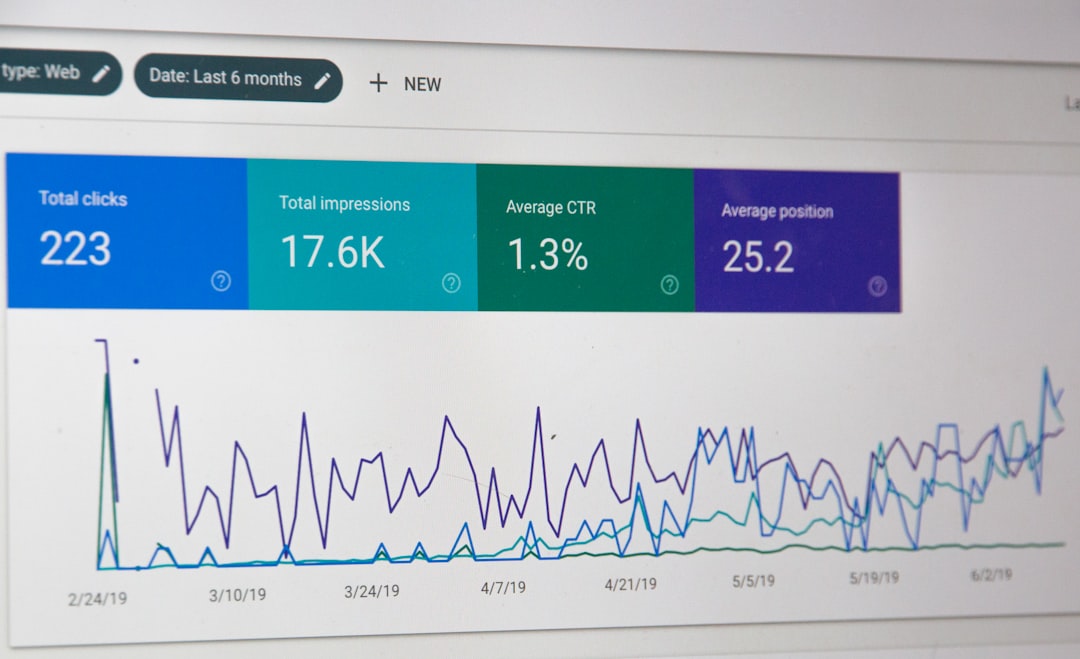
High-quality log monitoring tools transform raw machine data into meaningful insights. Instead of scrolling through endless text logs, teams can view dashboards, identify trends, and respond proactively to performance degradation.
Top Datadog Alternatives for Log Monitoring
1. Splunk
Splunk is one of the most well-established platforms in log management and observability. It supports large-scale environments and provides extensive analytics capabilities.
Key strengths:
- Powerful search and indexing engine
- Advanced analytics and machine learning features
- Robust security monitoring add-ons
- Cloud and on-premise deployment options
Splunk is particularly strong for enterprises that require deep analytics and security integration. However, it can be expensive at scale.
2. ELK Stack (Elasticsearch, Logstash, Kibana)
The ELK Stack is a popular open-source solution. Elasticsearch handles search and indexing, Logstash manages data processing, and Kibana provides visualization.
Key strengths:
- Open-source flexibility
- Highly customizable dashboards
- Strong community support
- No license cost for core components
ELK is ideal for organizations that want maximum control and have in-house expertise to manage infrastructure. However, it requires technical knowledge for setup and scaling.
Image not found in postmeta3. New Relic
New Relic offers comprehensive observability that includes logs, infrastructure monitoring, and application performance monitoring (APM).
Key strengths:
- Unified observability platform
- User-friendly dashboards
- Strong integration ecosystem
- Flexible pricing tiers
New Relic suits teams looking for a more streamlined, integrated solution with a modern interface and built-in performance tracing.
4. Graylog
Graylog is an open-source log management platform with enterprise upgrade options.
Key strengths:
- Centralized log collection
- Efficient search functionality
- Role-based access controls
- Scalable architecture
Graylog provides a simpler alternative to ELK while still maintaining significant flexibility. It’s especially appealing to organizations wanting a balance between open-source and enterprise features.
5. Loggly
Loggly, a cloud-based log management solution, is designed for simplicity and rapid deployment.
Key strengths:
- Easy setup
- Cloud-native architecture
- Cost-effective plans
- Integration with common DevOps tools
Smaller teams and startups often prefer Loggly because it avoids heavy infrastructure management.
6. Dynatrace
Dynatrace combines AI-driven monitoring with deep observability features.
Key strengths:
- Automated root cause analysis
- AI-driven anomaly detection
- Cloud and hybrid environment support
- Strong enterprise capabilities
Dynatrace stands out for its automation and intelligent insights, reducing manual effort in performance troubleshooting.
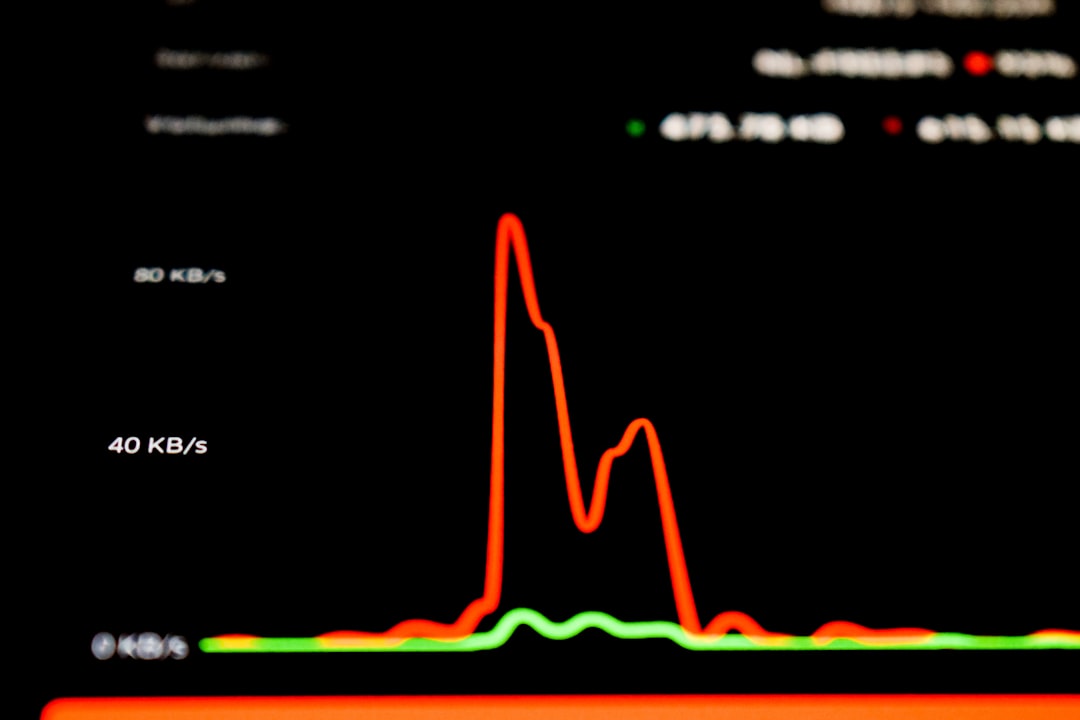
Comparison Chart
| Tool | Deployment | Best For | Open Source | Scalability | Pricing Model |
|---|---|---|---|---|---|
| Splunk | Cloud & On-premise | Enterprise analytics & security | No | Very High | Data volume-based |
| ELK Stack | Self-hosted & Cloud | Customizable environments | Yes (core) | High | Free core + paid features |
| New Relic | Cloud | Unified observability | No | High | Usage-based |
| Graylog | Self-hosted & Cloud | Mid-sized teams | Yes (core) | High | Free + enterprise tier |
| Loggly | Cloud | Small teams & startups | No | Moderate | Tiered subscription |
| Dynatrace | Cloud & Hybrid | AI-driven enterprises | No | Very High | Host-based pricing |
How Log Monitoring Improves System Performance
Log monitoring tools are not just reactive solutions; they are proactive performance safeguards. Here’s how they help improve system health:
- Early anomaly detection: Identify unusual behavior before it escalates.
- Faster troubleshooting: Search logs instantly instead of manual inspection.
- Resource optimization: Track CPU, memory, and storage usage.
- Security monitoring: Detect suspicious login attempts and vulnerabilities.
- Improved uptime: Set automatic alerts for performance degradation.
By correlating metrics with logs, teams can identify trends such as memory leaks, application bottlenecks, or misconfigured services. This leads to fewer outages and better overall performance.
Choosing the Right Alternative
Selecting a Datadog alternative depends heavily on your operational priorities:
If you prioritize flexibility: ELK Stack or Graylog may be ideal.
If you want enterprise-scale analytics: Splunk or Dynatrace could fit best.
If ease of use matters most: New Relic or Loggly may be more appealing.
If compliance and internal hosting are required: Consider self-managed solutions.
It’s also important to evaluate:
- Expected log volume over the next 2–3 years
- Team expertise in DevOps and infrastructure management
- Budget constraints
- Integration requirements with cloud providers and CI CD pipelines
Running proof-of-concept deployments with shortlisted tools is often the best way to determine which solution aligns with your monitoring goals.
Cloud vs Self-Hosted Considerations
Cloud-based log monitoring tools eliminate infrastructure overhead and often provide automatic scaling. They are ideal for fast-growing startups and distributed teams.
Self-hosted platforms, on the other hand, offer:
- Greater data control
- Enhanced customization
- Potential long-term cost savings
The right decision depends on regulatory requirements, internal expertise, and long-term scaling plans.
Final Thoughts
The observability landscape is rich with powerful alternatives to Datadog. Whether you choose an enterprise-grade analytics engine like Splunk, an open-source powerhouse like ELK, or an AI-driven platform like Dynatrace, the ultimate goal remains the same: maintaining optimal system performance.
Effective log monitoring isn’t just about collecting data. It’s about transforming that data into actionable intelligence. By selecting the tool that aligns with your technical environment, team skills, and strategic goals, you can build a resilient monitoring ecosystem that empowers faster decisions, stronger security, and improved reliability.
In a world where downtime translates directly to lost revenue and damaged trust, investing in the right log monitoring solution is no longer optional. It’s a foundational part of modern infrastructure management.
