Modern medical imaging generates massive volumes of complex data, and healthcare professionals depend on reliable software to review, interpret, and manage these images efficiently. Radiology PACS software such as RadiAnt has become an essential part of diagnostic workflows, enabling clinicians to view and analyze scans with speed, precision, and confidence. From small private practices to large hospital networks, these tools streamline access to imaging studies and support accurate decision-making across specialties.
TLDR: Radiology PACS software like RadiAnt allows clinicians to securely view, manage, and analyze medical imaging such as CT, MRI, and X-ray scans. It enhances diagnostic accuracy through advanced visualization tools, measurement features, and workflow integration. Designed for speed and usability, these systems support both independent practices and large healthcare institutions. Reliable PACS platforms are critical for efficient, data-driven patient care.
What Is Radiology PACS Software?
PACS stands for Picture Archiving and Communication System. It is a medical imaging technology designed to store, retrieve, distribute, and present diagnostic images electronically. Instead of relying on physical film or fragmented storage solutions, healthcare providers use PACS platforms to manage digital images from modalities such as:
- Computed Tomography (CT)
- Magnetic Resonance Imaging (MRI)
- X-ray
- Ultrasound
- Positron Emission Tomography (PET)
Software like RadiAnt functions primarily as a DICOM viewer, meaning it supports the Digital Imaging and Communications in Medicine (DICOM) standard. DICOM ensures that imaging files contain not only the image itself but also structured information about the patient, modality, and acquisition parameters. A robust PACS viewer allows clinicians to access these images quickly while maintaining compliance with medical data standards.
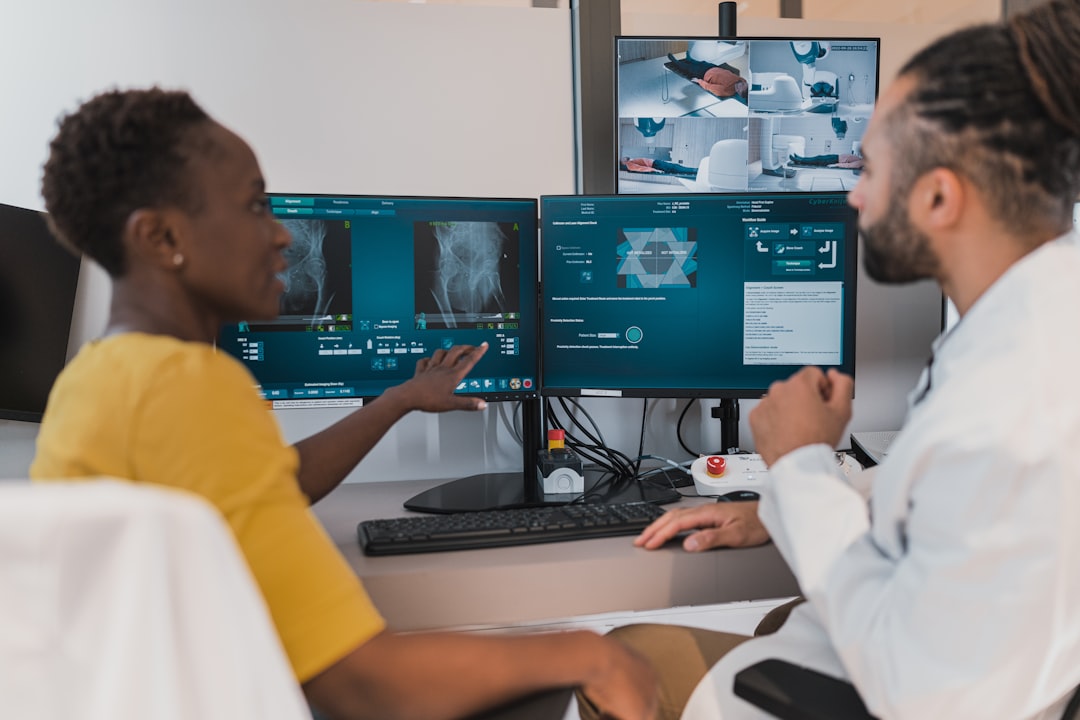
Core Features That Support Accurate Diagnosis
The clinical value of PACS software lies in its ability to transform raw imaging data into actionable insights. High-quality platforms provide tools specifically designed for diagnostic analysis.
1. Advanced Visualization
Radiology software like RadiAnt offers high-performance rendering engines that allow smooth scrolling through image slices and rapid loading of large datasets. For CT and MRI studies containing hundreds or thousands of slices, this performance is not simply convenient—it is essential.
Common visualization capabilities include:
- Multiplanar reconstruction (MPR)
- 3D volume rendering
- Maximum intensity projection (MIP)
- Window leveling and preset adjustments
These tools give radiologists the ability to evaluate anatomical structures from multiple angles, improving their ability to detect subtle abnormalities.
2. Measurement and Annotation Tools
Precise measurements are fundamental in medical imaging. PACS viewers provide built-in tools to measure:
- Lesion size and volume
- Distance between anatomical landmarks
- Angle measurements
- Region of interest density (HU in CT scans)
Annotations can be added directly to images, allowing physicians to document findings clearly. This becomes particularly valuable when collaborating with referring clinicians or preparing reports.
3. Comparison Across Studies
Longitudinal comparison is crucial in oncology, orthopedics, and chronic disease management. PACS systems enable side-by-side comparison of current and prior studies. Automatic synchronization tools align anatomical regions between studies, making it easier to detect progression, regression, or stability in disease.
Workflow Efficiency and Time Optimization
Radiologists often interpret dozens or even hundreds of studies per day. Speed and usability directly influence productivity and diagnostic turnaround times. Reliable PACS software focuses on:
- Fast image loading
- Intuitive keyboard shortcuts
- Customizable hanging protocols
- Seamless integration with reporting systems
Hanging protocols automatically arrange images on multiple monitors according to modality and exam type. For example, a chest CT may display axial, coronal, and sagittal views simultaneously, eliminating the need for manual setup.
Image not found in postmetaEfficiency does not only benefit radiologists. Faster interpretation leads to:
- Reduced patient waiting times
- More timely treatment decisions
- Improved emergency department workflows
- Better coordination between departments
In critical care scenarios, such as stroke or trauma cases, minutes can significantly affect patient outcomes.
Data Security and Compliance
Medical imaging data contains sensitive patient information. PACS software must therefore prioritize security, encryption, and regulatory compliance. Healthcare institutions typically require solutions that align with national and international standards for data protection.
Important security features include:
- User authentication and role-based access control
- Secure communication protocols
- Audit trails for activity tracking
- Integration with hospital identity management systems
Even standalone DICOM viewers used in smaller clinics must ensure proper handling of patient data to prevent unauthorized access or breaches. Trustworthy software minimizes risk while maintaining ease of use.
Integration with Hospital Systems
Modern healthcare environments rely on interconnected systems. PACS platforms are rarely isolated applications; instead, they integrate with:
- Radiology Information Systems (RIS)
- Hospital Information Systems (HIS)
- Electronic Health Records (EHR)
- Cloud-based storage infrastructure
Integration ensures that images, patient demographics, and reports are synchronized. When a physician opens a patient record in the EHR, imaging results can be accessed seamlessly without switching platforms. This interoperability reduces duplication, prevents data inconsistencies, and enhances continuity of care.
Benefits for Different Medical Settings
Radiology PACS software like RadiAnt can serve diverse clinical environments.
Private Practices
Smaller clinics benefit from lightweight yet powerful DICOM viewers that are easy to install and maintain. For independent radiologists, performance and affordability are key considerations. Compact solutions allow them to review studies efficiently without maintaining complex IT infrastructure.
Hospitals and Large Institutions
In larger settings, PACS becomes a core enterprise system. Multi-user access, centralized storage, and redundancy measures are essential. These environments demand:
- High scalability
- High availability and backup systems
- Multi-location access
- Vendor support and ongoing updates
Teleradiology Services
Remote interpretation is increasingly common. Radiologists may review scans from home or across geographic borders. Efficient DICOM viewers facilitate secure remote access, enabling specialists to provide timely reads without being physically present at the imaging facility.
User Experience and Training Considerations
Even highly advanced software must remain user-friendly. Radiologists work under significant cognitive demand, so intuitive design reduces fatigue and potential errors. Key usability elements include:
- Clear menu structures
- Customizable interface layouts
- Responsive navigation
- Minimal learning curve
Many PACS systems offer training materials and documentation to support onboarding. For institutions, structured training reduces resistance to adoption and ensures consistent usage standards across teams.
Performance and Technical Reliability
Large imaging studies can consume gigabytes of storage. Software performance must remain stable under heavy data loads. Lag, crashes, or corruption of imaging data are unacceptable in clinical environments.
Reliable PACS solutions emphasize:
- Optimized image caching
- Efficient memory usage
- Compatibility with modern hardware
- Regular updates and bug fixes
Technical reliability translates directly into clinical reliability. When systems function predictably, physicians can focus on patient care rather than troubleshooting software issues.
The Growing Role of Advanced Technologies
Radiology software continues to evolve. Many modern PACS ecosystems are incorporating:
- Artificial intelligence for automated detection support
- Workflow prioritization algorithms
- Structured reporting tools
- Cloud-based storage and collaboration
While AI does not replace the expertise of trained radiologists, it can flag potential abnormalities and streamline case triage. Combined with high-performance visualization tools, these enhancements strengthen diagnostic confidence and consistency.
Why Trustworthy Software Matters
Radiology is a discipline where precision directly impacts patient outcomes. A missed lesion or delayed diagnosis can have serious consequences. Therefore, the software used to view and analyze scans must meet rigorous standards of performance, security, and reliability.
Trusted PACS software demonstrates:
- Stable operation in real-world conditions
- Accurate rendering without image distortion
- Compliance with medical imaging standards
- Proven adoption in clinical environments
Clinicians require tools they can rely on without hesitation. Confidence in the viewing platform reduces distractions and supports better clinical judgment.
Conclusion
Radiology PACS software like RadiAnt plays a central role in modern diagnostic medicine. By enabling rapid access to DICOM images, providing advanced visualization and measurement tools, and integrating seamlessly into healthcare systems, these platforms enhance both efficiency and diagnostic accuracy. Whether deployed in private practices, large hospitals, or remote reading environments, dependable PACS solutions ensure that imaging data translates into informed clinical decisions.
As medical imaging continues to expand in volume and complexity, the importance of secure, high-performance, and user-friendly PACS software will only grow. Healthcare providers who invest in reliable imaging technology are better positioned to deliver timely, data-driven care that meets the highest standards of modern medicine.
