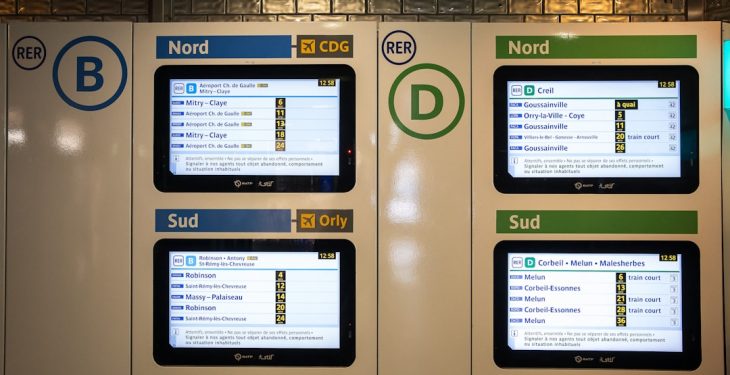
Modern cities depend on public transportation systems that run like clockwork. Behind every bus that arrives on time and every train that aligns perfectly with passenger demand is a sophisticated scheduling system. As urban populations grow and travel patterns become more dynamic, transit agencies are turning to advanced scheduling software to reduce delays, control costs, and deliver better service. The right tool can mean the difference between overcrowded routes and a smooth, efficient commute.
TLDR: Public transit scheduling tools help agencies design efficient routes, reduce delays, and match services to rider demand. Platforms like Trapeze Scheduling, HASTUS, and Optibus use advanced algorithms, real time data, and automation to optimize timetables and workforce planning. These tools improve cost efficiency, passenger satisfaction, and operational performance. Investing in modern scheduling software is becoming essential for growing transit systems.
In this article, we will explore three powerful public transit scheduling tools and how they help optimize routes in today’s fast changing transit environments.
1. Trapeze Scheduling Software
Trapeze is one of the most established names in public transportation management. Used by agencies across North America and beyond, its scheduling suite offers a comprehensive approach to planning routes, managing fleets, and optimizing driver assignments.
What makes Trapeze stand out is its ability to integrate multiple operational components into one system. It does not simply create timetables. It models entire transit ecosystems.
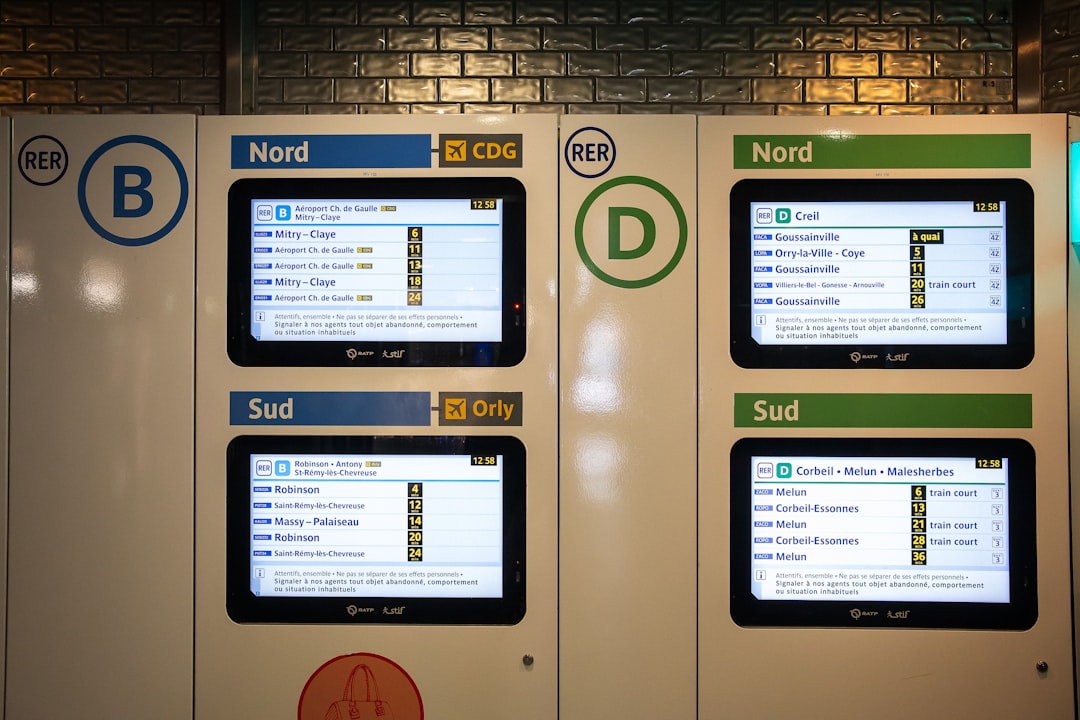
Key Features:
- Automated timetable creation based on ridership demand and service policies
- Run cutting optimization to assign drivers efficiently while minimizing overtime
- Scenario modeling to evaluate service changes before implementation
- Integrated GIS mapping for route visualization
- Support for multi modal systems, including bus, rail, and paratransit
One of the biggest challenges in public transit is balancing efficiency with fairness in workforce scheduling. Trapeze uses optimization algorithms to produce driver runs that meet labor regulations while reducing split shifts and unnecessary overtime costs.
Route optimization within Trapeze involves analyzing ridership data, peak travel windows, and traffic conditions. Agencies can simulate adjustments to frequency or route alignment and immediately see the cost and service impact. Instead of relying on guesswork, planners make evidence based decisions.
A major benefit of this approach is adaptability. If a city expands into new residential zones or introduces rapid transit corridors, planners can test changes virtually before committing resources.
Best suited for: Medium to large transit agencies looking for a highly customizable, enterprise level suite.
2. HASTUS by GIRO
HASTUS is another industry leader in transit scheduling and operations management. Known for its powerful optimization engine, it is used by major metropolitan systems worldwide. Its core strength lies in its advanced algorithms that manage complex transit networks efficiently.
Transit networks are rarely simple. They involve interconnected routes, coordinated transfers, driver shift rules, peak and off peak variations, and regulatory constraints. HASTUS handles this complexity with precision.

Key Features:
- Service design tools for planning routes and stops
- Vehicle scheduling optimization to minimize fleet requirements
- Crew scheduling and rostering aligned with labor agreements
- Real time operational adjustments
- Data driven performance monitoring
One of the defining characteristics of HASTUS is its ability to optimize vehicle blocks. A vehicle block determines how a bus or train operates throughout the day. By minimizing idle time and ensuring smooth transitions between trips, agencies can reduce the total number of vehicles required without lowering service levels.
This creates significant cost savings in fuel, maintenance, and capital expenses.
HASTUS also excels at transfer synchronization. Effective transit systems reduce passenger wait times when switching lines. The software analyzes timing relationships between routes to create coordinated schedules, improving the overall user experience.
In large urban systems where thousands of drivers must be scheduled weekly, HASTUS automates crew assignments while adhering to union rules and rest requirements. This reduces administrative workload and lowers the risk of compliance violations.
Best suited for: Large metropolitan transit authorities managing complex, multi line systems.
3. Optibus
Optibus represents the newer generation of transit scheduling tools. Built as a cloud native platform, it leverages artificial intelligence and machine learning to streamline scheduling and planning processes.
Unlike traditional systems that may require significant on premises infrastructure, Optibus operates entirely in the cloud. This allows for faster implementation, scalability, and collaborative planning across multiple departments.

Key Features:
- AI powered scheduling algorithms
- Cloud based collaboration tools
- Electric vehicle planning support
- Real time scenario comparison
- Automated compliance checks
One of Optibus’s strongest advantages is its speed of optimization. Complex route changes that once took hours or days to compute can now be analyzed in minutes. Planners can compare multiple “what if” scenarios side by side, evaluating cost, vehicle needs, and service reliability.
As many agencies transition toward electric buses, scheduling becomes even more complicated. Charging times, battery range, and charging station availability introduce new constraints. Optibus incorporates these variables directly into its optimization engine, helping agencies deploy electric fleets without disrupting service.
The platform’s collaborative interface also allows planning teams, operations managers, and finance departments to work from the same data environment. Decision makers can quickly visualize trade offs between cost and service coverage.
Best suited for: Forward thinking agencies embracing cloud technology, data analytics, and electric fleet transition.
How These Tools Optimize Routes
Although each platform has unique strengths, they share several common mechanisms for optimizing routes:
1. Data Integration
They combine ridership data, GPS tracking, traffic conditions, and historical performance metrics. This produces a clear picture of actual travel patterns rather than assumptions.
2. Algorithmic Scheduling
Advanced algorithms process thousands of variables simultaneously, determining ideal departure times, stop spacing, and vehicle allocation.
3. Resource Minimization
By reducing deadhead mileage (when vehicles travel without passengers) and idle time, agencies cut fuel use and emissions.
4. Workforce Optimization
Driver schedules are automatically aligned with labor contracts, preventing costly overtime and disputes.
5. Scenario Planning
Planners can model new routes, population growth impacts, or temporary events before implementing changes in the real world.
The Broader Impact on Cities
The importance of optimized transit scheduling extends beyond operational efficiency. It directly influences:
- Passenger satisfaction through reliable arrival times
- Environmental sustainability by lowering emissions
- Economic productivity by reducing commute times
- Budget stability via minimized operating costs
For example, a small improvement in route alignment can significantly increase ridership if it connects underserved neighborhoods to employment hubs. Likewise, synchronized bus and train schedules can drastically cut perceived travel time for commuters.
In an era where cities compete for talent and investment, efficient public transit becomes a strategic advantage.
Choosing the Right Tool
Selecting the right scheduling software depends on several factors:
- Size and complexity of the transit network
- Budget and available IT infrastructure
- Workforce size and labor regulations
- Adoption of electric or alternative fuel vehicles
- Need for cloud based collaboration
Large legacy systems with complex union agreements may benefit from the depth and proven track record of platforms like Trapeze or HASTUS. Growing agencies seeking flexibility and rapid deployment might lean toward cloud native solutions like Optibus.
Ultimately, the goal remains consistent across all systems: deliver more reliable service with fewer resources.
Final Thoughts
Public transit scheduling has evolved from manual timetables and spreadsheets to sophisticated optimization engines powered by data and artificial intelligence. Tools like Trapeze, HASTUS, and Optibus are transforming how cities design routes, assign drivers, and manage fleets.
As urban populations increase and sustainability goals become more ambitious, the pressure on transit agencies will only intensify. The agencies that succeed will be those that embrace modern scheduling technologies to anticipate demand, adapt quickly, and continuously refine operations.
Efficient transit is not just about moving buses and trains. It is about moving people, supporting economic mobility, and shaping more livable cities. With the right scheduling tools in place, public transportation systems can rise to meet the challenges of the future.
