
Influencer marketing has become one of the most visible and commercially important parts of modern brand communication. At its core, it is a structured partnership between a brand and a person who has the ability to shape opinions, build trust, and influence purchasing decisions within a specific audience. For brands, the value is not simply in reaching more people, but in reaching the right people through a voice they already know and trust.
TLDR: Influencer marketing is a strategy where brands collaborate with trusted content creators to promote products, services, or messages to targeted audiences. It works best when partnerships are authentic, clearly disclosed, and aligned with the brand’s goals. Rather than focusing only on follower counts, brands should evaluate relevance, credibility, engagement, and measurable business outcomes. A successful influencer strategy requires planning, careful selection, clear contracts, and ongoing performance review.
What Is Influencer Marketing?
Influencer marketing is a form of marketing in which a brand partners with an individual who has influence over a defined audience. This individual may be a social media creator, industry expert, blogger, podcaster, public figure, community leader, or professional reviewer. The influencer creates or shares content that introduces, explains, recommends, or demonstrates a brand’s offering.
The key word is influence. An influencer does not merely have an audience; they have the ability to affect how that audience thinks, feels, or acts. This influence may come from expertise, entertainment value, lifestyle appeal, trust, or long-term community engagement.
Influencer marketing can include sponsored posts, product reviews, tutorials, affiliate campaigns, brand ambassador programs, events, livestreams, giveaways, testimonials, and long-form content collaborations. It is used by brands in industries such as fashion, technology, beauty, healthcare, finance, food, travel, education, and business services.
Why Brands Use Influencer Marketing
Brands use influencer marketing because traditional advertising is often easy to ignore. Consumers are exposed to countless ads every day, and many have become skeptical of direct brand claims. Influencers can help bridge that trust gap by presenting a product or service in a more relatable, practical, and human context.
When done properly, influencer marketing can help brands:
- Increase awareness among audiences that may not yet know the brand.
- Build credibility through association with a trusted voice.
- Drive engagement through comments, shares, saves, clicks, and conversations.
- Generate sales or leads through trackable links, discount codes, or landing pages.
- Produce useful content that can be repurposed across owned channels.
- Reach niche communities more efficiently than broad advertising campaigns.
However, influencer marketing should not be treated as a shortcut. It is not simply paying someone popular to mention a product. The most effective campaigns are based on careful strategy, audience research, creative alignment, and transparent measurement.
Types of Influencers
Influencers are commonly grouped by audience size, although follower count alone should never be the only selection criterion. A smaller creator with a highly engaged, relevant audience may produce better results than a celebrity with millions of passive followers.
- Nano influencers: Usually have a small audience, often under 10,000 followers. They tend to have close relationships with their communities and can be effective for local or niche campaigns.
- Micro influencers: Typically have between 10,000 and 100,000 followers. They often offer a strong balance between reach, trust, and affordability.
- Mid tier influencers: Usually have broader reach and more professional content production while still maintaining a defined audience.
- Macro influencers: Often have hundreds of thousands of followers and can deliver significant visibility, though costs and competition for attention are higher.
- Celebrity influencers: Have very large public profiles. They can create mass awareness but may be less personal or less targeted.
- Expert influencers: May not have huge followings, but they carry authority because of professional credentials, experience, or specialist knowledge.
How Influencer Marketing Works
A professional influencer marketing campaign usually follows a defined process. This helps protect the brand, the influencer, and the audience from unclear expectations or misleading content.
- Set objectives: The brand identifies what it wants to achieve, such as awareness, traffic, conversions, sign ups, app downloads, or reputation building.
- Define the target audience: The brand clarifies who it wants to reach, including demographics, interests, needs, behaviors, and purchase motivations.
- Select suitable influencers: Potential partners are assessed for audience relevance, engagement quality, content style, credibility, values, and past partnerships.
- Agree on campaign terms: The parties define deliverables, timelines, compensation, usage rights, disclosure requirements, approval processes, and performance metrics.
- Create and publish content: The influencer produces content in a style that fits their platform and audience while meeting the brand’s requirements.
- Measure results: The brand evaluates performance against the original objectives and uses the data to improve future campaigns.
What Makes an Influencer Partnership Effective?
The strongest influencer partnerships are built on relevance, authenticity, and transparency. An influencer should make sense for the brand, and the brand should make sense for the influencer’s audience. If the connection feels forced, audiences are likely to notice.
For example, a fitness equipment brand may benefit from working with a personal trainer who regularly shares evidence-based workouts. A skincare brand may find better alignment with a licensed esthetician or a creator known for detailed product testing. A software company may work with a respected founder, consultant, or educator in its field.
Brands should look beyond surface-level popularity and ask serious questions:
- Does the influencer’s audience match our target customer?
- Is the audience genuinely engaged, or are the comments low quality and generic?
- Does the influencer have a history of responsible and professional brand collaborations?
- Would our product or service naturally fit into their content?
- Can this influencer communicate our value proposition clearly?
- Are there any reputational risks associated with this partnership?
A credible partnership should feel like a thoughtful recommendation, not an interruption. The influencer’s creative voice matters because audiences follow them for their perspective. Overly scripted content can reduce trust and weaken performance.
Common Influencer Marketing Channels
Influencer marketing can take place across many platforms. The right channel depends on the audience, product, campaign objective, and type of content needed.
- Instagram: Effective for visual storytelling, lifestyle content, reels, product discovery, and creator partnerships.
- TikTok: Strong for short-form video, trends, demonstrations, entertainment, and rapid awareness growth.
- YouTube: Valuable for in-depth reviews, tutorials, comparisons, education, and long-form demonstrations.
- LinkedIn: Useful for B2B campaigns, professional services, thought leadership, and industry credibility.
- Blogs and newsletters: Effective for search visibility, detailed product explanations, and audiences seeking depth.
- Podcasts: Strong for trust-based recommendations, niche audiences, and longer attention spans.
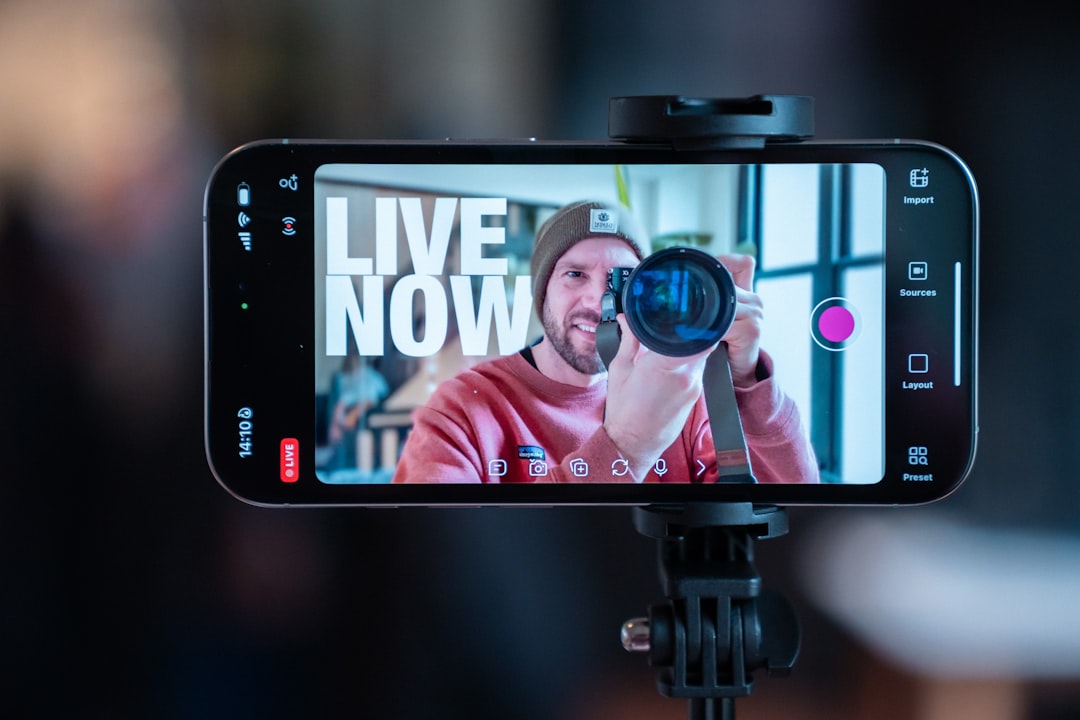
- Livestream platforms: Useful for real-time product demonstrations, Q and A sessions, and community interaction.
Benefits for Brands
Influencer marketing offers several practical advantages when managed responsibly. First, it allows brands to speak through people who already have established communities. Second, it can create content that feels more natural than traditional advertisements. Third, it can support multiple stages of the customer journey, from discovery to consideration and purchase.
Another important benefit is social proof. When potential customers see a product used or discussed by someone they trust, they may feel more confident exploring it. This does not mean every influencer recommendation will result in a sale, but it can reduce uncertainty and increase familiarity.
Influencer campaigns can also provide valuable market insight. Comments, questions, and audience reactions may reveal objections, preferences, use cases, and product perceptions that the brand can use to improve messaging or customer experience.
Risks and Challenges
Influencer marketing also carries risks. Poorly chosen influencers can damage a brand’s reputation, especially if their behavior, values, or audience do not align with the brand. Inflated follower counts, fake engagement, unclear disclosures, and unrealistic performance expectations can also create problems.
Brands should be especially careful about compliance. Sponsored content must be clearly disclosed according to applicable advertising rules and consumer protection standards. Audiences should be able to understand when a creator has been paid, gifted products, or otherwise compensated. Transparent disclosure protects both consumer trust and brand integrity.
Other challenges include:
- Measurement difficulty: Not every impact is immediately visible, especially for awareness and brand perception.
- Creative control: Brands must balance clear guidelines with the influencer’s authentic voice.
- Inconsistent quality: Content performance can vary even with strong planning.
- Reputational exposure: Influencers are independent individuals whose future actions cannot be fully controlled.
- Audience fatigue: Too many sponsored posts can reduce credibility and engagement.

How to Choose the Right Influencer
Selecting the right influencer is one of the most important decisions in the process. Brands should review both quantitative and qualitative factors. Metrics such as reach, impressions, engagement rate, click-through rate, and audience demographics are useful, but they do not tell the whole story.
A serious evaluation should include a review of the influencer’s past content, tone, consistency, audience comments, previous sponsorships, and professional conduct. It is also wise to check whether the influencer has worked with direct competitors or promoted products that conflict with the brand’s values.
Brands may also request a media kit, audience analytics, case studies, or examples of past campaign results. For larger campaigns, formal vetting is recommended, including reputational checks and contract review.
Measuring Influencer Marketing Success
Success should be measured against the campaign’s original goal. A brand awareness campaign should not be judged only by immediate sales, just as a conversion campaign should not be judged only by likes.
Common performance indicators include:
- Reach and impressions: How many people saw the content.
- Engagement: Likes, comments, shares, saves, replies, and watch time.
- Traffic: Clicks to a website, landing page, or product page.
- Conversions: Purchases, sign ups, downloads, bookings, or inquiries.
- Cost per result: The cost of each click, lead, sale, or engagement.
- Brand sentiment: The tone and quality of audience reactions.
- Content value: The usefulness of the content for future advertising, social media, or website use.
Tracking tools may include UTM links, affiliate codes, discount codes, platform analytics, surveys, customer attribution data, and post-campaign reporting. The most reliable measurement often combines several data sources rather than relying on a single metric.
Best Practices for Brands
To run influencer marketing responsibly and effectively, brands should approach it as a professional business partnership. Clear communication is essential from the beginning.
- Start with strategy: Define the goal, audience, message, budget, and success criteria before contacting influencers.
- Prioritize fit over fame: A relevant influencer with a trusted community is often more valuable than a larger but less aligned personality.
- Use written agreements: Contracts should cover deliverables, deadlines, payment, approvals, disclosures, exclusivity, cancellation, and content usage rights.
- Respect creative expertise: Provide guidance, but allow the influencer to communicate in a way their audience expects.
- Require clear disclosure: Sponsored content must be transparent and easy for audiences to identify.
- Review performance honestly: Use results to refine future partnerships rather than treating each campaign as a one-time experiment.
Is Influencer Marketing Right for Every Brand?
Influencer marketing can be valuable for many brands, but it is not automatically the right choice in every situation. A brand should have a clear offer, a defined audience, and the ability to support interest generated by a campaign. If the website, product experience, customer service, or sales process is weak, influencer marketing may expose those weaknesses rather than solve them.
It is also important to choose the right scale. Some brands should begin with a small test campaign involving a few carefully selected micro influencers. Others may benefit from a broader ambassador program or high-profile launch. The best approach depends on the brand’s maturity, budget, risk tolerance, and marketing objectives.
Conclusion
Influencer marketing is a disciplined approach to building visibility and trust through people who have earned attention within specific communities. For brands, its power lies not just in reach, but in relevance and credibility. A well-chosen influencer can explain a product, demonstrate its value, and introduce it to an audience in a way that feels more personal than conventional advertising.
To succeed, brands must treat influencer marketing with the same seriousness as any other strategic investment. That means setting clear objectives, choosing partners carefully, using transparent disclosures, protecting the brand legally, and measuring results with discipline. When these elements are in place, influencer marketing can become a reliable part of a broader marketing strategy rather than a speculative trend.
)