A sports agency press kit is like a highlight reel for your business. It tells the media, sponsors, athletes, and partners who you are. It shows what you do. It makes your agency look sharp, trusted, and ready for big opportunities.
TLDR: A sports agency press kit is a clean packet of information about your agency, athletes, services, wins, and contact details. It helps reporters, sponsors, and partners understand your brand fast. A great press kit should be simple, visual, and easy to use. Think of it as your agency’s media handshake.
What Is a Sports Agency Press Kit?
A sports agency press kit is a set of materials that tells your story. It is made for media people, sponsors, event organizers, and brands. It can be a PDF, a web page, a folder, or all three.
The goal is simple. You want people to say, “I get it. This agency is professional.”
A press kit can help when you are launching a new agency. It can help when you sign a new athlete. It can help when you announce a deal. It can also help when a reporter needs quick facts for a story.
Good press kits save time. They answer common questions before anyone asks them. They also make your agency look organized. That matters in sports. Speed matters. Trust matters. First impressions matter a lot.
Why Your Sports Agency Needs One
Sports move fast. News breaks in seconds. A deal gets signed. A player transfers. A young talent goes viral. A sponsor wants a quote by noon.
If you have a press kit ready, you can move fast too.
- It builds trust. People see your facts, history, and team.
- It saves time. Reporters do not need to chase basic details.
- It helps sponsors. Brands can see your audience and value.
- It supports athletes. Your clients look more marketable.
- It controls your story. You choose the message.
Think of your press kit like a locker room before the big game. Everything is in place. The jersey is ready. The playbook is ready. The team knows the plan.
What to Include in a Sports Agency Press Kit
Your press kit does not need to be fancy. It needs to be clear. It should look clean. It should be easy to scan. Most people will not read every word at first. They will skim. Then they will dig deeper if they care.
Here are the key parts to include.
1. Agency Overview
Start with a short intro. Say who you are. Say what you do. Say who you help.
Keep it short. Three to five sentences is enough.
Example:
PeakForm Sports Agency represents both rising and elite athletes across football, basketball, track, and combat sports. We help athletes grow their careers through contract support, brand deals, media training, and long-term planning. Our mission is simple: protect the athlete, grow the brand, and build a career that lasts beyond the game.
2. Mission Statement
Your mission statement is your “why.” It should sound human. Avoid big corporate fluff.
Better: We help athletes win on the field and off the field.
Not so great: We leverage integrated synergy to maximize sports vertical outcomes.
No one cheers for synergy. Keep it real.
3. Founder or Team Bios
People want to know who is behind the agency. Add short bios for key team members. Include experience, specialties, and fun details if they fit your brand.
- Name
- Role
- Years of experience
- Sports background
- Key wins
- Contact details, if needed
Example:
Jordan Ellis, Founder and Lead Agent, has 12 years of experience in athlete management and sports partnerships. Jordan has negotiated endorsement deals in basketball, soccer, and women’s sports. Before becoming an agent, Jordan worked in college athletics and still believes game-day coffee counts as a food group.
4. Athlete Roster
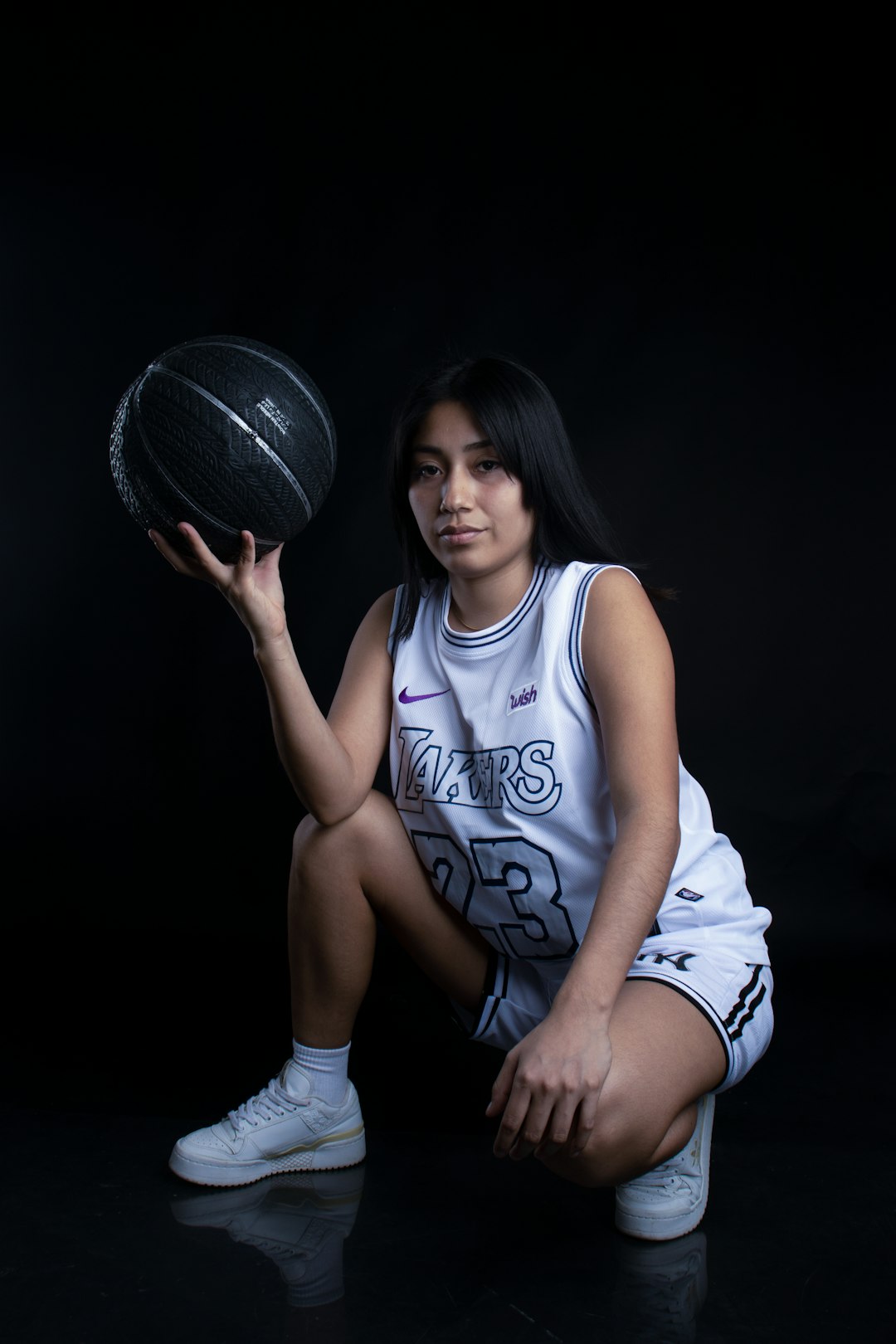
This is one of the most important sections. Show the athletes you represent. Add a photo, sport, team, achievements, and short bio for each person.
If you represent many athletes, do not include everyone in the main press kit. Highlight your key clients. Then link to a full roster if needed.
Include:
- Athlete name
- Sport
- Current team or league
- Career highlights
- Social media stats
- Brand partnership history
- Media availability
Make this section visual. Sports are emotional. Photos help people connect fast.
5. Services Offered
Explain what your agency does. Use simple words. Do not make people guess.
Your services may include:
- Contract negotiation
- Brand partnerships
- Public relations
- Social media strategy
- Career planning
- Financial education
- Event bookings
- Media training
- Post-career planning
Add one short sentence for each service. Make it useful. For example, “We connect athletes with brands that match their values and audience.”
6. Key Achievements
This is your trophy shelf. Show your wins. But do not brag too hard. Just state the facts.
You can include:
- Total contract value negotiated
- Number of athletes represented
- Major brand deals
- Media placements
- Draft picks supported
- Championships or awards
- Community impact projects
Example:
- Negotiated over $18 million in athlete contracts.
- Secured partnerships with five national fitness brands.
- Placed clients in over 40 media features.
- Supported three athletes through draft preparation.
7. Media Coverage
If your agency or athletes have been featured in the media, show it. Add logos, article titles, short quotes, and links if your kit is digital.
This adds proof. It says, “Other people are already paying attention.”
Keep this section tidy. Do not dump 50 links into one page. Pick the best features.
8. Brand and Sponsorship Info
Sponsors want numbers. They also want stories. Give them both.
Include audience data when you can. Add social media reach. Add audience age, location, interests, and engagement rates. If your athletes are strong in fitness, fashion, gaming, or community work, say so.
Simple sponsor snapshot:
- Total athlete social reach: 2.4 million followers
- Top markets: New York, Los Angeles, Dallas, Atlanta
- Audience interests: training, sneakers, wellness, youth sports
- Best partnership types: apparel, nutrition, events, content campaigns
This helps brands decide if there is a good fit.
9. Photos and Logos
Make it easy for media teams to use the right visuals. Include high-quality photos and logos. Add rules if needed.
Provide:
- Agency logo in color
- Agency logo in black and white
- Founder headshots
- Athlete action shots
- Athlete portraits
- Event photos
Also say how photos may be used. If credit is needed, make that clear.
10. Contact Details
Do not hide the ball. Add your media contact in a clear spot.
Include:
- Name
- Title
- Phone number
- Website
- Social media handles
If someone wants to book an interview, sponsor an athlete, or ask for a quote, they should know exactly what to do next.
Sports Agency Press Kit Template
Here is a simple template you can copy and adjust.
Cover Page
- Agency name
- Logo
- Tagline
- Hero image
- Media contact
Page 1: About the Agency
- Short agency overview
- Mission statement
- Year founded
- Headquarters
- Sports represented
Page 2: Leadership Team
- Founder bio
- Agent bios
- PR or partnership lead bio
Page 3: Athlete Roster
- Featured athletes
- Mini bios
- Stats and highlights
- Social media reach
Page 4: Services
- Contract support
- Brand deals
- Media relations
- Career planning
- Community work
Page 5: Achievements and Media
- Agency wins
- Press mentions
- Client success stories
- Brand partnerships
Page 6: Sponsorship Opportunities
- Audience overview
- Partnership types
- Sample campaigns
- Contact for brands
Final Page: Contact
- Media contact
- Business contact
- Website
- Social links
Example 1: Boutique Football Agency
Agency Name: IronPath Sports
Tagline: Built for tough players and smart careers.
Overview: IronPath Sports represents football players from college development to the professional level. The agency focuses on contract advice, draft preparation, NIL strategy, and brand partnerships. It works with athletes who value discipline, family, and long-term growth.
Press Kit Style: Bold colors. Strong action photos. Clean stats. Serious tone.
Best Sections:
- Draft prep success stories
- Trainer and coach partnerships
- NIL deal examples
- Player media day photos
This kind of press kit should feel powerful. It should smell like turf, sweat, and fresh ambition. In a good way, of course.
Example 2: Lifestyle Sports Agency
Agency Name: Vibe Athletics Group
Tagline: Where sport meets culture.
Overview: Vibe Athletics Group represents athletes who are also creators, entrepreneurs, and style leaders. The agency helps clients build partnerships in fashion, fitness, music, gaming, and wellness.
Press Kit Style: Bright design. Big portraits. Social stats. Trendy but clean.
Best Sections:
- Social media reach
- Brand campaign photos
- Audience insights
- Influencer crossover examples
This press kit should feel modern. It should show that the agency understands culture. Not just scores.
Example 3: Women’s Sports Agency
Agency Name: HerGame Management
Tagline: Representation that raises the game.
Overview: HerGame Management supports women athletes through contract guidance, sponsorship deals, public relations, and advocacy. The agency focuses on visibility, fair value, and community impact.
Press Kit Style: Confident. Inspiring. Clean. Data-driven.
Best Sections:
- Growth numbers in women’s sports
- Athlete community programs
- Media features
- Sponsor success stories
This press kit should show both heart and business power. Women’s sports are growing fast. The press kit should make that impossible to miss.
Design Tips for a Great Press Kit
You do not need to create an art museum. You need a clear, sharp, useful kit.
- Use short sections. Big blocks of text are scary.
- Add strong photos. Faces and action shots work well.
- Use real numbers. Stats build trust.
- Keep branding consistent. Use the same colors and fonts.
- Make it easy to share. PDF and web versions are helpful.
- Update it often. Old stats are like flat basketballs. Sad and not useful.
Common Mistakes to Avoid
Even good agencies can make messy press kits. Do not worry. These mistakes are easy to fix.
- Too much text. Keep it simple.
- No media contact. This is a big miss.
- Low-quality images. Blurry photos hurt your brand.
- Old information. Update rosters, stats, and links.
- No clear story. Tell people what makes you different.
- Too much hype. Confidence is good. Noise is not.
Final Checklist
Before you send your press kit, run through this quick checklist.
- Is the agency overview clear?
- Are athlete profiles current?
- Are photos high quality?
- Are stats accurate?
- Is the media contact easy to find?
- Does the kit look professional?
- Can someone understand your agency in two minutes?
If the answer is yes, you are ready.
Final Thoughts
A sports agency press kit is not just a document. It is your agency’s story in a clean, fast, useful format. It helps people understand who you represent, what you do, and why you matter.
Keep it simple. Make it visual. Add strong facts. Show personality. The best press kits feel professional, but not boring. They give the media what they need. They give sponsors a reason to care. They give athletes a reason to trust you.
And remember this. Your press kit does not need to be perfect forever. It just needs to be clear today. Then you can update it as your agency grows, wins, signs new talent, and collects more highlight moments.
