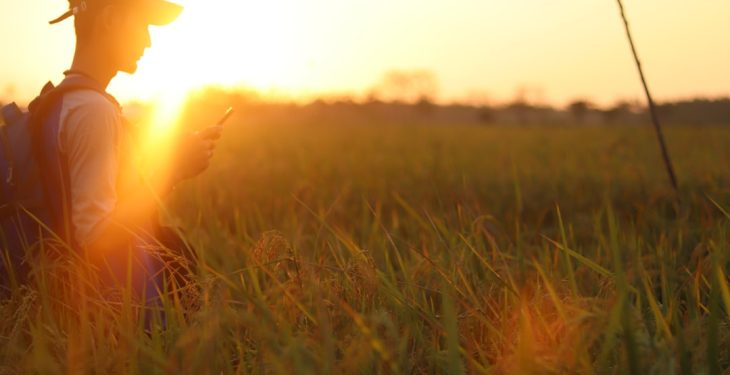
Farming has come a long way from paper notebooks and guessing games. Today, many farmers use smart tools right from their phones. Agriculture apps help track crops, study weather, manage soil, and plan harvests. They make farming more accurate and less stressful. And yes, they can even make it fun.
TLDR: Agriculture apps help farmers monitor crops, check weather, manage soil, and plan better harvests. These apps use real-time data, satellite images, and smart alerts. They save time, reduce costs, and boost crop yields. With the right app, farmers can make faster and smarter decisions every day.
Let’s explore how these apps work. And why they matter so much.
Why Crop Monitoring Matters
Plants can’t talk. But they do show signs. Leaves change color. Soil dries out. Pests attack quietly. If farmers catch these signs early, they can act fast.
That’s where agriculture apps shine. They collect data from:
- Satellites
- Drones
- Weather stations
- Soil sensors
- Farm equipment
The app puts all this information in one place. Simple charts. Easy alerts. Clear advice.
Features That Make These Apps Powerful
Not all agriculture apps are the same. But the best ones usually offer:
1. Real-Time Weather Updates
Weather changes fast. Rain, wind, frost. A good app gives live updates. Some even send alerts before a storm hits. That helps farmers protect crops and adjust irrigation.
2. Soil Health Tracking
Healthy soil means healthy crops. Apps can track:
- Nutrient levels
- Moisture content
- Soil temperature
- pH balance
This helps farmers decide when to fertilize or water.
3. Pest and Disease Detection
Some apps use AI. Farmers take a photo of a sick plant. The app analyzes it. Then it suggests possible diseases and treatments. Fast. Simple. Smart.
4. Crop Growth Monitoring
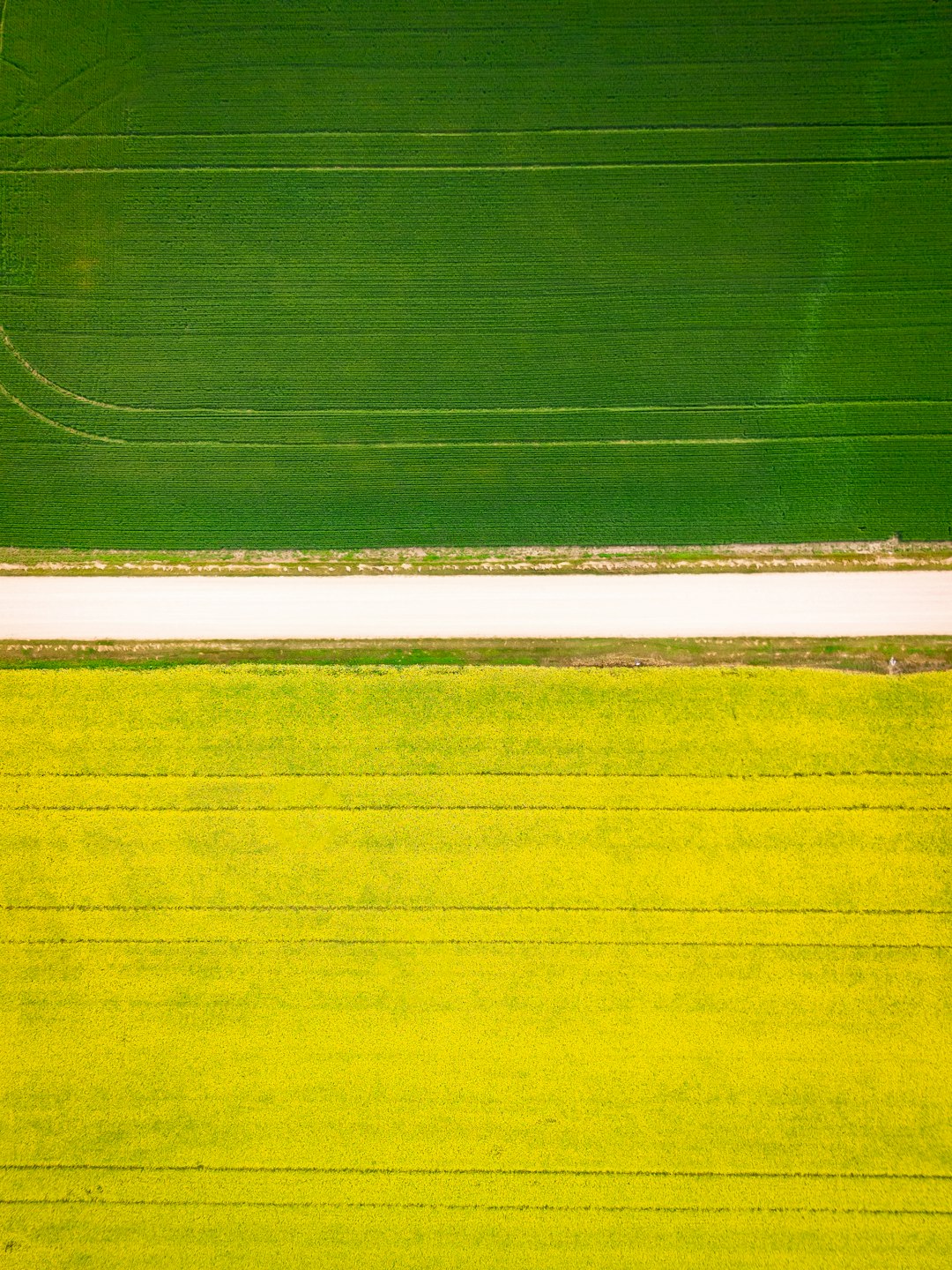
Satellite images track plant growth over time. Farmers can see weak spots in a field. Instead of treating the whole farm, they focus only on problem areas.
5. Planning and Record Keeping
Modern farming needs good records. Planting dates. Seed types. Fertilizer use. Harvest times. Apps store everything digitally. No more lost notebooks.
Popular Agriculture Apps for Crop Monitoring and Planning
Here are some well-known tools farmers use around the world.
1. Climate FieldView
This app focuses on data. Lots of it. It helps farmers analyze field performance using maps and reports. It connects with tractors and other smart equipment.
2. CropX
CropX uses soil sensors placed in the ground. It measures moisture and sends irrigation advice straight to a phone.
3. xarvio Field Manager
This app uses satellite images and AI. It helps predict diseases and recommends fertilizer amounts.
4. AgriWebb
Great for record keeping. It helps farmers plan tasks, track livestock, and manage daily operations.
5. FarmLogs
FarmLogs focuses on field health and financial tracking. It helps farmers understand costs and profits per field.
Quick Comparison Chart
| App | Best For | Main Feature | Ease of Use |
|---|---|---|---|
| Climate FieldView | Large scale data analysis | Advanced field mapping | Medium |
| CropX | Irrigation control | Soil moisture sensors | Easy |
| xarvio Field Manager | Disease prediction | AI crop insights | Easy |
| AgriWebb | Farm management | Record keeping tools | Very Easy |
| FarmLogs | Profit tracking | Financial reporting | Easy |
How These Apps Improve Planning
Good planning means fewer surprises. Agriculture apps help farmers plan in several smart ways.
Seasonal Planning
Apps provide climate history data. Farmers can check last year’s rainfall. Or temperature patterns from five years ago. This helps them choose the best crops to plant.
Better Planting Decisions
By checking soil temperature and moisture levels, farmers know the perfect time to plant. Not too early. Not too late.
Smart Fertilizer Use
Too much fertilizer wastes money. Too little hurts crops. Apps calculate the right amount based on soil data and crop needs.
Image not found in postmetaEfficient Irrigation
Water is precious. Especially in dry regions. Apps tell farmers when to water. And how much. This prevents overwatering and saves resources.
Harvest Timing
Apps can track crop maturity levels. Farmers harvest at peak quality. That means better prices at market.
Benefits Beyond the Field
The impact goes beyond healthier plants.
1. Saving Time
Farmers no longer need to walk every inch of their land daily. Satellite images give a bird’s-eye view in seconds.
2. Lower Costs
By targeting problem areas, farmers reduce waste. Less water. Less fertilizer. Fewer chemicals.
3. Higher Yields
Healthier crops grow better. Better growth means more produce. More produce means more income.
4. Less Stress
Farming can be unpredictable. Real-time alerts reduce uncertainty. Farmers feel more in control.
Are These Apps Hard to Use?
Most modern agriculture apps are built for simplicity. Clean dashboards. Clear graphs. Easy navigation.
Many also offer:
- Step-by-step setup guides
- Video tutorials
- Customer support
- Offline access for remote farms
Even farmers with limited tech experience can learn quickly.
The Role of AI and Drones
Artificial intelligence is changing farming fast.
AI can:
- Predict pest outbreaks
- Identify plant diseases from photos
- Suggest crop rotation plans
- Analyze years of yield data
Drones add another layer of insight. They fly over fields. They capture high-resolution images. These images connect to monitoring apps. Farmers see detailed crop health maps within minutes.
Things to Consider Before Choosing an App
Every farm is different. So choose wisely.
Ask these questions:
- Is my farm small, medium, or large?
- Do I need soil sensors?
- Is internet access reliable?
- What is my budget?
- Do I want basic tracking or advanced AI insights?
Some apps charge monthly fees. Others use hardware subscriptions. Always compare costs and features.
The Future of Crop Monitoring
The future looks exciting. Even smarter tools are coming.
We may soon see:
- Fully automated irrigation systems
- Robots that treat individual plants
- Blockchain-based crop tracking
- Even more accurate yield predictions
As technology improves, farming becomes more precise. More sustainable. More productive.
Final Thoughts
Agriculture apps are changing the way farmers work. They turn data into clear actions. They reduce guesswork. They improve crop health and farm profits.
And the best part? Many tools fit right in your pocket.
Farming will always require hard work. Dirt. Sun. Patience. But with the help of smart apps, farmers can work smarter every single day.
Simple tools. Smart decisions. Better harvests.
