
As artificial intelligence continues to transform industries and influence the way we work, one of the most intriguing possibilities on the horizon is a reduced workweek — made not only feasible but also productive through the use of AI. The concept of a four-day or even three-day workweek, once seen as utopian or impractical, is gaining serious consideration among economists, technologists, and policymakers. With machines ready to handle repetitive and time-consuming tasks, humanity might be standing on the brink of a profound redefinition of labor and productivity.
TL;DR: Emerging advancements in artificial intelligence are enabling significant efficiencies in the workplace, fueling the discussion around a reduced workweek. Studies show that with AI doing the heavy lifting, employees can focus on higher-value tasks within fewer working hours, without compromising output. Many companies experimenting with four-day workweeks report improved morale, retention, and even profitability. While challenges remain in implementation, the long-term vision suggests that AI-driven reduced workweeks may redefine the future of work.
Why AI Has Sparked a New Look at the Workweek
Historically, productivity gains have led to shorter working hours — from 12-hour factory shifts during the Industrial Revolution to the standard 40-hour workweek in the post-war era. Now, we stand on the cusp of a new transformation, powered by artificial intelligence. AI systems are increasingly capable of:
- Automating repetitive administrative and operational tasks
- Enhancing decision-making through large-scale data analysis
- Streamlining communication and collaboration across global teams
- Personalizing user and customer experiences across digital platforms
These capabilities mean that businesses can do more with less time. Work once requiring dozens of hours and multiple departments can now be accomplished more efficiently using intelligent systems. The traditional metric of productivity — measured by time spent — may no longer be the best yardstick in an AI-centric economy.
The Case for a Four-Day Workweek
The most commonly discussed format is the four-day workweek: maintaining the same pay while reducing hours. When layered with AI tools, the efficiency gains make this not only doable but potentially optimal for several reasons:
- Increased Employee Well-being: More personal time leads to reduced burnout and improved work-life balance.
- Retention and Recruitment: Companies offering reduced workweeks attract top talent and experience lower attrition rates.
- Environmental Benefits: Fewer commuting days lead to reduced carbon emissions and energy consumption.
- Higher Productivity: Concentrated effort during fewer workdays, often supported by AI planning tools, boosts output.
A 2022 pilot program in the UK, involving over 60 companies transitioning to a four-day workweek, found that 92% of organizations decided to keep the structure after observing increases in productivity and worker satisfaction.

How AI Is Reconstructing the Nature of Work
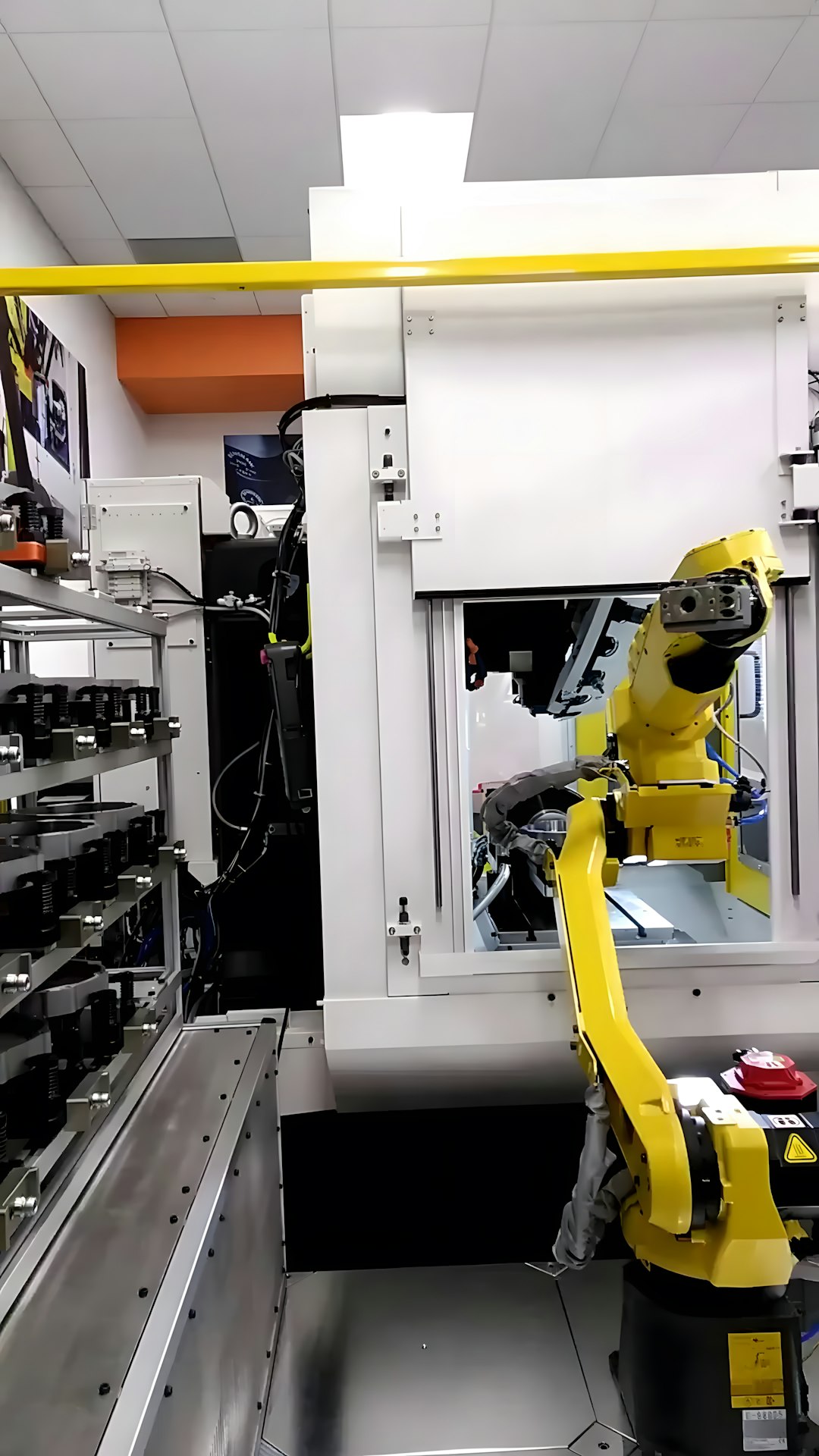
It’s important to understand that AI doesn’t merely reduce the time needed for tasks — it also changes the nature of those tasks. In industries from finance to healthcare to software development, AI is being embedded into core workflows. Some key transformations include:
- Process Automation: AI-powered bots complete data entry, invoice processing, and reporting at speeds and accuracies unattainable for human workers.
- Natural Language Interfaces: Workers engage with intelligent agents like ChatGPT or Microsoft Copilot to draft emails, reports, and even code.
- Predictive Analytics: AI analyzes customer behaviors and operational trends, allowing both strategic and tactical decision-making to be data-driven.
By offloading lower-value tasks to machines, employees can concentrate on creativity, interpersonal skills, and expert decision-making — all of which are harder (at least for now) to replicate with AI.
Challenges to Implementation
While the potential is significant, transitioning to an AI-augmented shorter workweek is not without obstacles. Some of the current challenges include:
- Cost of Technology: Small- and medium-sized businesses may find the investment in AI systems financially burdensome at early stages.
- Change Management: Shift in company culture, management styles, and workflows can encounter resistance from both leadership and employees.
- Equity and Access: Not all roles are equally automatable. Industries with frontline or manual labor may struggle to adopt such a model fairly.
- Risk of Over-Surveillance: To measure productivity in fewer hours, some companies may resort to invasive AI monitoring tools, raising ethical concerns.
Addressing these issues will require strategic planning, inclusive policy debates, and possibly even regulatory intervention to ensure that the AI-driven workweek remains a benefit rather than a burden.
The Role of Government and Policy
To accelerate adoption and ensure a just transition, governments might play a proactive role by:
- Offering tax incentives or subsidies for AI adoption, especially to smaller businesses
- Funding reskilling programs for workers moving into more knowledge-intensive roles
- Ensuring labor protections evolve in tandem with automation, especially concerning surveillance and working hours
- Creating public-private partnerships to pilot new workweek models
Countries like Iceland and New Zealand have already tested versions of shorter workweeks with positive results. Their models suggest that with public endorsement and planning, transitions can be smooth and sustainable.
The Psychological and Societal Impact
Beyond economic metrics, a reduced workweek empowered by AI may significantly affect cultural and psychological norms around work. Historically, career identity and fulfillment have been central to personal identity, especially in affluent nations. However, as AI takes over more of what were once human-only tasks, society may need to redefine what “meaningful work” is.
This shift might also unlock new avenues for personal growth, education, leisure, and civic participation. More time outside traditional work hours could result in higher volunteerism, better mental health, and even stronger communities.
What Businesses Must Do Now
Forward-thinking businesses should already be preparing for this future. Key steps include:
- Audit workflow bottlenecks where AI could improve efficiency.
- Experiment with flexible scheduling models and gather employee feedback.
- Invest in AI literacy among employees to build comfort and capability with tools.
- Evaluate team outputs based on outcomes, not hours spent, shifting the metric of productivity.
By treating the four-day (or even fewer-day) workweek not as a perk but as a strategic initiative, companies can get ahead of the curve and attract the next generation of digitally savvy employees.
Conclusion: Is Less Really More?
Artificial intelligence is not a future consideration — it’s a present force rewriting how work is structured and evaluated. As the fruits of AI maturity enable unprecedented productivity, there is a legitimate push to redistribute time in a way that retains economic output while enhancing quality of life.
While there is no one-size-fits-all model, the AI-driven reduced workweek is more than a vision — it is an attainable future. By harnessing technology responsibly and aligning it with human well-being, we may soon look back at the five-day, 40-hour workweek as an artifact of another era — one that was ripe for intelligent transformation.
