
Turkey’s rich cultural tapestry is woven with threads of delectable cuisine and intriguing traditional games. Among the many lesser-known gems is the Çbiri game — a centuries-old recreational activity — and the beloved Turkish stew — a hearty dish cherished from village tables to city restaurants. Together, they paint a vivid picture of community life, heritage, and the enduring spirit of togetherness in Turkish society.
TL;DR
The Çbiri game is a traditional Turkish team sport, blending physical strategy with community fun, often played during village festivities. In parallel, the traditional Turkish stew (often called “güveç”) holds cultural and culinary significance, passed down through generations for its deep flavors and connection to family gatherings. Both the game and the dish reflect Turkey’s emphasis on unity and shared experiences. This article dives into the origins, rules, and tips for both cultural staples.
Origins of the Çbiri Game
The Çbiri game has its origins in rural Anatolia, dating back several hundred years. Played mostly in villages and small towns, it emerged as a way for young people to test their agility, wit, and strength in an entertaining group setting. Its roots lie in tribal traditions that celebrated harvests and seasonal changes, often accompanied by food and music.
The name “Çbiri” is believed to be a local dialect adaptation of a now-obscure Turkic or Caucasian root word, symbolizing “unity” or “group effort.” Historically, it served beyond entertainment — it was a form of physical education and conflict resolution among youth, especially young men preparing for adulthood in communal settings.

How Çbiri is Played: Rules and Setup
Though the rules vary slightly by region, the basic format of Çbiri includes the following:
- Players: Typically 10 to 20 players, divided into two teams.
- Field: An open, flat space, often in a village square or pasture.
- Objective: Similar to tag, one team must “capture” players of the other team by touching them, but with unique movement restrictions.
Each team lines up on opposite sides of the field. Once play starts, players can only move in straight lines, either horizontally or vertically — never diagonally. If a player deviates or overlaps another, they are considered “out.” The game continues until one team captures all members of the opposing side or time runs out.
Winning Strategy: Success in Çbiri relies on teamwork, quick thinking, and spatial awareness. Younger generations have started to revive the game at cultural festivals and sports days to ensure its legacy continues.
The Role of the Traditional Turkish Stew in Culture
While Çbiri brought people together through play, the traditional Turkish stew — or güveç — united them through flavor. This one-pot dish is a staple of Turkish cuisine, especially in rural homes where seasonal vegetables and slow-cooked meats form the backbone of nutrition.
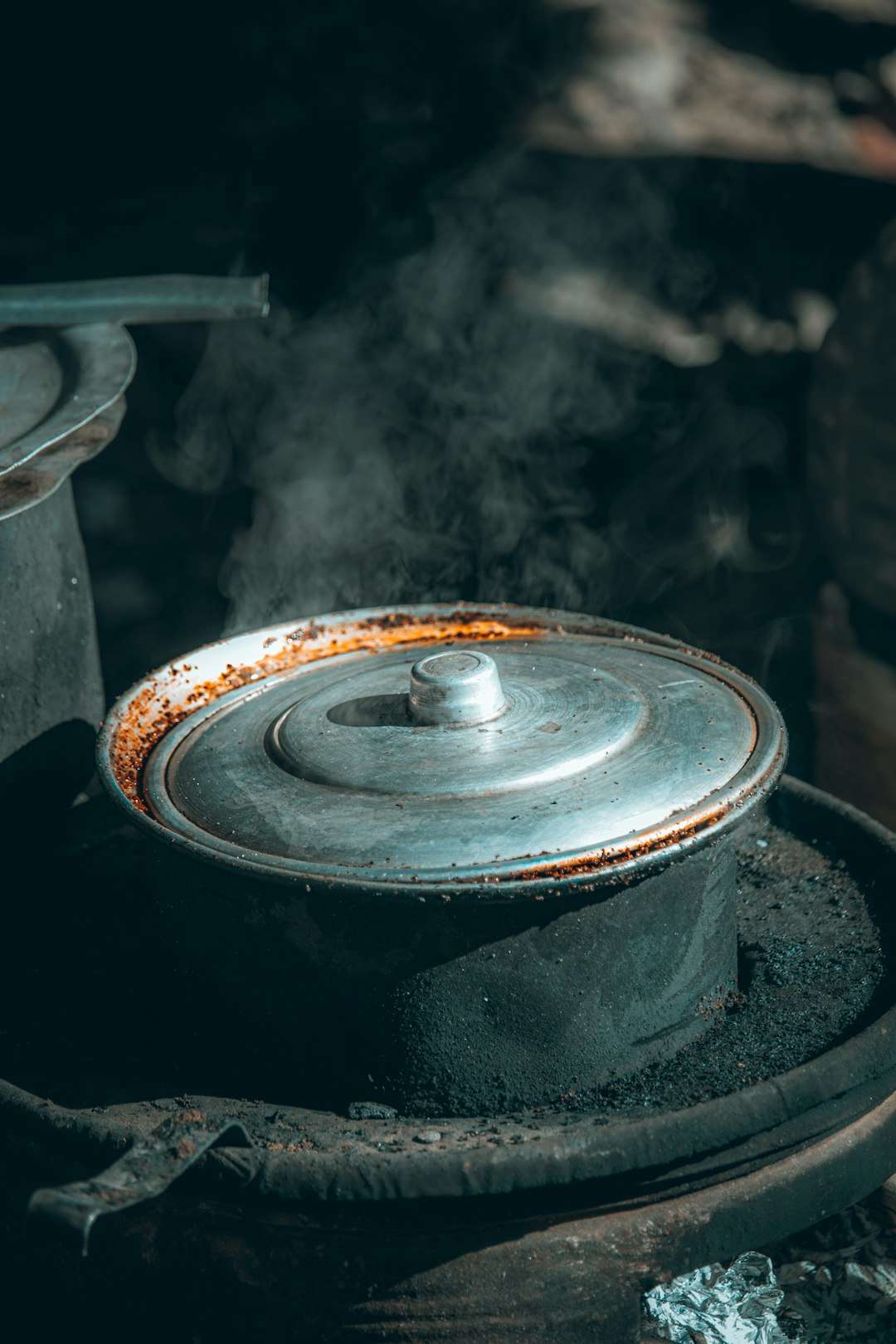
Typically cooked in clay or ceramic pots, güveç embodies the essence of resourcefulness and patience. It’s often prepared communally during religious holidays, weddings, or harvest times, where feeding large groups is essential.
What Goes into a Traditional Turkish Stew?
Though ingredients and techniques vary by region, here’s what defines an authentic Turkish stew:
- Main Protein: Lamb is the most traditional, followed by beef and chicken.
- Vegetables: Eggplant, green peppers, tomatoes, onions, and potatoes are common staples.
- Spices: Paprika, cumin, black pepper, and occasionally cinnamon and dried mint.
- Liquids: Tomato paste mixed with water or broth is used to simmer the dish until flavors meld.
The cooking process usually spans several hours, either in an oven or directly over fire, leading to a rich, melt-in-the-mouth finish. The longer it simmers, the deeper its flavor. The clay pot not only sustains heat but also imparts a unique earthiness to the food.
Cooking Tips for Authentic Flavor
If you’re planning to try your hand at preparing a traditional Turkish stew at home, here are some essential tips:
- Use a clay pot: Modern pans work, but a clay vessel brings an irreplaceable authenticity to the dish.
- Layer your ingredients: Begin with tougher vegetables at the bottom (like potatoes), then meat, and finally softer vegetables on top.
- Don’t rush: The secret is in slow cooking—let it simmer for at least 2-3 hours for flavors to marry.
- Prep in advance: Give the meat a rub of salt and spices and let it sit for 30 minutes to infuse flavor.
Serve with fresh pita or rice pilaf for a full cultural experience.
Çbiri and Turkish Stew: A Powerful Cultural Pairing
What makes Çbiri and traditional Turkish stew such a natural pairing is not just their Anatolian origin but the communal spirit they celebrate. It’s not uncommon for villages to end a day of Çbiri games with shared meals, often featuring freshly made güveç.
These practices are more than just leisure and food; they are heritage keepers. As urbanization continues to draw younger generations to cities, cultural conservationists are working to preserve both the game and the cuisine through festivals, workshops, and educational initiatives.
FAQ about Çbiri and Traditional Turkish Stew
-
Q: Is Çbiri similar to modern sports?
A: Yes, it shares characteristics with dodgeball and tag variants but with stricter directional movement and deep cultural roots. -
Q: Where can one watch or play Çbiri today?
A: Cultural festivals, especially in Anatolia and during national holidays, often include demos or tournaments of Çbiri. -
Q: Can Turkish stew be modified for vegetarians?
A: Absolutely. Beans, chickpeas, mushrooms, and eggplants can replace meat while still offering hearty richness. -
Q: Do I need special Turkish spices for the stew?
A: Not necessarily. Basic spices like cumin, paprika, and black pepper suffice, though specialty spice blends can enhance authenticity. -
Q: What drink pairs well with Turkish stew?
A: Ayran (a salty yogurt drink) or a glass of robust red wine are traditional accompaniments.
Conclusion
The Çbiri game and traditional Turkish stew are more than pastimes and meals — they are cultural rituals that echo the values of community, heritage, and celebration. Whether you’re immersed in a game of Çbiri or enjoying a slow-simmered güveç, you are participating in a timeless tradition that continues to nourish both body and spirit.
