Imagine you’re building a sandcastle on the beach. The waves come in, and — sploosh — your hard work gets destroyed. That’s kind of what happens in real life when soil isn’t managed properly on construction sites. It causes erosion, messes with the environment, and creates costly problems. This is where Earth Control Measures step in like superheroes with capes made of sandbags and grass seeds.
TLDR: Too Long, Didn’t Read
Earth Control Measures help keep soil in place at construction sites and natural landscapes. They prevent erosion, protect nearby rivers and forests, and stop pollution. These measures are important for both the planet and people. They’re like using a seatbelt—simple but life-saving.
What Are Earth Control Measures?
Earth Control Measures (ECMs) are tools, techniques, and structures used to reduce soil erosion and water pollution. They’re used mainly during construction or land development.
When builders dig, move dirt, or chop down vegetation, it leaves loose soil. Rain and wind can then carry this soil into drains, rivers, and roads. ECMs keep that soil in place.
These measures can be either temporary (for short-term projects) or permanent (for long-lasting protection).
Why ECMs Are Super Important
Without ECMs, construction can go from helpful to harmful in a snap. Here’s what can happen without them:
- Soil erosion: Rain washes soil away, damaging land and causing landslides.
- Water pollution: Soil, chemicals, and garbage clog rivers and harm fish.
- Flooding: Loose sediment blocks drains and causes water to overflow streets.
- Project delays: Dirty sites may get shut down by the government.
Good ECMs stop all that from happening. They also make the site safer for workers and prettier for everyone else.
Types of Earth Control Measures
1. Silt Fences
These are simple barriers made from fabric and wooden stakes. They catch soil while letting water pass through slowly. You often see them around construction sites.
2. Sediment Basins
These are little ponds built to trap muddy water so the sediment settles before water flows out. Think of them as speed bumps for dirty water.
3. Grass and Ground Cover
Planting grass or laying mulch can hold soil in place. Roots grab the earth, like tiny hands, and protect it from rain and wind.
4. Check Dams
These are small barriers built in drainage channels to slow down water. Slower water means less erosion and more time for sediments to settle.
5. Diversion Channels
These are mini waterways that guide excess rain around the site instead of through it. They help before the storm hits hard.
6. Rock Linings
Putting rocks in ditches or slopes keeps soil from flowing away. It’s like giving the dirt a protective jacket.
7. Sediment Traps
Smaller than basins, these are used for minor disturbances. Great for tiny projects or short-term work.
Benefits of Earth Control Measures
If you’re wondering why you should really care about this—here’s the gold:
- Protects nature: Keeps rivers clean and animals safe.
- Reduces maintenance: Saves money on cleanup and repairs later.
- Prevents legal trouble: Avoids penalties for breaking environmental laws.
- Boosts safety: Reduces slips, sinkholes, and even landslides.
- Improves community image: Well-managed sites make neighbors happy.
Who’s in Charge of ECMs?
Developers and contractors are usually responsible. But they don’t work alone. Engineers, safety officers, and environmental specialists all help plan and manage ECMs.
In many places, the government checks up on these measures. If they’re not good enough, the site can be fined or shut down. So yes, they’re a big deal!
Steps to Make ECM Work
Putting ECMs in place isn’t just about digging holes and planting grass. It starts with a plan and follows through with care. Here’s a quick list:
- Site Assessment: Study the land to spot erosion risks.
- Design: Choose the right ECMs based on soil, slope, and weather.
- Installation: Put in fences, basins, and plants before work starts.
- Monitoring: Check regularly to fix damage or clogs.
- Maintenance: Clean traps, replace barriers, and keep drains open.
- Removal: Take away temporary ECMs only when the land is stable.
Remember, ECMs aren’t just boxes to tick. They need attention and love (yes, love!) to really work well.
Can ECMs Be Fun or Beautiful?
You bet! Imagine a sloped garden with colorful flowers that also works as erosion control. Or a pond with fish catching site runoff.
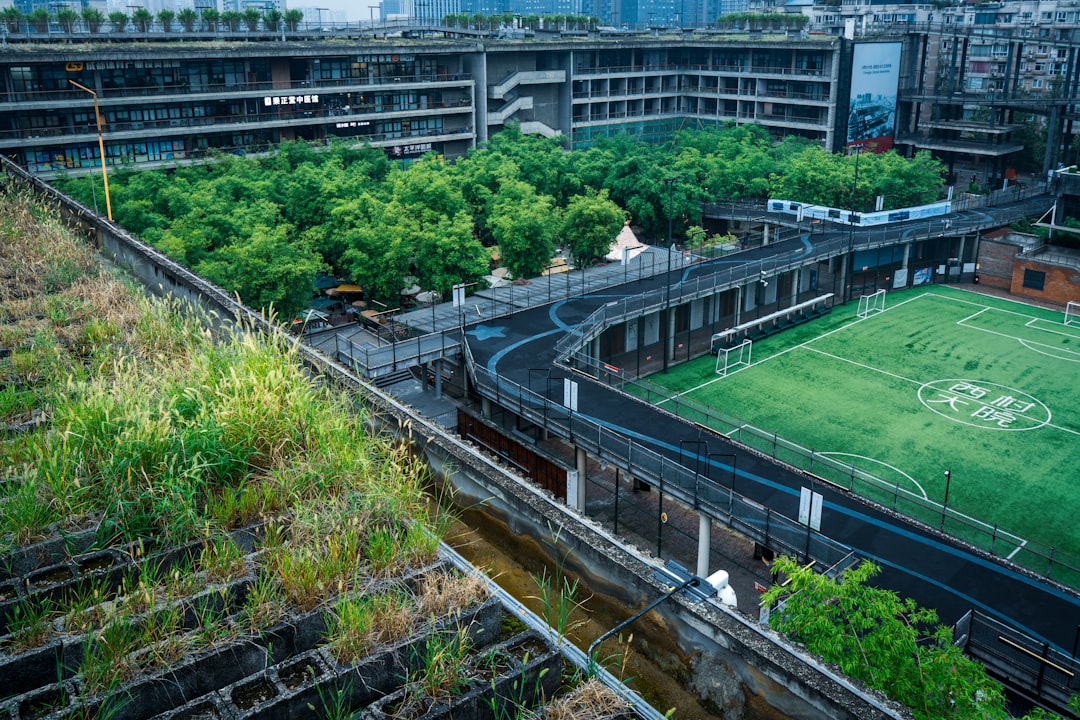
Modern ECMs merge beauty with function. Some urban developments even turn them into eco-parks and community green spaces.

Common Mistakes to Avoid
Let’s face it—mistakes happen. But when it comes to ECMs, some errors are super common:
- Waiting too long: If you don’t install ECMs early, the damage is already done.
- Wrong choices: A silt fence might not handle a heavy downpour—know what fits where.
- Skipping maintenance: Clogged basins are useless.
- No training: Workers need to know what ECMs do and how to care for them.
Avoid these, and your ECMs will be rockstars.
ECMs and the Climate
As weather gets more extreme, thanks to climate change, ECMs are more important than ever. Heavy rains and stronger storms can cause more damage in less time.
Good ECMs make your site more resilient. Think of it as giving your construction project an umbrella and rain boots!
Conclusion
Earth Control Measures might not make the front page, but they silently save the day. Whether it’s silt fences or grassy slopes, these tools protect our homes, roads, rivers, and even animals.
And the best part? They’re simple, smart, and incredibly effective. So next time you see a muddy site with barriers and plants growing in odd places—give a little nod. That’s the magic of Earth Control Measures at work.
Be kind to the Earth. Hold it together—literally!
