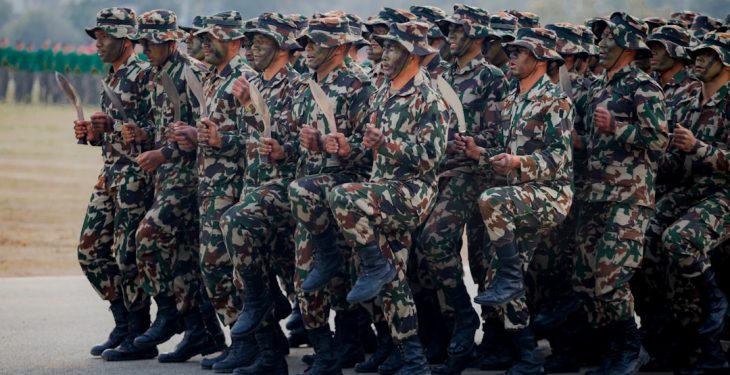
Did you know you can work with the U.S. Army without ever putting on a uniform or going through basic training? That’s right! The Army doesn’t run just on soldiers—it also needs a powerful crew of civilians to keep things going. From scientists to secretaries, teachers to tech whizzes, Army civilian careers span across many fields and offer great benefits.
TLDR (Too long, didn’t read):
The Army isn’t only for soldiers. Civilians work alongside military teams, doing jobs in science, healthcare, engineering, and more. It’s a way to serve your country while keeping your current lifestyle. Plus, many jobs offer great pay, stability, and chances to grow.
What Are Army Civilian Careers?
Army Civilian Careers are jobs held by people who work for the U.S. Army but are not soldiers. These workers are part of a large team called the Army Civilian Corps. They do important work that helps the Army function every day.
You could be working in an office, a lab, a hospital, or even overseas. But you’ll still go home at the end of the day—no boot camps or deployments unless you volunteer for them.
Types of Army Civilian Jobs
There are tons of jobs to choose from! Here are just a few:
- Engineering & Science: Work on tanks, weapons, or cybersecurity.
- Healthcare: Be a nurse, doctor, therapist, or lab tech.
- Logistics & Supply: Help keep soldiers equipped and ready.
- Finance: Manage budgets, payrolls, and accounting.
- Legal: Work as a paralegal or attorney.
- Human Resources: Support hiring and personnel needs.
- Education: Teach kids on military bases all over the world.
There’s something for everyone, whether you love numbers, technology, people, or paperwork!
Why Choose a Civilian Career with the Army?
Aside from being a part of something meaningful, there are some great perks. Here’s why a lot of people choose this path:
- Job Stability: Government jobs are known for long-term security.
- Great Benefits: Healthcare, paid holidays, sick leave, and retirement plans.
- Global Opportunities: You can work across the U.S. or even abroad.
- Career Growth: Training and promotions help you move forward.
- Work-Life Balance: Most positions follow regular hours.
Whether you’re starting fresh or switching careers, it’s a smart move!
What’s the Difference Between Civilian and Military Jobs?
This is a big question. Here’s a fun and simple way to compare them:
| Feature | Army Civilian | Army Soldier |
|---|---|---|
| Wears Uniform | No | Yes |
| Basic Training | No | Yes |
| Deployable | Usually not | Often |
| Job Types | Civilian fields (admin, tech, healthcare, etc.) | Combat and military-specific roles |
| Pay & Benefits | Government scale with benefits | Military pay + allowances + benefits |
So yes, you can still serve without doing push-ups at dawn!
Cool Jobs You May Not Know About
Still not sure what Army civilian job could be right for you? Check out a few cool ones:
- Forensic Scientist: Help the Army investigate crimes with science!
- Cybersecurity Analyst: Protect Army data from hackers.
- Museum Curator: Take care of military history items and displays.
- Wildlife Biologist: Manage nature and wildlife on Army lands.
- Librarian: Run libraries at Army installations around the world.
Yep, the Army literally has something for everyone—even animal lovers and history buffs.

Where Do You Work?
Army civilians can be found just about anywhere. Here are a few places you might work:
- Army bases across the U.S.
- Overseas locations in Europe, Asia, and more
- Special research centers or medical clinics
- Offices in Washington, D.C. or other federal buildings
Feeling adventurous? Apply for a position overseas and explore a new country while earning a living!
How to Get Started
You can find job listings on the USAJOBS.gov website. That’s the central place for all U.S. Government jobs, including Army civilian ones.
Here’s a quick step-by-step:
- Create an account on USAJOBS.
- Upload your resume (or use their built-in tool).
- Search by keyword, location, or job series.
- Find a posting that suits your skills and apply online.
- Watch your email for updates—some jobs take time to fill.
Tip: Try searching for terms like “Army civilian,” “Department of the Army,” or specific job titles.
Helpful Skills and Degrees
Some jobs only need a high school diploma. Others may ask for a college degree or special certifications. But experience matters too!
Here are some helpful skills that are always in demand:
- Computer skills
- Communication
- Problem-solving
- Leadership
- Project management
If you’re a veteran, your military experience can also give you a big advantage when applying for these positions.
Real People, Real Stories
Let’s meet Jamie, a civilian mechanical engineer at an Army base in Texas. Jamie helps test and improve helicopter parts to make them safer and faster.
Then there’s Lisa, a financial analyst who makes sure equipment budgets are spent wisely. She gets to work with commanders and help make big decisions.
Both have steady careers, good pay, and a chance to grow while making a difference. And neither of them had to go through boot camp!
Time to Explore!
If you’re looking for a stable, meaningful, and flexible career, the Army Civilian path might be just right for you. Whether it’s helping soldiers behind the scenes or managing programs that matter, you’ll be playing an important role.
No uniform. No barracks. Just real impact and real growth.
Ready to start?
Check out current openings on USAJOBS.gov and take the first step toward a brighter, mission-driven future!
