
Thinking about a job in healthcare but not sure where to start? Becoming a Patient Care Technician (PCT) might be the perfect first step! It’s a role that lets you jump into the world of healthcare, help people every day, and even explore future career options.
TLDR: Too Long, Didn’t Read
A Patient Care Technician (PCT) is a vital helper in hospitals, clinics, and nursing homes. They do a mix of hands-on care and basic medical tasks. It’s a great entry point for anyone curious about healthcare without jumping straight into years of schooling. Many people use a PCT job as a launchpad to become nurses, paramedics, or other medical pros.
What Is a Patient Care Technician?
A Patient Care Technician is someone who helps patients with everyday needs and supports nurses and doctors. It’s like being the friendly face that patients see most often! You might help with feeding, bathing, checking vital signs, or even drawing blood in some cases.
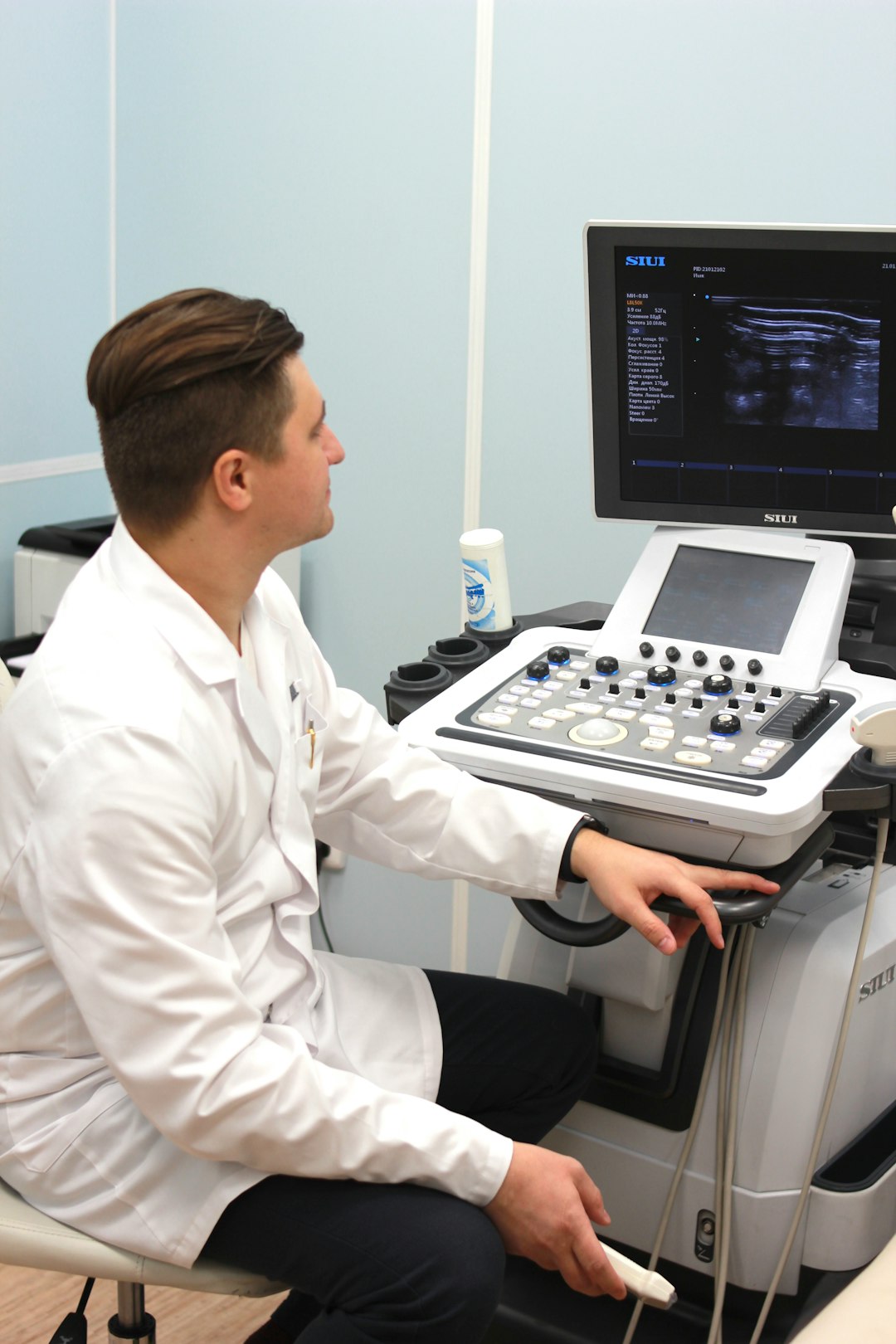
The job is hands-on and full of action. If you like staying busy and enjoy helping people, this might be your thing.
What Does a PCT Do All Day?
Every day is a little different, but here are some things a PCT might do:
- Help patients get dressed, eat, or move around
- Check vital signs like heart rate and temperature
- Change bed sheets and keep rooms tidy
- Assist nurses with medical procedures
- Talk to patients to keep them calm and comfortable
- Collect blood samples or perform EKGs (after extra training)
You won’t be bored! There’s always something happening. Plus, you’ll be surrounded by other healthcare workers who can teach you along the way.
Where Do Patient Care Technicians Work?
PCTs are needed in all kinds of places, such as:
- Hospitals
- Nursing homes
- Rehabilitation centers
- Dialysis centers
- Home care services
Each place has a different pace. For example, hospitals are fast and full of action. Nursing homes are calmer but more focused on long-term care. You can choose what fits your style.
How Do You Become a PCT?
Good news: you don’t need years of school! Here are the general steps:
- Finish high school or get a GED
- Complete a PCT training program (many take only a few months)
- Pass a certification test, like the CPCT/A
Some programs even include hands-on practice at a clinic or hospital. By the end, you’ll know how to take vital signs, use medical equipment, and talk to patients with care.
What Skills Do You Need?
You don’t need to be a superhero. But a few key traits will really help:
- Kindness: Patients need someone who listens and shows care.
- Stamina: You may be on your feet a lot, and sometimes lifting or helping patients.
- Teamwork: Nurses, doctors, and other staff count on you.
- Detail-Oriented: A small mistake can affect someone’s health.
- Communication: Knowing how to talk clearly helps you and the whole team.
Why Is This Job a Stepping Stone?
Many healthcare pros started as PCTs. Why?
Because once you work in the field, you get:
- Real-world experience with patients
- A taste of different roles—nursing, lab tech, physical therapy, etc.
- Clear info about what you do and don’t like
- Inspiration from coworkers and patients
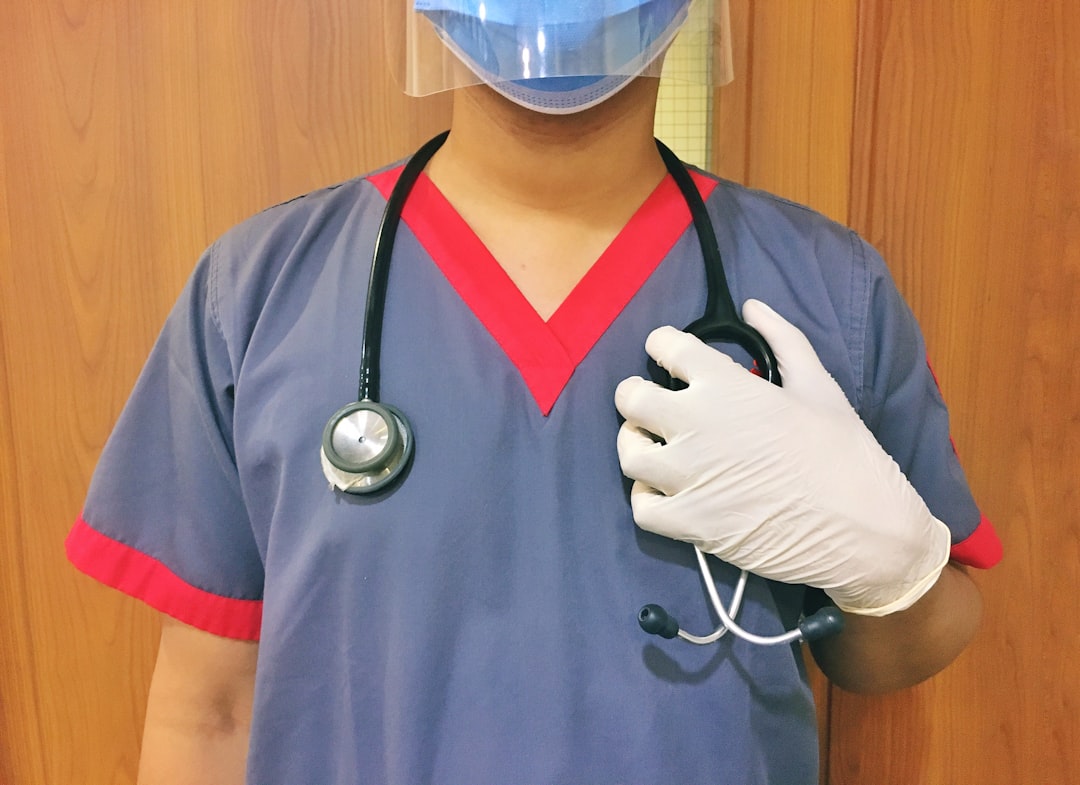
Some PCTs go on to become:
- Registered Nurses (RN)
- Licensed Practical Nurses (LPN)
- Paramedics
- Medical Assistants
- Occupational or Physical Therapy Aides
The experience you gain is golden when applying for nursing school or other programs. Plus, many employers love promoting from within.
Perks of Being a PCT
Let’s be honest—every job has hard parts. But being a PCT has real rewards. Here’s why people love it:
- It’s meaningful: You improve real lives every day.
- Fast start: You can finish training in under a year.
- Job security: Healthcare is always growing.
- Flexible hours: Work days, nights, or weekends—whatever fits your life.
- Get paid to learn: Some companies even pay for nursing school if you stay with them.
And let’s not forget—the friendships you’ll build with coworkers and patients are pretty special, too.
Challenges to Think About
Like any job, being a PCT can have tough moments. It helps to know what to expect:
- Physically demanding—lots of standing and moving
- Emotionally heavy—especially when patients are in pain or pass away
- Shift work—nights, weekends, and holidays may be required
- Fast-paced—things can get hectic in hospitals
But don’t worry. You’ll get support from your team, and over time, you build strength and confidence.
Real Talk: Is It Worth It?
Yes! If you’re curious about healthcare, like helping people, and want to earn while you learn, PCT is a smart choice. It’s more than just a job—it’s a first step toward a lifetime of making a difference.
And you’ll get a front-row seat to the action in hospitals and clinics. Not many jobs can offer that!
Final Thoughts
Becoming a Patient Care Technician can open many doors. You learn, grow, and care—all at the same time. Whether you stay a PCT or use it as a launchpad for something bigger, you’ll always know you started in the heart of healthcare.
So, if you’re ready to make a move, grab that scrubs uniform and jump in—the world of patient care is waiting for you!
