
The word Wasatha might not be widely known outside academic or philosophical circles, but its implications and applications are highly relevant to today’s world. Rooted in profound Islamic thought, it embodies balance, moderation, and the pursuit of virtuous equilibrium in all aspects of life. In a global society increasingly polarized in opinions, lifestyles, and ideologies, the principle of Wasatha offers a deeply needed path to harmony and ethical living.
TLDR:
Wasatha is an Arabic term that translates to moderation or balance, deeply rooted in Islamic philosophy. It advocates a middle path between extremes, encouraging ethical behavior, fairness, and justice. Its origins lie in religious texts but its principles are universally applicable across cultures and lifestyles. In our modern age, Wasatha can guide personal life choices, public discourse, and global leadership toward healthier, more sustainable outcomes.
What Does Wasatha Mean?
Wasatha (الوسطيّة) is an Arabic word that finds its roots in classical Islamic teachings. Linguistically, it stems from the word “wasat,” which means the middle or center. The concept encourages a balanced approach in all facets of life—be it in beliefs, practices, emotions, or governance. It is commonly translated as “moderation,” “equilibrium,” or “the middle way.” This is not to be mistaken as compromise or mediocrity—it is a principled, virtuous moderation that seeks the ideal middle, not just avoiding the extremes.
Philosophical Foundations of Wasatha
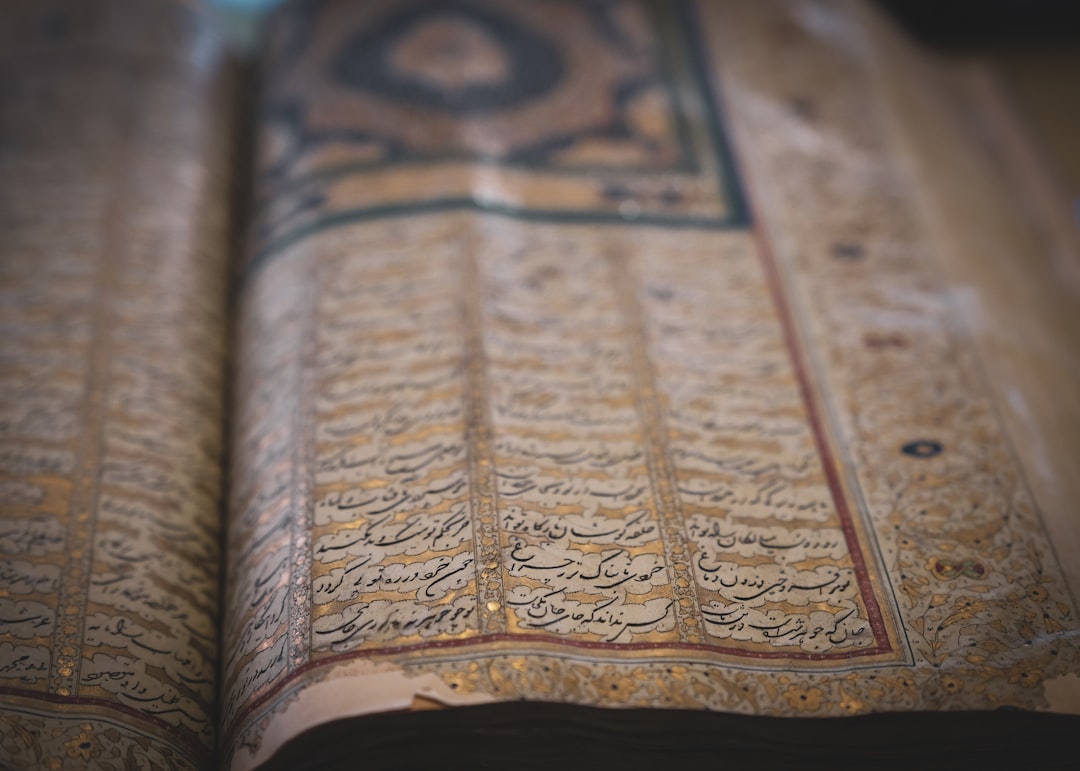
At its core, Wasatha is a deeply moral and ethical concept. Its philosophical roots are embedded in the teachings of the Quran and the Hadith (sayings of Prophet Muhammad). In Quran 2:143, Muslims are referred to as a “wasatan ummah” — a balanced or middle community. This verse positions moderation not just as a virtue, but as a defining trait of the ideal community.
Wasatha encourages:
- Justice – Ensuring fairness in dealings with others through even-handed treatment.
- Temperance – Practicing self-restraint and resisting excess.
- Respect – Upholding dignity in all interactions, never tipping toward extremism or apathy.
- Harmony – Linking spiritual beliefs with practical living in a coherent, wholesome way.
This makes Wasatha not simply a moral guideline, but a holistic philosophy for living ethically, peacefully, and wisely.
Historical and Cultural Origins
Wasatha didn’t emerge in a vacuum. It developed in response to religious, social, and political challenges faced by early Islamic societies. The early Muslim community had to navigate numerous tensions — between tribes, ideologies, and cultural norms. As they formed a unified society, the need for a guiding principle that promoted balance became imperative. Wasatha’s rise as a core element of Islamic ethical discourse was crucial in fostering social cohesion and interfaith tolerance.
Over centuries, theologians, jurists, and scholars from various Islamic schools of thought embraced Wasatha to shape legal rulings, interpret religious texts with nuance, and resolve societal disputes. It was also a guiding principle during the Islamic Golden Age, influencing intellectual pursuits, art, science, and governance.
Applications of Wasatha in the Modern World
In today’s interconnected and often fractured world, the versatility of Wasatha makes it incredibly relevant. Here are several modern-day domains where the concept can shine:
1. Personal Development and Mental Health
Moderation can lead to mental peace. Practicing Wasatha in personal life encourages emotional balance. In an era of burnout culture, digital overload, and perfectionism, Wasatha teaches us that it’s okay to retreat, recharge, and not chase extremes.
Examples include:
- Balancing work and leisure time to avoid both overwork and idleness.
- Taking a healthy approach to diet and fitness — avoiding gluttony as well as unhealthy deprivation.
- Using social media mindfully, resisting the obsession with likes, validation, or outrage.
2. Politics and Governance
Wasatha is an antidote to the politics of extremism. Policies that aim for the welfare of all, inclusive dialogue, and legislative fairness benefit greatly from Wasatha. Leaders embracing moderation are more likely to bring long-term stability and trust to their constituencies.
For instance:
- Governments can use Wasatha to create balanced laws respecting both individual liberties and social responsibilities.
- Public discourse shaped by Wasatha encourages respectful debate over polarization.
3. Religion and Interfaith Dialogue
Wasatha allows for religious coexistence and intercultural understanding. It encourages believers to live their faith deeply while respecting others’ right to do the same. This attitude reduces the risk of religious fanaticism and builds peace across communities.
Moderate religious voices can use Wasatha to counter radical interpretations, focus on shared values, and promote social unity.

4. Environmental Ethics
Perhaps more than ever, the planet needs moderation. Overconsumption, industrial exploitation, and disregard for ecosystems result from an extreme, short-sighted view of progress. Applying Wasatha encourages sustainable living—taking only what is needed and preserving resources for future generations.
Examples include:
- Conscious consumerism—buying less, buying mindfully.
- Promoting sustainability in fashion, food production, and travel.
- Community-led recycling and conservation efforts.
5. Education and Intellectual Discourse
The principle of moderate thinking translates into educational values as well. Rather than promoting rote extremism toward one ideology or way of thought, Wasatha encourages open-mindedness, critical thinking, and balanced discourse — essential traits for democratic societies and healthy campuses.
Academic institutions using Wasatha as a lens can foster environments that celebrate diversity of thought while discouraging polarization, intolerance, and echo chambers.
Wasatha Misunderstood: What It Is Not
It’s important to dispel some misconceptions about Wasatha:
- It is not weakness. Moderation doesn’t mean inaction. It’s a conscious and deliberate choice to pursue balance over chaos.
- It is not compromise at the cost of truth. Wasatha respects justice. It doesn’t promote appeasement but strives for fairness.
- It is not neutrality. Being balanced does not mean lacking an opinion—it means forming well-considered, ethical opinions that avoid destructive extremes.
Wasatha as a Universal Principle
While Wasatha has Islamic roots, its wisdom transcends religious boundaries. Many other philosophical and spiritual systems advocate for moderation—be it Aristotle’s “Golden Mean,” Buddhism’s “Middle Way,” or Confucianism’s notion of harmony.
This makes Wasatha a truly universal value. In a world characterized by speed, pressure, and polarizing forces, Wasatha reminds us to be measured, conscious, and just. It asks important questions: Are we being fair? Are we listening to all sides? Are we pursuing long-term wellbeing or short-term gratification?
Final Thoughts: Embracing Wasatha Today
Wasatha is not just a concept for theologians or philosophers. It’s a living, breathing approach to life. Whether in how we eat, how we speak, how we act, or how we plan our futures, applying the lens of moderation can lead to more fulfilling, ethical, and sustainable outcomes.
In increasingly extreme times, the moderate path is not just the best option—it may be the only one that secures peace and progress.
As we apply Wasatha across modern sectors—from politics to wellness, from climate to technology—we not only reconnect with ancient wisdom but also forge a more balanced, humane world.
