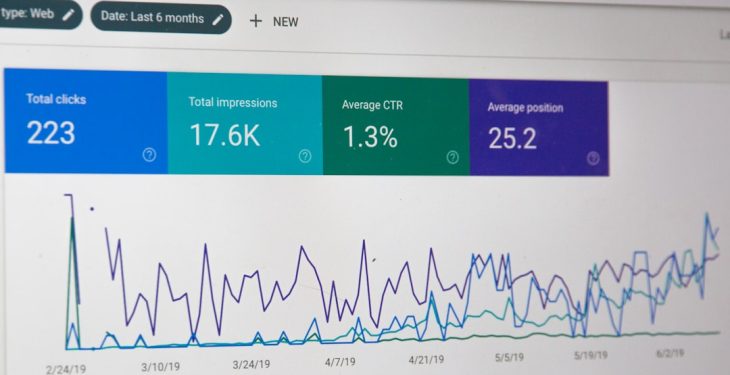
Artificial intelligence has transformed the way organizations understand and manage their workforce. Modern people analytics platforms no longer rely solely on historical HR reports—they use predictive modeling, natural language processing, and machine learning to surface patterns that would otherwise remain hidden. As talent shortages intensify and workforce expectations shift, leaders increasingly turn to AI-powered tools to make evidence-based decisions about hiring, engagement, retention, and performance.
TLDR: AI-powered people analytics platforms help organizations transform workforce data into predictive, actionable insights. These tools support hiring, retention, engagement, diversity, workforce planning, and performance optimization. The 14 platforms highlighted below represent some of the most trusted and innovative solutions in the market. Choosing the right one depends on organizational size, goals, and data maturity.
Below are 14 leading people analytics platforms powered by AI that help companies gain strategic visibility into their workforce.
1. Visier People
Visier is widely recognized as a leader in people analytics, offering advanced predictive modeling and workforce planning capabilities. Its AI models analyze patterns in hiring, promotion, attrition, and performance to uncover risk factors and opportunities.
- Predictive attrition modeling
- Workforce planning simulations
- DEI and compensation analytics
- Executive-ready dashboards
Visier is particularly suited for mid-sized and large enterprises seeking structured, scalable analytics solutions.
2. Workday People Analytics
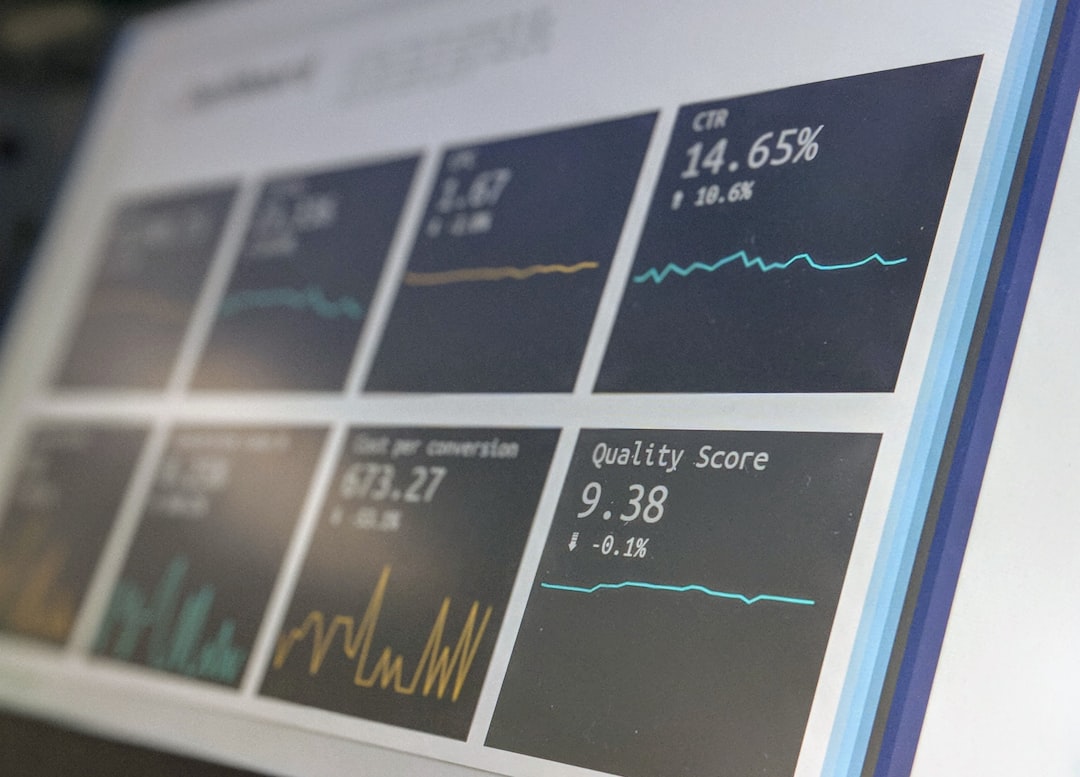
Integrated into the Workday HCM ecosystem, Workday People Analytics offers AI-driven insights embedded directly within HR workflows. The platform surfaces automated insights without requiring deep technical expertise.
- Natural language insights
- Skills analysis and talent mapping
- Internal mobility recommendations
- Bias detection tools
Its seamless integration makes it ideal for organizations already operating within the Workday environment.
3. SAP SuccessFactors Workforce Analytics
SAP combines traditional workforce reporting with intelligent forecasting. Its AI layer enables organizations to anticipate turnover risks, identify skills gaps, and monitor organizational health in real time.
Large global enterprises benefit from SAP’s strong governance features, making it especially effective in complex regulatory environments.
4. Eightfold AI
Eightfold focuses heavily on talent intelligence. Its AI analyzes millions of career paths and skills data points to recommend candidates, internal mobility moves, and upskilling opportunities.
- Skill adjacency analysis
- AI-driven talent marketplace
- Career path optimization
- Workforce diversity insights
Its strength lies in its capacity to infer potential rather than relying solely on job history.
5. ChartHop
ChartHop offers dynamic organizational planning combined with intuitive visualization capabilities. While not traditionally positioned as an AI-first company, its predictive modeling capabilities enhance headcount planning and compensation analytics.
Leaders value its visual org charts linked to live workforce metrics, making strategic planning more accessible across departments.
6. Crunchr
Crunchr is built specifically for people analytics teams needing robust data modeling without extensive IT dependency. It centralizes HR data and applies machine learning to identify workforce trends.
- Attrition forecasting
- Compensation equity analysis
- Workforce cost modeling
- Diversity analytics
Its user-friendly analytics interface supports HR professionals without advanced data science expertise.
7. Oracle Fusion HCM Analytics
Oracle integrates AI insights directly into its broader enterprise ecosystem. The platform emphasizes real-time analytics and prescriptive recommendations.
Standout Capabilities:
- Flight risk predictions
- Performance trend identification
- Automated anomaly detection
- Strategic workforce forecasting
Its strength lies in combining operational HR data with financial and operational datasets.
8. Glint (by LinkedIn)
Glint focuses on employee engagement analytics powered by natural language processing. It analyzes survey responses and open-text comments to identify sentiment patterns.

With real-time dashboards and manager-specific action plans, Glint emphasizes translating insights into measurable engagement improvements.
9. CultureAmp
CultureAmp blends engagement surveys, performance management, and AI-powered people insights. Its algorithms identify themes in qualitative feedback and benchmark results across industries.
Organizations value its ability to provide actionable recommendations rather than just high-level metrics.
10. Peakon (by Workday)
Peakon delivers continuous listening capabilities with predictive insights into employee engagement drivers. Its AI engine prioritizes actions for managers based on impact potential.
- Driver analysis modeling
- Automated action planning
- Engagement heatmaps
- Retention risk signals
Continuous employee feedback helps organizations stay proactive rather than reactive.
11. Gloat
Gloat specializes in AI talent marketplaces. It matches employees to internal projects, gigs, and career opportunities using skills intelligence.
Rather than relying solely on static resumes, Gloat’s engine uses dynamic project-based matching to maximize internal mobility and employee development.
12. Lattice Analytics
Lattice combines performance management and engagement insights within a unified platform. Its analytics module highlights performance trends, goal alignment issues, and manager effectiveness metrics.
Key Benefits:
- Goal alignment insights
- Employee development tracking
- Performance trend visualization
- Manager coaching data
The emphasis is on connecting performance outcomes to engagement and development practices.
13. SeekOut
SeekOut focuses on AI-enhanced talent acquisition analytics. It aggregates external labor market data and combines it with internal workforce data to improve recruitment strategy.
- Talent pool mapping
- Diversity sourcing analytics
- Labor market intelligence
- Competitive benchmarking
Its data-rich environment provides recruiters with both macro and micro-level hiring intelligence.
14. One Model
One Model is an enterprise-grade people analytics platform built for advanced data integration and storytelling. It emphasizes creating a single, accurate source of truth across multiple HR systems.
Its machine learning models enable predictive scenarios across turnover, hiring velocity, and leadership development outcomes.
Key Trends Driving AI in People Analytics
The platforms above reflect broader shifts in HR analytics maturity. Several key trends explain their rapid adoption:
- From Reporting to Prediction: Moving beyond dashboards to modeling future workforce scenarios.
- Skills-Centric Talent Strategies: AI infers skills from work history and project participation.
- Continuous Listening: Real-time sentiment analysis replaces annual engagement surveys.
- Embedded Intelligence: Insights appear directly inside workflow tools rather than requiring separate analysis.
- Responsible AI Governance: Bias mitigation, explainability, and ethical oversight are increasingly critical.
How to Select the Right Platform
While AI capabilities attract attention, prudent selection requires strategic clarity. Organizations should evaluate:
- Data infrastructure maturity
- Integration compatibility with existing HCM systems
- Scalability for growth
- Data privacy and compliance frameworks
- Internal analytics expertise
Smaller organizations may prefer user-friendly platforms with guided analytics, while global enterprises often require advanced modeling, customization, and governance controls.
The Strategic Value of AI-Powered People Analytics
When implemented effectively, AI-powered people analytics platforms shift HR from reactive administration to proactive strategy. Executives gain predictive visibility into talent risk, engagement drivers, and workforce productivity. HR leaders can translate complex datasets into clear narratives that inform board-level decisions.
Nevertheless, organizations must balance automation with human judgment. AI models enhance decision-making but do not replace ethical leadership, contextual interpretation, or cultural understanding. The most successful organizations use AI as a decision-support system, not a decision-maker.
As workforce complexity increases, people analytics platforms powered by AI will likely become foundational infrastructure rather than optional tools. Companies that invest early, prioritize data governance, and cultivate analytical literacy will be better positioned to attract, retain, and develop talent in an increasingly competitive landscape.
In conclusion, the future of workforce strategy lies at the intersection of human insight and artificial intelligence. The platforms listed above represent some of the most credible and capable solutions currently available—each designed to help organizations transform raw people data into sustainable competitive advantage.
