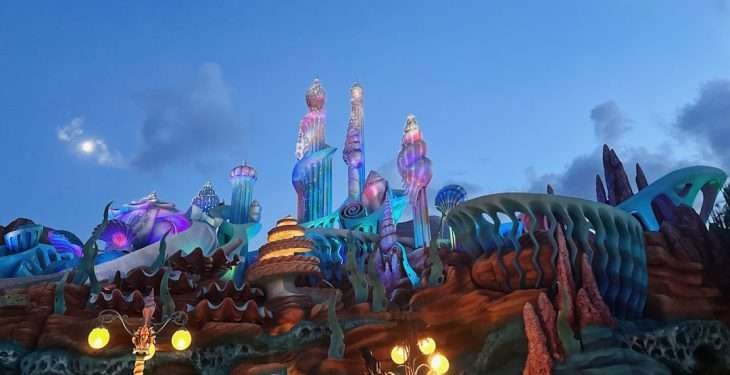
Artificial intelligence has rapidly transformed the way visual content is created, shared, and consumed. Among the most exciting developments are AI image generation tools like Midjourney, which allow users to turn simple text prompts into detailed, imaginative visuals in seconds. What once required hours of design work, advanced software knowledge, and artistic skill can now be achieved by describing an idea in words. These tools are reshaping industries from marketing and publishing to entertainment and education.
TLDR: AI image generation tools like Midjourney use advanced machine learning models to transform text prompts into high-quality visuals in seconds. They are revolutionizing industries such as marketing, design, gaming, and education by lowering creative barriers and accelerating production. While they offer speed, accessibility, and experimentation, they also raise important ethical and legal questions. Understanding both their capabilities and limitations is key to using them effectively.
What Are AI Image Generation Tools?
AI image generation tools are software systems powered by deep learning models trained on massive datasets of images and text. By analyzing patterns in visual data and language descriptions, these models learn how to connect words with visual elements such as color, composition, style, lighting, and perspective.
When a user types a prompt like “a futuristic city floating above the clouds at sunset”, the AI interprets each component and generates a unique image that matches the description. Tools like Midjourney, along with other generative platforms, rely on techniques such as diffusion models and neural networks to progressively refine noise into detailed artwork.
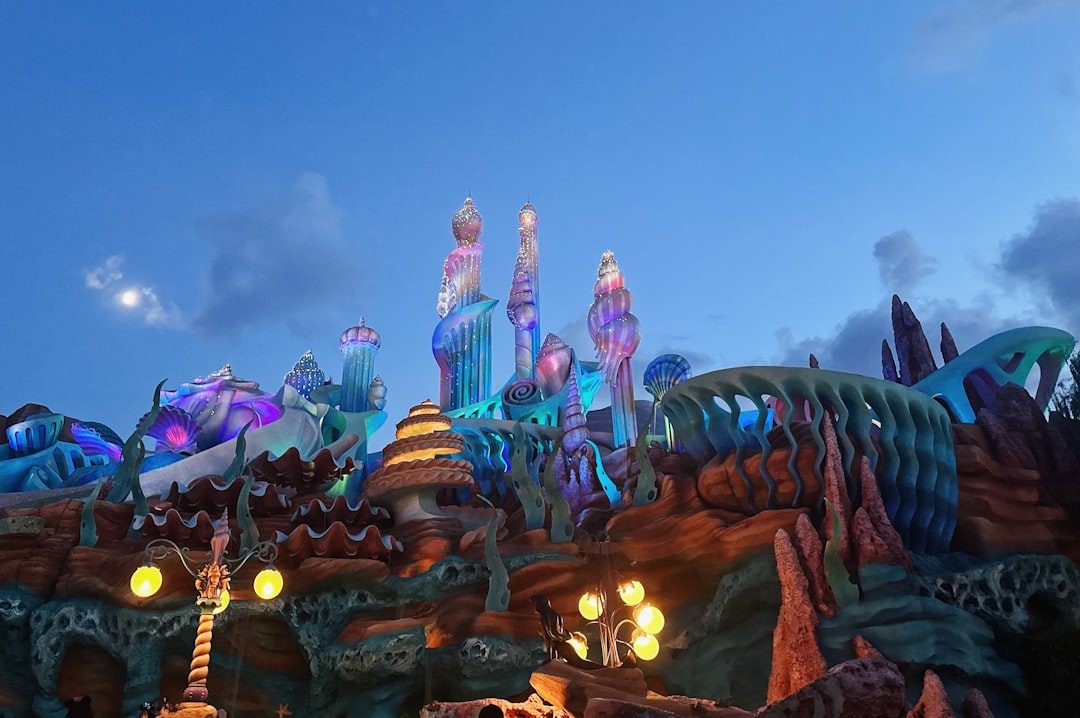
What makes these tools remarkable is not just their technical sophistication but their accessibility. You do not need to be a professional designer to produce compelling visuals. The barrier to entry has dramatically lowered, opening creative opportunities to:
- Entrepreneurs creating marketing materials
- Writers designing book covers or concept art
- Marketers producing custom visuals for campaigns
- Game developers prototyping characters and environments
- Educators generating visual learning aids
How AI Image Generation Works
Most modern AI image generators rely on diffusion-based models. In simple terms, the system learns how to turn random visual noise into an image that matches a text description. During training, the AI sees millions (or even billions) of image-text pairs. It gradually learns how specific words relate to textures, objects, styles, and compositions.
The generation process generally involves:
- Text Encoding: The written prompt is converted into numerical data that the model can understand.
- Noise Initialization: The system starts with a field of random noise.
- Iterative Refinement: Through multiple steps, the AI removes noise while shaping the image according to the prompt.
- Final Rendering: The output is polished into a coherent, high-resolution image.
The result often feels astonishingly creative, even though the system is fundamentally pattern-based. It does not “understand” meaning as humans do, but it excels at generating visuals that align with learned associations.
Why Midjourney Became So Popular
Midjourney gained rapid popularity thanks to several core strengths:
- High Aesthetic Quality: It often produces painterly, cinematic, and stylized outputs that appeal to artists.
- Strong Community Integration: Originally built around chat-based platforms, it allowed users to see and learn from others’ prompts.
- Prompt Flexibility: Users can experiment with descriptive language, styles, and parameters.
- Consistent Artistic Flair: Outputs often appear curated and imaginative rather than purely literal.
This blend of quality and accessibility turned AI image generation into a mainstream creative tool rather than a niche technical experiment.
Creative Applications Across Industries
AI-generated images are not just novelties. They are increasingly embedded into professional workflows.
1. Marketing and Advertising
Brands use AI image generators to prototype campaign concepts, design social media graphics, and create unique visual assets without expensive photoshoots. This allows for rapid experimentation with themes, moods, and branding directions.
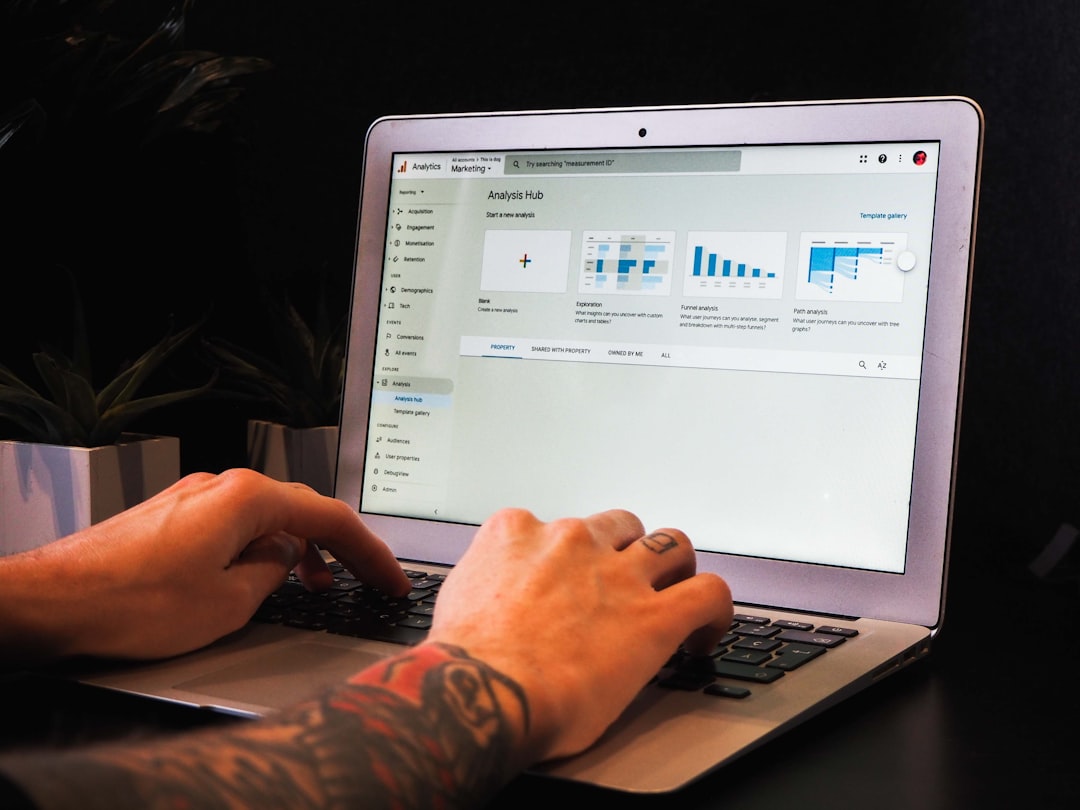
Benefit: Faster turnaround times and lower production costs.
2. Entertainment and Gaming
Game developers and filmmakers use AI-generated images for concept art, character inspiration, and world-building. Instead of waiting weeks for sketches, teams can generate multiple creative directions in minutes.
This accelerates:
- Character design iterations
- Environment development
- Mood board creation
- Visual storytelling experiments
3. Publishing and Content Creation
Authors and bloggers use AI tools to create book covers, illustrations, and article visuals. While not always replacing professional designers, these tools enable independent creators to produce visually appealing content on tight budgets.
4. Education and Training
Teachers can generate historical scenes, scientific diagrams, or imaginative visual examples to engage students. Complex ideas become more accessible when paired with relevant imagery.
The Art of Writing Effective Prompts
Creating compelling AI-generated visuals depends heavily on prompt design. A vague prompt may yield generic results, while a detailed one can produce striking imagery.
Effective prompts often include:
- Subject: What is the main focus?
- Style: Is it realistic, watercolor, cyberpunk, minimalist?
- Lighting: Soft morning light, neon glow, dramatic shadows?
- Camera Angle: Close-up, wide-angle, aerial view?
- Mood: Joyful, mysterious, dystopian, serene?
For example, instead of writing “castle”, a more detailed prompt would be: “ancient stone castle on a cliff overlooking stormy seas, dramatic lighting, cinematic realism, ultra detailed”.
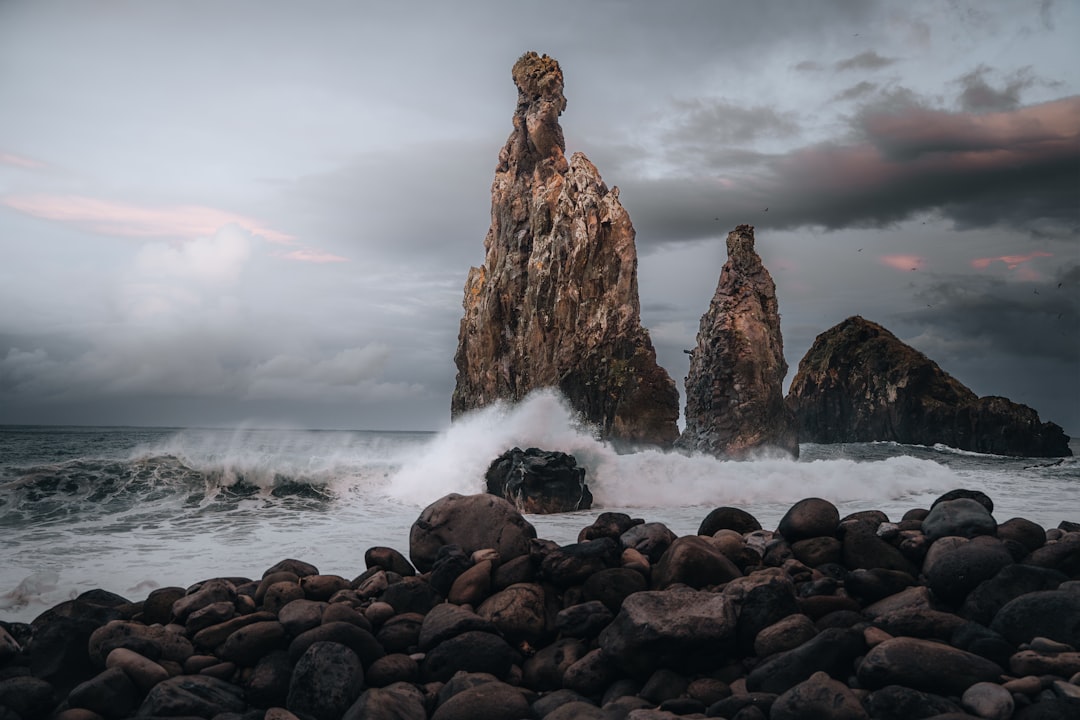
The difference in output quality can be dramatic. As a result, prompt engineering has emerged as a creative skill in its own right.
Advantages of AI Image Generation
The rapid adoption of tools like Midjourney is driven by several clear advantages:
- Speed: Images can be generated in seconds.
- Cost Efficiency: Reduced need for expensive equipment or large teams.
- Creative Exploration: Users can quickly test many visual ideas.
- Accessibility: No advanced design training required.
- Customization: Highly tailored visuals based on specific needs.
Perhaps most importantly, these tools empower individuals who previously lacked access to professional design resources.
Limitations and Challenges
Despite their strengths, AI image generators are not without flaws.
- Inconsistency: Hands, text elements, and complex details may appear distorted.
- Prompt Sensitivity: Small wording changes can drastically alter results.
- Lack of True Understanding: The AI predicts patterns rather than comprehending meaning.
- Over-Reliance Risk: Creativity can become overly dependent on automated systems.
Additionally, the question of originality remains complex. AI systems generate new images but are trained on vast existing datasets. This has led to debates about artistic ownership, copyright, and compensation.
Ethical and Legal Considerations
The growth of AI image generation has sparked important conversations.
Copyright Issues: Who owns AI-generated art? The user, the platform, or no one? Laws vary by jurisdiction and are still evolving.
Artist Concerns: Some artists argue that their works were used in training datasets without consent. This has fueled calls for more transparent training practices.
Misuse Risks: AI-generated images can be used to create misleading or deceptive visuals, including deepfake-style content.
As the technology matures, regulation and best practices will likely develop alongside it.
The Future of AI-Driven Visual Creation
The next generation of AI image tools is expected to offer:
- Greater realism and anatomical accuracy
- Improved text rendering within images
- More consistent character generation
- Advanced editing capabilities
- Integrated video and animation features
We are already seeing convergence between image, video, and 3D generation technologies. Soon, users may be able to create entire immersive environments from a single written concept.
Rather than replacing human creativity, AI image generation tools are better understood as creative amplifiers. They extend imagination, accelerate workflows, and enable experimentation at an unprecedented scale.
Conclusion
AI image generation tools like Midjourney represent a turning point in visual content creation. By translating language into imagery, they bridge the gap between imagination and execution. Professionals and hobbyists alike can now generate powerful visuals with little more than a well-crafted prompt.
However, as with any transformative technology, responsible use is essential. Understanding the strengths, limitations, and ethical implications of AI-generated imagery helps ensure that it enhances rather than diminishes human creativity.
In the end, these tools are not about replacing artists or designers. They are about opening new creative pathways—where words become worlds, and ideas instantly take visual form.
