
Choosing field marketing software is a high-stakes decision for organizations that rely on regional sales representatives, brand ambassadors, retail execution teams, roadshow staff, or event marketers. The right platform can improve visibility, standardize execution, accelerate lead capture, and give management reliable performance data across territories. The wrong platform can create administrative burden, fragmented reporting, and poor adoption among the people who are supposed to use it every day.
TLDR: The best field marketing software for distributed sales and events teams should combine mobile-first execution tools, CRM integration, event lead capture, task management, reporting, and territory visibility. Strong options include platforms focused on retail execution, field sales productivity, event marketing, and integrated revenue operations. Before selecting a vendor, evaluate how well the software supports your team’s real workflows, not just its feature list. Prioritize ease of use, data quality, integrations, and the ability to scale across regions.
What Field Marketing Software Should Do
Field marketing software helps organizations coordinate work that happens outside headquarters: in stores, at trade shows, on campuses, at partner locations, during product demos, and across geographic sales territories. For distributed teams, the software becomes the operational backbone that connects headquarters strategy with local execution.
At a minimum, a serious field marketing platform should support planning, execution, documentation, and measurement. Teams need to know where to go, what to do, which materials to use, how to capture results, and how to report outcomes. Managers need confidence that field activities are being completed consistently and that the data coming back from the field is accurate enough to guide decisions.

Key Features to Look For
While field marketing teams vary widely, the strongest software platforms tend to share several important capabilities. These features matter especially when teams are distributed across regions, stores, venues, or territories.
- Mobile-first task management: Field staff should be able to view assignments, complete checklists, upload photos, and submit notes from a phone or tablet.
- Lead capture and qualification: Event teams need fast badge scanning, form creation, consent capture, and automated routing to sales.
- CRM integration: Data should flow into systems such as Salesforce, HubSpot, Microsoft Dynamics, or other revenue platforms without manual exports.
- Territory and visit planning: Sales and retail teams benefit from route planning, account prioritization, visit histories, and location-based assignments.
- Asset and collateral management: Distributed teams need access to approved presentations, brochures, product sheets, pricing documents, and campaign materials.
- Real-time reporting: Leadership should see activity completion, lead volume, conversion quality, store conditions, event performance, and regional trends.
- Photo and compliance verification: For retail execution and brand activation, images can verify displays, signage, shelf placement, and event setup.
Best Overall Field Marketing Software Categories
There is no single best platform for every organization. A consumer goods company managing thousands of retail visits has different needs from a B2B software company running trade shows and regional dinners. The most practical way to evaluate the market is by category.
1. Retail Execution and Field Sales Platforms
Retail execution software is designed for teams that visit physical locations to check displays, monitor inventory, train staff, collect competitive intelligence, and confirm brand compliance. These platforms are especially valuable for consumer packaged goods, beverage, beauty, hardware, medical device, and franchise organizations.
Strong retail execution tools typically include store visit scheduling, audits, photo capture, shelf surveys, GPS verification, and manager dashboards. They help field representatives spend less time on reporting and more time improving in-store performance.
Best suited for: retail field teams, merchandising teams, regional sales representatives, route-based sales organizations, and brands managing large location networks.
Important consideration: If your team mainly runs events rather than store visits, retail execution tools may feel too operational and may lack advanced event registration or attendee engagement features.
2. Event Marketing and Lead Capture Platforms
Event-focused field marketing software is built around conferences, trade shows, roadshows, product launches, partner events, and pop-up experiences. These platforms usually support attendee registration, check-in, badge scanning, session management, lead capture, and post-event follow-up workflows.
For distributed events teams, consistency is critical. Headquarters may create the campaign strategy, but local teams often execute events in different cities. A good event marketing platform gives everyone the same approved templates, lead forms, messaging, and follow-up process.

Best suited for: B2B event marketers, demand generation teams, regional marketing managers, partner marketing teams, and organizations that rely heavily on live engagement.
Important consideration: Some event tools are excellent for registration but weaker in field activity management. If your staff also performs sales visits, demos, or retail audits, you may need integrations or a broader platform.
3. CRM-Centered Field Sales Tools
For many distributed sales teams, the CRM remains the central system of record. CRM-centered field sales tools extend CRM capabilities into the field by adding mobile account management, territory planning, activity tracking, mapping, and automated follow-up.
This category works well when the main goal is improving sales productivity and pipeline visibility. Representatives can see nearby accounts, log meetings, update opportunities, record notes, and schedule next steps without waiting until they return to a laptop.
Best suited for: B2B sales teams, account executives, territory managers, field sales representatives, and organizations with established CRM processes.
Important consideration: CRM-centered tools may not offer deep event operations, brand ambassador management, or retail-specific audit features. Their strength is sales alignment, not necessarily field marketing complexity.
Notable Software Options to Evaluate
The following platforms are commonly considered by organizations managing distributed field marketing, sales, or events operations. The best choice depends on your industry, team size, integration needs, and reporting requirements.
- Repsly: Often used by retail execution and field sales teams. It supports visit planning, store audits, photo reporting, team activity tracking, and performance dashboards.
- FORM MarketX: Built for field execution, retail audits, inspections, and operational compliance. It is suitable for organizations that require structured data collection at scale.
- Skynamo: Focused on mobile field sales management, customer visits, order taking, route planning, and sales activity visibility.
- Salesforce: A strong option for organizations that want field marketing and field sales activity connected directly to CRM, pipeline, campaigns, and customer records.
- HubSpot: Useful for smaller to mid-sized teams that want marketing, CRM, email follow-up, forms, and campaign reporting in one accessible environment.
- Cvent: A mature event management platform for registration, attendee management, event analytics, and larger corporate event programs.
- Splash: Designed for branded event experiences, event pages, guest management, and marketing integration, especially for teams running repeatable regional events.
- Bizzabo: Suitable for conferences, hybrid events, attendee engagement, sponsor management, and event performance analytics.
This list is not exhaustive, and software markets change quickly. However, these names represent the major directions buyers typically evaluate: retail execution, sales productivity, CRM alignment, and event marketing operations.
How to Choose the Right Platform
A feature comparison table can be helpful, but it should not be the only basis for your decision. Field marketing software succeeds or fails based on adoption. If regional staff find the system slow, confusing, or disconnected from their daily work, reporting quality will decline and managers will lose trust in the data.
Start by documenting your primary workflows. For example, an events team might map the process from event planning to registration, check-in, lead capture, qualification, CRM sync, and sales follow-up. A retail execution team might map territory assignment, store visit planning, shelf audit completion, photo evidence, issue escalation, and manager review.
Once workflows are clear, evaluate each platform against practical questions:
- Can field users complete their work quickly on mobile devices?
- Does the system reduce manual reporting rather than add to it?
- Can managers see real-time performance by region, representative, event, or location?
- Does it integrate reliably with your CRM, marketing automation, analytics, and data warehouse?
- Can forms, tasks, permissions, and reports be configured without excessive custom development?
- Does the vendor understand your industry and use case?
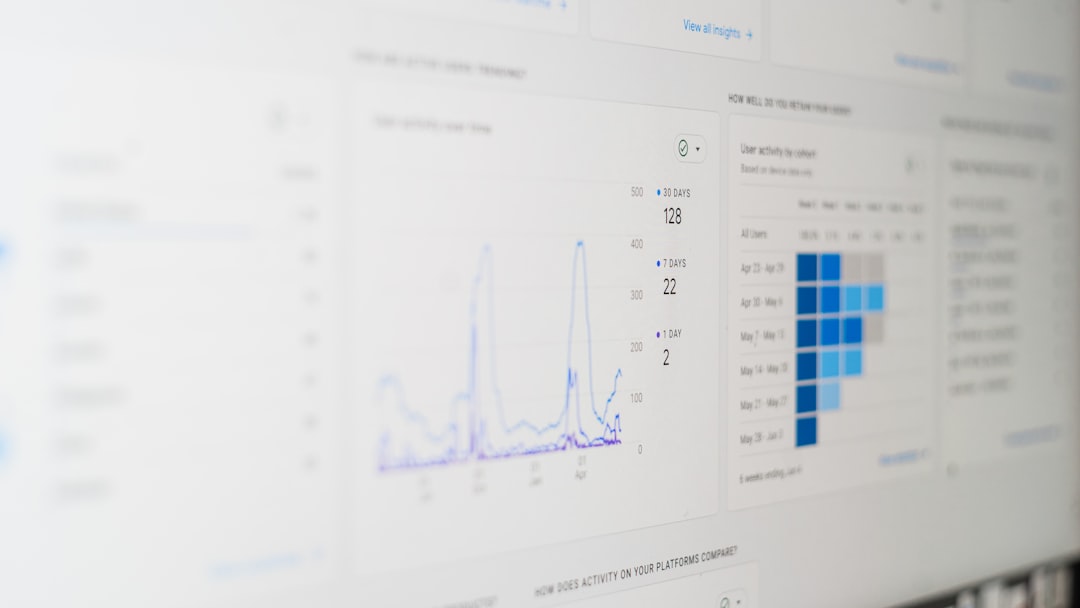
Integration and Data Quality Matter More Than Extra Features
One of the most common mistakes is choosing software with a long feature list but weak integration architecture. Distributed sales and event teams generate high-value data: leads, account insights, competitive observations, product feedback, location performance, and customer intent signals. If that data stays trapped in a separate system, the organization loses much of the value.
Look carefully at how the platform handles field data. Can it standardize form fields? Can it prevent duplicate leads? Can it sync lead scores, campaign IDs, event names, and consent details into the CRM? Can managers export clean reports without spending hours correcting spreadsheets?
Reliable data flow is especially important for B2B teams. A badge scan at a trade show is only useful if it becomes an actionable lead in the sales process. A store audit is only useful if regional managers can compare performance and act on exceptions. Software should not merely collect activity; it should turn field activity into decisions.
Security, Permissions, and Compliance
Trustworthy field marketing operations require disciplined data governance. Distributed teams often collect personal information, customer notes, photos, location data, and commercially sensitive account details. Your software should support role-based permissions, secure authentication, audit trails, and compliance with applicable privacy requirements.
For event teams, consent management is particularly important. Attendee data may be collected through badges, forms, business cards, or digital interactions. The platform should make it clear how consent is captured, stored, and transferred to downstream systems.
For retail or field sales teams, location tracking and photo documentation should be handled carefully and transparently. Employees should understand what is being tracked, why it is tracked, and how the information will be used.
Implementation Best Practices
Even strong software requires a thoughtful rollout. Begin with a pilot group representing different regions, roles, and levels of technical comfort. Use the pilot to test workflows, simplify forms, validate integrations, and identify training gaps.
Keep the first phase focused. It is usually better to launch a smaller set of essential workflows successfully than to overwhelm the team with every possible feature. Build confidence, gather feedback, and expand from there.
- Create standard operating procedures for visits, events, lead capture, reporting, and escalation.
- Train managers first so they can reinforce expectations and interpret dashboards correctly.
- Use consistent naming conventions for campaigns, events, territories, and locations.
- Review data quality weekly during the first months after launch.
- Measure adoption alongside business outcomes such as lead conversion, visit completion, and revenue influence.
Final Recommendation
The best field marketing software for distributed sales and events teams is the one that best fits your operating model. If your priority is retail visibility and execution, choose a platform with strong visit management, audits, and photo verification. If your priority is trade shows and regional events, focus on registration, lead capture, attendee engagement, and CRM follow-up. If your priority is territory sales productivity, prioritize CRM integration, mobile account access, mapping, and activity tracking.
For most organizations, the strongest choice will be a platform or connected stack that gives field teams a simple mobile experience while giving leadership accurate, timely insight. Do not buy software only for headquarters reporting. Buy software that field users will actually adopt, because adoption is what determines data quality, and data quality is what determines business value.
Field marketing is inherently complex because it happens across locations, people, customers, and live environments that cannot be fully controlled from a central office. Good software brings structure to that complexity. The right platform helps distributed teams execute consistently, capture better information, and prove the impact of field activity on pipeline, customer relationships, and revenue.
