In the fast-paced world of tech startups, first impressions can make or break potential investor relationships. Whether it’s a casual pitch at a conference or a high-stakes meeting in a boardroom, the first few seconds matter immensely. Amidst the tech innovations and VC meetings, one traditional tool still holds surprisingly great value: the humble business card — now reinvented through modern business card generators tailored for startups.
TLDR (Too Long, Didn’t Read):
Modern business card generators offer tech startups a fast, customizable, and cost-effective way to create impressive contact cards for networking with potential investors. These tools simplify the design process, integrate branding elements, and even support digital business cards. With growing competition in the startup world, having a unique, well-designed business card can provide a crucial edge during investor interactions.
The Importance of Business Cards in Tech Startup Networking
You might think business cards have become obsolete in the digital age, but they are experiencing a renaissance, especially among startups. Investors attend hundreds of events, meet dozens of founders, and receive countless pitches. A tangible, well-designed business card helps you stand out and serves as a memorable point of contact long after the initial conversation.
Here’s why business cards still pack a punch:
- Professionalism: Offering a ready-to-hand business card demonstrates preparation and seriousness.
- Brand Representation: A good card reflects your startup’s identity, colors, tone, and mission at a glance.
- Physical Reminder: Unlike digital contacts that may get lost in email lists, a card often remains on desks or in wallets, offering a periodic reminder of your conversation.
What Are Business Card Generators?
Business card generators are online platforms or applications designed to help users create professional-grade business cards without needing graphic design skills. They often offer templates, customization options, and export features that are useful for printing or digital sharing.
For tech founders especially — often juggling everything from code to customer service — these tools save valuable time and resources. But the best tools go beyond basic design. They come equipped with features like QR code integration, logo management, and even AI-generated content suggestions.
Key Features to Look for in a Business Card Generator
When choosing a generator to help you create the perfect card for networking events or pitch meetings, consider the following features:
- Template Variety: Startups often want a look that is modern, clean, and aligns with the tech industry. Choose a tool that offers design templates tailored for tech professionals.
- Customization: Look for options to change font styles, add logos, brand colors, and even taglines or QR codes.
- Digital Integration: Can the card be turned into a vCard or a sharable online profile link? Crucial for hybrid networking environments.
- Print Optimization: Ensure high-resolution output suitable for professional printing.
- Multi-format Export: PDFs, JPEGs, PNGs, and .vcf file support can offer flexibility across mediums.
Top Business Card Generators for Tech Startups
Here are some popular and feature-rich options that are especially relevant for startup founders:
- Canva: User-friendly with a drag-and-drop interface. Great for beginners and supports brand kits for startups.
- Vistaprint: Offers both design tools and printing/shipping services, making it a one-stop-shop.
- Zazzle: Known for pre-designed templates that suit tech industries. Offers gloss and matte finishes for physical cards.
- HiHello: Ideal for creating digital cards with built-in CRMs and contact tracking — perfect for remote investor meetings.
- Adobe Express: Best suited for those who want more advanced editing but still accessible via templates.
Design Tips for Maximum Impact
A well-designed business card is more than just placing your name and number on a rectangle. It’s about strategy. Here are some best practices:
- Keep It Minimal: Don’t overcrowd the card with unnecessary info. Think essentials: Name, title, company, contact, and website or LinkedIn.
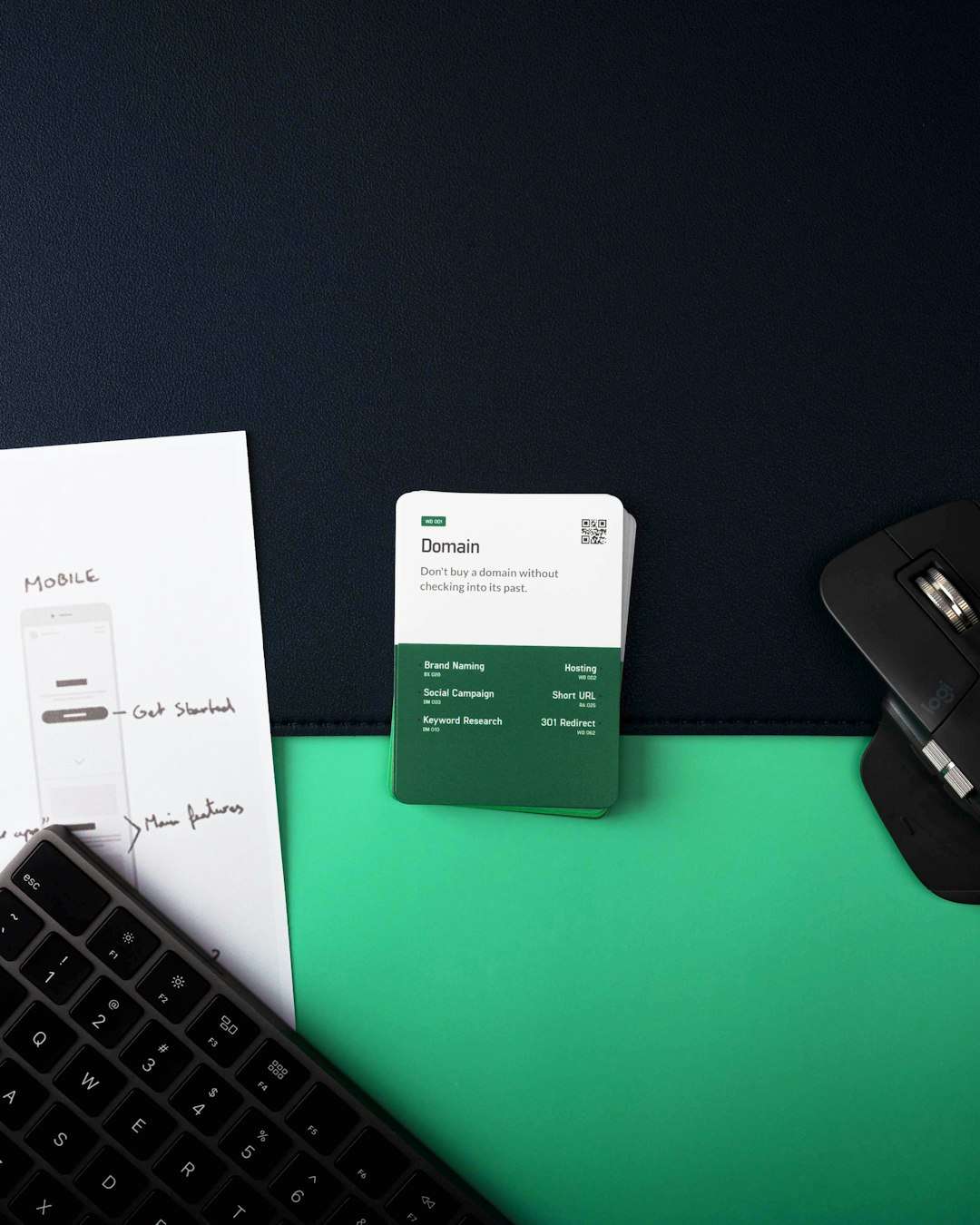
- Use QR Codes: They offer a slick way to link to your pitch deck, startup website, or digital contact card.
- Consistent Branding: Use your startup’s color palette and logo to maintain brand identity.
- Readable Fonts: Avoid overly decorative fonts. Prioritize readability, especially on smaller screens for digital cards.
- Backside Utility: Leave the back blank if you’re writing personal notes or use it to provide a one-sentence value proposition of your startup.
How Business Card Generators Align with Startup Needs
Startups are lean, agile, and focus heavily on time optimization. Using a card generator means reducing the dependency on hiring a designer — saving both cash and coordination headaches. Many tools even offer branding kits that make it easy to reuse the same visual themes across different mediums including pitch decks, email signatures, and merchandise.
Additionally, most startups benefit from rapid iteration. Whether rebranding after seed funding or scaling up a new division, these tools let you quickly spin up new designs without going back to the drawing board.

Digital Business Cards: The New Frontier
As remote networking grows, especially post-pandemic, digital business cards are becoming a smart supplement (or even replacement) to the physical version.
Many smart business card generators offer downloadable links, scannable QR codes, or NFC-enabled cards that investors can tap with their smartphones to save your contact. This not only feels modern but also helps track engagement, especially with platforms that offer analytics.
Case Study: Startup Success Through Business Cards
Consider “Bytezen,” a real-world SaaS startup that began showcasing their brand at accelerator expos. They used HiHello to create QR-code-based business cards integrated with CRM tracking. The co-founders reported that nearly 40% of their investor contacts post-event came from people who had scanned their cards. The exposure wouldn’t have been as effective with traditional networking methods alone.
Bytezen also used Canva to align all printed materials — business cards, brochures, and slide decks — for a uniform appearance. Their attention to visual details and accessibility played a key role in securing early-stage funding.
Future Trends in Networking and Business Cards
As AR and AI become normalized, future versions of digital cards might support dynamic portfolios, real-time tracking or even embedded video intros. Imagine introducing your startup not just with contact info but through a 30-second pitch embedded into your card’s QR code. The tools are evolving fast, and startups that adapt early gain a competitive edge.
Final Thoughts
Even in the constantly transforming world of tech startups, the fundamentals of personal connections and branding remain critical. Business card generators — both traditional and digital — provide a turbocharged way for startups to leave a mark during interactions with investors.
Investors receive hundreds of emails and LinkedIn messages, but a sleek, well-thought-out business card (physical or digital) serves as a tangible symbol of your professionalism and vision. With the right tools, every startup can create cards that resonate, reflect their brand, and most importantly — get remembered.
