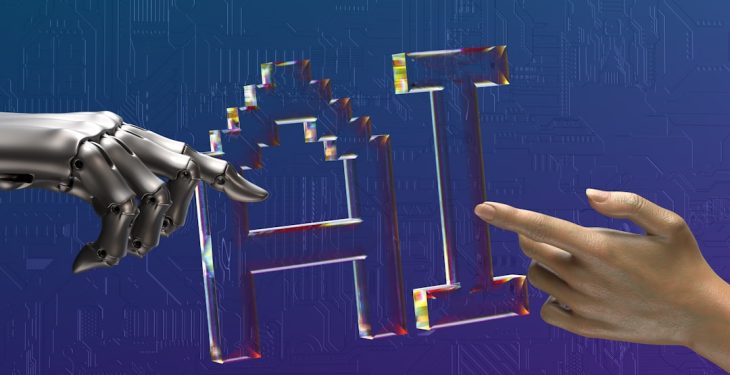
Events have always been about bringing people together, but in 2026 the way people gather, connect, learn, buy, and remember experiences is being reshaped by technology. Digital transformation in events is no longer limited to livestreaming a keynote or using an event app. It now includes AI-powered planning, immersive environments, real-time audience intelligence, automated personalization, smarter venue operations, and hybrid experiences that feel intentional rather than improvised. For organizers, brands, venues, and attendees, the next phase of event innovation is about using technology not as a novelty, but as a strategic layer that improves every moment of the event journey.
TLDR: In 2026, digital transformation in events will focus on AI, personalization, immersive experiences, data-driven planning, and hybrid engagement. Successful organizers will use technology to improve attendee journeys before, during, and after the event rather than simply adding digital tools for convenience. The biggest advantage will go to teams that combine automation with human creativity, strong data governance, and measurable business goals.
The New Meaning of Digital Transformation in Events
Digital transformation used to mean replacing paper tickets with QR codes or adding a virtual viewing option. In 2026, it means rethinking the entire event operating model. Registration, marketing, networking, content delivery, sponsor visibility, lead capture, accessibility, feedback, and post-event nurturing are increasingly connected through integrated platforms.
The most advanced events are becoming intelligent ecosystems. Data flows from attendee profiles into agenda recommendations, networking suggestions, capacity planning, staffing decisions, and sponsor reporting. Instead of treating technology as a collection of separate tools, leading organizers are building connected event stacks that create smoother experiences and clearer business outcomes.
This shift is especially important because attendees now expect events to feel as seamless as the digital services they use every day. They want easy check-in, relevant sessions, instant updates, personalized recommendations, flexible formats, meaningful networking, and content they can revisit later. In other words, people do not want technology to get in the way of the event; they want it to make the event feel more valuable.
Trend 1: AI Becomes the Event Co-Pilot
Artificial intelligence will be one of the most influential event technologies in 2026. Rather than replacing event professionals, AI will act as a co-pilot for planning, operations, marketing, and attendee engagement. It can help teams forecast attendance, identify audience segments, write campaign variations, summarize session feedback, recommend content, and automate repetitive communications.
For attendees, AI can create personalized schedules based on interests, job roles, past behavior, or stated goals. A first-time visitor at a large conference might receive recommendations for beginner sessions, nearby exhibitors, relevant networking groups, and quieter lounge areas. A returning executive might be guided toward private roundtables, high-value meetings, and industry-specific insights.
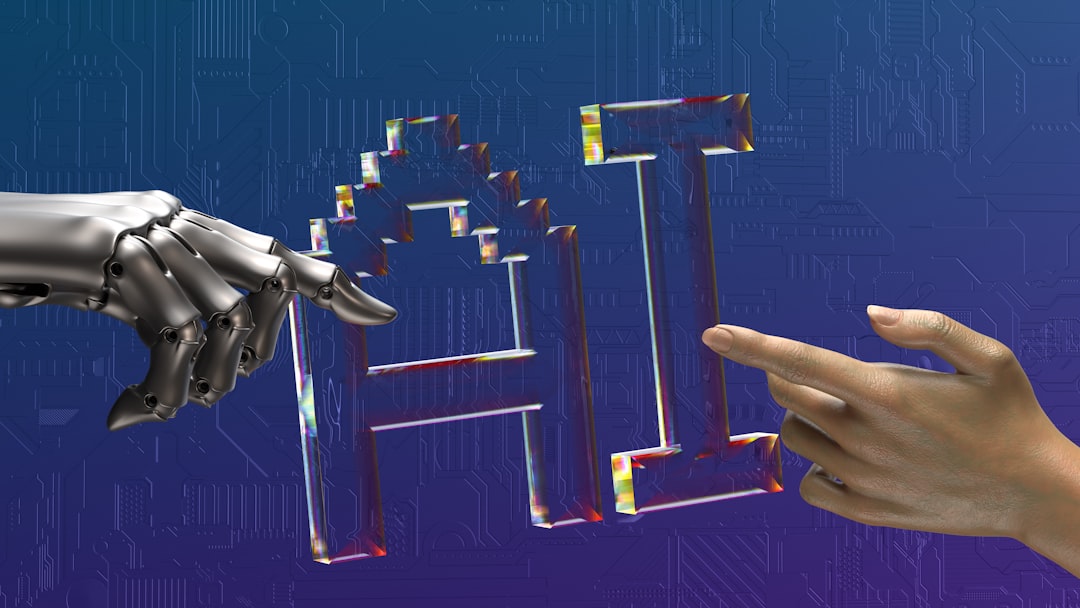
AI-powered chat assistants will also become more common. These assistants can answer questions about session locations, food options, accessibility services, parking, speaker bios, and agenda changes in real time. For organizers, this reduces pressure on help desks and improves attendee satisfaction. However, AI should be implemented carefully. The best strategies include transparent data use, human escalation options, and regular quality checks to prevent inaccurate or generic responses.
Trend 2: Hyper-Personalized Attendee Journeys
Personalization will move beyond using a person’s first name in an email. In 2026, event platforms will increasingly tailor the entire journey: pre-event content, registration paths, session recommendations, networking prompts, push notifications, exhibitor suggestions, and post-event resources.
This level of personalization works best when organizers collect useful data without overwhelming attendees. A short preference survey during registration can reveal why someone is attending, what topics they care about, which formats they prefer, and whether they want networking opportunities. Combined with behavioral data, this information can power more relevant experiences.
Examples of hyper-personalization include:
- Dynamic agendas that recommend sessions based on goals and interests.
- Smart networking that connects attendees with similar challenges or complementary expertise.
- Targeted sponsor offers that feel useful rather than intrusive.
- Personal content libraries generated after the event based on sessions attended or bookmarked.
- Adaptive communications that change depending on attendee behavior and engagement level.
The key is relevance. Personalization should help attendees make better decisions, save time, and discover value they might otherwise miss. If it feels invasive or overly automated, it can quickly reduce trust.
Trend 3: Hybrid Events Mature into Connected Experiences
Hybrid events are no longer experimental. By 2026, the strongest hybrid strategies will not treat virtual audiences as secondary viewers. Instead, they will design separate but connected experiences for in-person and remote participants.
A strong hybrid model includes professional-quality streaming, interactive virtual sessions, digital sponsor booths, remote networking, live polling, moderated Q&A, and content available on demand. However, the real improvement comes from designing moments where both audiences can participate meaningfully. For example, a live panel might include questions from both the room and the online platform, while networking sessions could include facilitated small-group video discussions based on shared interests.
Hybrid also extends the life of an event. A two-day conference can become a month-long content and community experience, with recordings, discussion boards, follow-up webinars, and digital resource hubs. This creates more value for attendees and more measurable engagement for sponsors.
Organizers should think of hybrid not as an insurance policy, but as a growth strategy. It expands reach, improves accessibility, captures richer data, and allows people to participate in the format that fits their schedule and budget.
Trend 4: Immersive Experiences with AR, VR, and Spatial Computing
Immersive technology will continue to gain momentum, especially for product launches, training events, exhibitions, entertainment, and high-impact brand activations. Augmented reality can help attendees interact with products, navigate venues, unlock hidden content, or participate in gamified experiences. Virtual reality can create simulated environments for training, collaboration, or storytelling. Spatial computing will make digital content feel more naturally integrated into physical environments.
In 2026, the most effective immersive experiences will be practical, not gimmicky. A medical conference might use AR to display a 3D model during a presentation. A real estate event might let attendees explore buildings through VR walkthroughs. A manufacturing expo might use digital twins to demonstrate complex machinery without transporting large equipment.
The strategy should begin with a clear question: What experience would be impossible, expensive, risky, or less engaging without immersive technology? If the answer is strong, AR or VR may add genuine value. If the technology only exists to look futuristic, it may distract from the event’s purpose.
Trend 5: Data-Driven Decision Making and Real-Time Analytics
Event teams are under growing pressure to prove impact. Attendance numbers alone are no longer enough. Organizers, sponsors, and executives want to understand engagement, satisfaction, lead quality, content performance, networking effectiveness, and return on investment.
By 2026, real-time analytics dashboards will become standard for many professional events. These dashboards can show session attendance, check-in flow, booth traffic, app engagement, poll responses, audience sentiment, and conversion activity. With this information, organizers can make changes while the event is still happening. They might move a popular session to a larger room, send reminders to under-attended activities, adjust staffing, or highlight trending content.
After the event, analytics will support better reporting and planning. Sponsors can receive more detailed insights about qualified engagement. Speakers can see which topics resonated most. Marketing teams can identify high-intent prospects. Operations teams can find bottlenecks and improve future layouts.
However, data strategy must include privacy and transparency. Attendees should understand what data is collected and how it is used. Strong consent management, secure platforms, and ethical analytics will be essential to maintaining trust.
Trend 6: Contactless, Cashless, and Frictionless Operations
Operational technology will continue to improve the physical event experience. Fast check-in, mobile credentials, facial recognition where legally appropriate, cashless payments, digital ticketing, smart badges, and RFID-enabled access can reduce lines and simplify movement throughout venues.
Frictionless operations matter because small delays can shape the way attendees perceive an event. A slow registration desk, confusing room access, or long payment queue can create frustration before the main content even begins. Technology can remove many of these pain points when implemented thoughtfully.
Smart badges and wearables can also improve networking and sponsor engagement. Attendees may exchange contact details with a tap, request product information instantly, or receive session credits automatically. For exhibitors, this creates cleaner lead capture and better follow-up data.
The challenge is balance. Organizers should avoid overcomplicating the attendee experience with too many apps, logins, devices, or scanning steps. The goal is not to digitize every interaction, but to make important interactions easier.
Trend 7: Sustainability Through Digital Tools
Sustainability will be a major driver of digital transformation in events. Technology can reduce waste, optimize energy use, support smarter travel decisions, and replace disposable materials. Digital agendas, mobile maps, reusable digital signage, virtual participation options, and on-demand content can significantly reduce the need for printed materials.
Event platforms can also help measure environmental impact. Organizers may track travel emissions, food waste, energy consumption, material usage, and supplier performance. This makes sustainability reporting more accurate and more actionable.
In 2026, many attendees and corporate buyers will expect sustainability to be visible and measurable. Digital tools can help organizers communicate progress, encourage responsible behavior, and make greener choices easier. For example, an event app might suggest public transportation routes, highlight plant-based meal options, or show refill station locations.
Strategies for Successful Event Transformation in 2026
Technology trends are exciting, but transformation requires strategy. Event organizers should avoid adopting tools simply because they are popular. The right approach begins with business goals and attendee needs.
- Define the event purpose. Clarify whether the event is designed for education, community, sales, brand awareness, training, recruitment, or customer loyalty.
- Map the attendee journey. Identify every major touchpoint before, during, and after the event, then look for friction, confusion, or missed opportunities.
- Choose integrated platforms. Prioritize systems that connect registration, marketing, mobile apps, analytics, CRM, content, and sponsor tools.
- Invest in data quality. Clean, consistent data is the foundation for personalization, reporting, and automation.
- Train teams early. Technology succeeds when staff, speakers, sponsors, and vendors understand how to use it confidently.
- Design for accessibility. Include captions, screen reader compatibility, clear navigation, multilingual options, and flexible participation formats.
- Measure what matters. Track engagement, satisfaction, qualified leads, community growth, content consumption, and long-term outcomes.
A useful framework is to ask: Will this technology make the event more relevant, more efficient, more inclusive, more measurable, or more memorable? If it does not support at least one of these goals, it may not be necessary.
The Human Side of Digital Events
Even as technology becomes more advanced, the emotional core of events remains human. People attend events to feel inspired, understood, connected, and energized. Digital transformation should amplify those outcomes, not replace them.
The best events in 2026 will combine automation with empathy. AI may recommend who to meet, but human conversation builds trust. Analytics may reveal which sessions performed well, but creative storytelling makes sessions memorable. Immersive technology may create spectacular moments, but thoughtful design gives those moments meaning.
This is why event professionals remain central to transformation. Their role is evolving from logistics management to experience architecture. They must understand technology, but also psychology, content, community, and brand strategy.
Looking Ahead
Digital transformation in events is entering a more mature and strategic phase. The winners in 2026 will not be the organizations with the most technology, but those that use technology with the most clarity. AI, immersive media, hybrid platforms, analytics, automation, and sustainability tools can all create powerful advantages when aligned with real audience needs.
For event leaders, the opportunity is significant. By building connected systems, personalizing experiences, protecting attendee trust, and designing for both physical and digital participation, events can become more engaging, inclusive, measurable, and resilient. The future of events is not purely virtual or purely physical. It is intelligently connected, deeply human, and designed to deliver value long after the final session ends.
