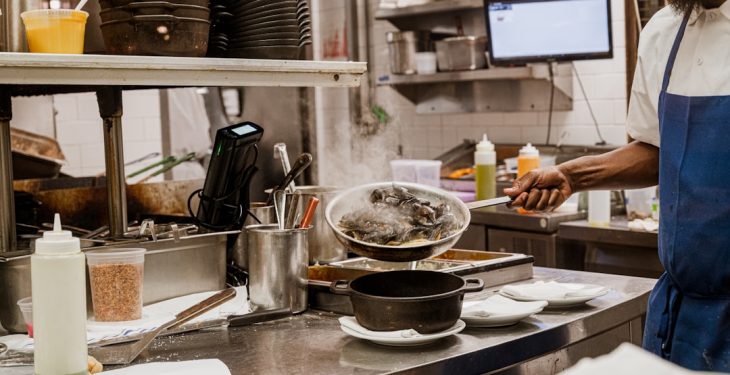
Running a restaurant is exciting. It is also hard. You manage food, staff, bills, customers, and time. Every minute counts. Every dollar matters. This is where artificial intelligence (AI) steps in. AI is not just for big tech companies. It is now helping restaurants work faster, smarter, and cheaper.
TLDR: AI helps restaurants save time and money by automating tasks, improving inventory tracking, reducing food waste, and boosting customer service. It predicts demand, schedules staff better, and speeds up ordering. This leads to fewer mistakes and higher profits. In short, AI makes restaurants more efficient while lowering costs.
What Does AI Actually Do in a Restaurant?
AI sounds complex. But in restaurants, it does simple and practical things. It gathers data. It studies patterns. Then it suggests smart decisions.
Think of it as a super helper. It does not sleep. It does not forget. It keeps learning every day.
Here are common uses:
- Inventory tracking
- Demand forecasting
- Staff scheduling
- Automated ordering kiosks
- Chatbots for reservations
- Delivery route optimization
Each of these tools saves time. And time is money.
Smarter Inventory Management
Food waste is expensive. Very expensive. Restaurants lose thousands of dollars each year from spoiled ingredients.
AI tracks ingredients in real time. It knows what is selling fast. It knows what is not moving. It can even predict future usage based on past sales.
This means:
- You order only what you need.
- You reduce spoilage.
- You avoid running out of popular items.
Imagine knowing you will sell 200 burgers tomorrow because last three Fridays were busy. AI gives you that insight. No guessing. No panic orders.
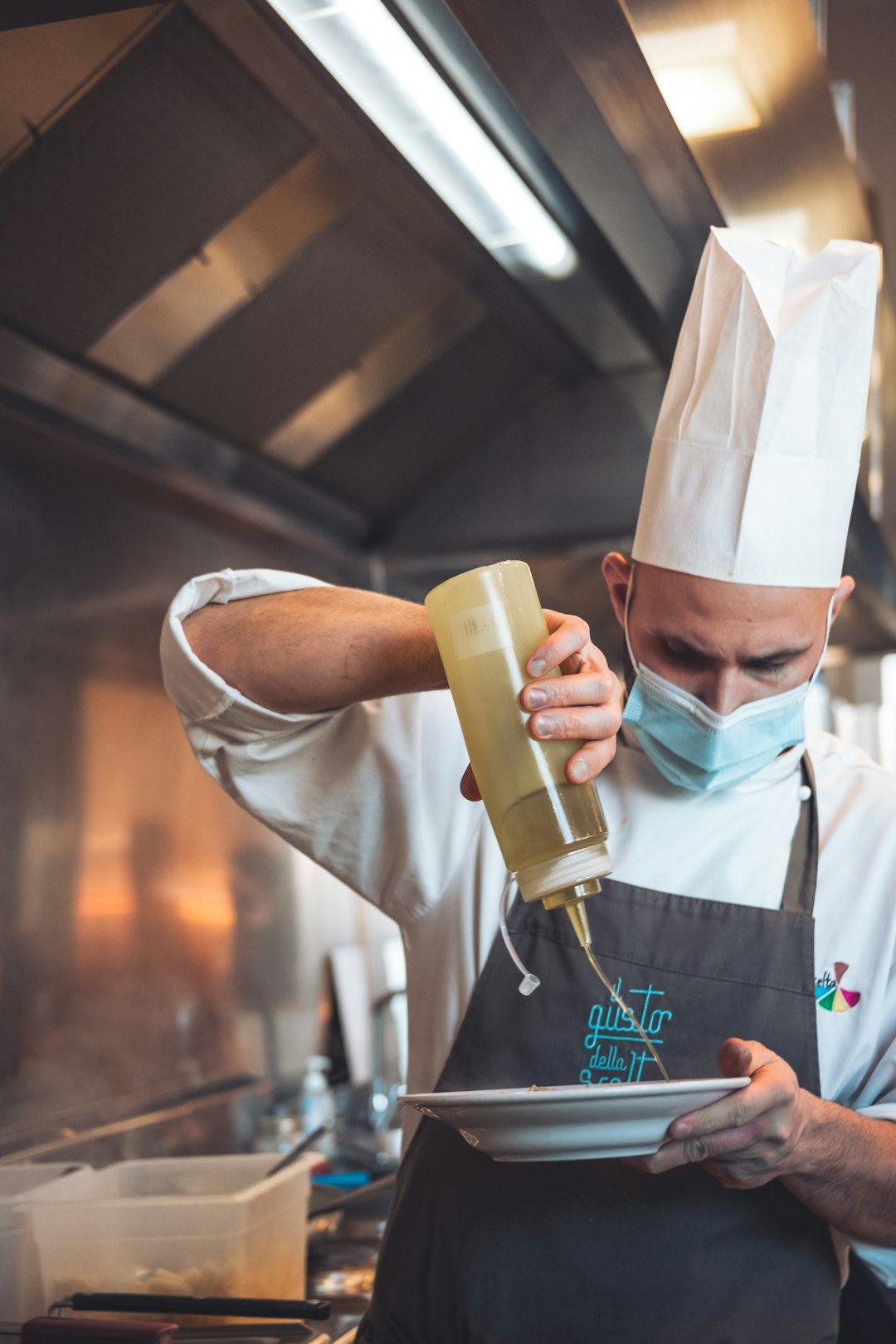
With better tracking, kitchens stay organized. Storage stays clean. And waste goes down. That is direct savings.
Accurate Demand Forecasting
Restaurants have busy days and slow days. Weather matters. Local events matter. Even holidays impact sales.
AI studies all this data. It looks at:
- Past sales numbers
- Weather forecasts
- Local event calendars
- Seasonal trends
Then it predicts future demand.
This helps managers plan properly. They can prepare enough food. They can schedule the right number of staff. They avoid over-preparing or under-preparing.
Over-preparing leads to waste. Under-preparing leads to unhappy customers. AI helps avoid both.
Better Staff Scheduling
Labor is one of the biggest restaurant expenses. Scheduling too many workers increases costs. Scheduling too few causes stress and slow service.
AI scheduling tools analyze busy hours. They match staff availability with predicted demand.
This creates balanced shifts.
Benefits include:
- Less overtime pay
- Fewer last-minute changes
- Happier employees
- Faster service for customers
Employees also like predictable schedules. It improves morale. Happy staff stay longer. And lower turnover saves hiring costs.
Faster Ordering and Shorter Lines
Customers hate waiting. Long lines can drive people away.
AI-powered kiosks and mobile apps speed up ordering. They remember popular items. They suggest add-ons. They even personalize recommendations.
For example:
- “You ordered fries last time. Want them again?”
- “Customers who ordered this also liked dessert.”
This increases average order value. That means more revenue per customer.
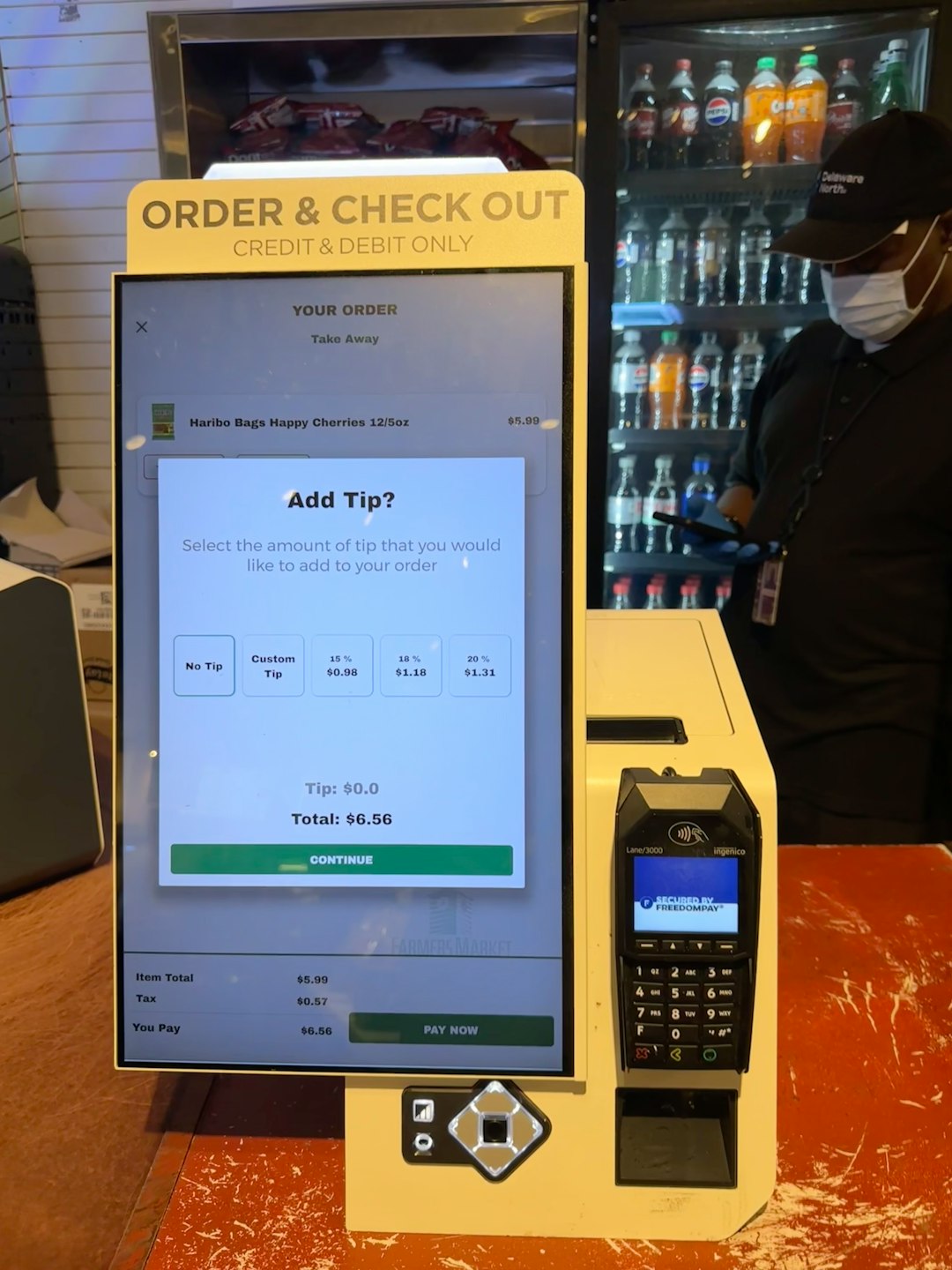
Automated systems also reduce order errors. Fewer mistakes mean less wasted food. And fewer refunds.
Plus, staff can focus on cooking and hospitality instead of only taking orders.
Improved Customer Experience
AI does not replace human warmth. It supports it.
Chatbots handle simple questions like:
- Opening hours
- Menu details
- Reservation bookings
This frees up phone lines. Staff can focus on diners inside the restaurant.
AI can also track customer preferences. It remembers favorite dishes. It tracks allergies. It suggests tailored promotions.
Personal touches build loyalty. Loyal customers spend more over time.
Dynamic Pricing and Smarter Promotions
Some restaurants use AI for dynamic pricing. This means adjusting prices based on demand.
For example:
- Happy hour discounts during slow periods
- Special promotions for rainy days
- Limited offers for items that need to sell quickly
This keeps sales steady. It reduces waste. And it improves cash flow.
AI also tracks promotion performance. It shows what works and what does not. No more guessing.
Reducing Food Waste
Food waste hurts profits and the environment.
AI-powered systems monitor food preparation and storage conditions. Some use smart cameras to track what gets thrown away.
This data reveals patterns.
You may discover:
- Too much soup is prepared daily.
- Salads expire quickly.
- Certain dishes are often returned unfinished.
With this information, you can adjust portion sizes or recipes.
Less waste means lower food costs. It also supports sustainability goals. Customers appreciate eco-friendly businesses.
Optimizing Delivery Operations
Delivery is huge today. But it comes with challenges.
AI helps plan faster delivery routes. It considers traffic and distance. It assigns drivers efficiently.
This leads to:
- Quicker deliveries
- Lower fuel costs
- Better customer reviews
AI can also predict peak delivery times. Restaurants can prepare in advance. No chaos during rush hours.

Preventing Equipment Failures
Kitchen equipment is expensive. If a freezer breaks, food spoils. That is a big loss.
AI systems monitor equipment performance. They detect unusual patterns. They send early alerts before breakdowns happen.
This is called predictive maintenance.
Fixing a small issue early costs less than replacing an entire refrigerator. It also prevents downtime during busy hours.
Data-Driven Decision Making
Many restaurant owners rely on instinct. Experience is valuable. But data is powerful.
AI provides clear reports and dashboards. You can see:
- Best-selling items
- Profit margins per dish
- Peak hours
- Customer return rates
This makes decisions easier.
Maybe your fancy pasta is popular but not profitable. AI shows you the numbers. You can adjust price or ingredients.
Smart decisions improve margins.
Saving Time on Administrative Tasks
Paperwork takes forever. Payroll. Invoices. Supplier payments.
AI automates many administrative tasks. It processes invoices. It tracks expenses. It even helps with tax calculations.
That reduces accounting costs. It also reduces mistakes.
Managers can spend more time improving the guest experience instead of sitting in the office.
Helping Small Restaurants Compete
AI is not just for big chains.
Cloud-based systems are affordable. Many operate on subscriptions. Even small cafes can use them.
With AI, small businesses can:
- Compete with larger brands
- Improve efficiency quickly
- Scale operations smoothly
This levels the playing field.
Is AI Expensive?
Some owners worry about cost. That is normal.
But think long term.
If AI reduces:
- Food waste by 15%
- Labor costs by 10%
- Order mistakes by 20%
The savings add up fast.
Many restaurants see return on investment within months. The key is choosing the right tools for your needs.
The Human Touch Still Matters
AI improves efficiency. But hospitality is human.
Guests return because of friendly smiles. Because of great service. Because of atmosphere.
AI handles the heavy lifting behind the scenes. Staff can focus on what truly matters. Creating amazing dining experiences.
The Future of Restaurants with AI
The future looks smart and connected.
We will see more:
- Voice ordering systems
- Robotic kitchen assistants
- Hyper-personalized marketing
- Real-time performance insights
Restaurants that adapt early will gain an advantage.
The goal is simple. Serve better food. Faster. With less waste. And higher profits.
Final Thoughts
Running a restaurant will always require passion and hard work. But it does not have to be overwhelming.
AI acts like a smart co-manager. It tracks numbers. It spots problems early. It suggests improvements.
The result?
- Lower costs
- Higher efficiency
- Better customer experiences
- Stronger profits
In a competitive industry, every advantage matters. AI gives restaurants the power to work smarter, not harder.
And that is a recipe for success.
