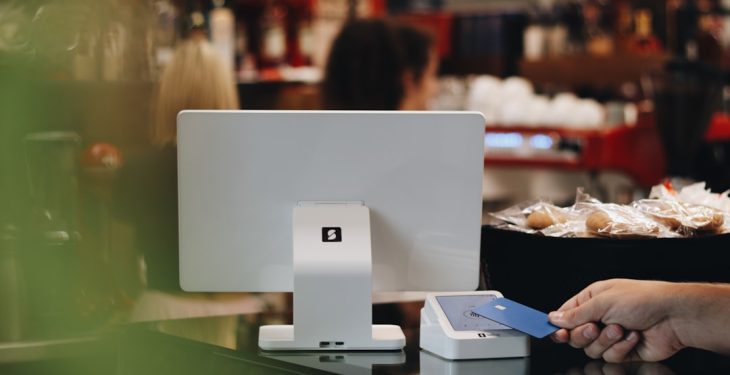
Near Field Communication, commonly known as NFC, is one of the core technologies behind modern contactless payments. It allows a card, smartphone, smartwatch, or payment terminal to exchange information securely over a very short distance. Although the experience feels simple — tap, approve, and go — the process involves established standards, encryption, authentication, and payment network controls designed to protect both consumers and merchants.
TLDR: NFC is a short-range wireless technology that lets devices communicate when they are held close together, usually within a few centimeters. In contactless payments, NFC allows a payment card or digital wallet to transmit secure payment credentials to a terminal without inserting a chip card or swiping a magnetic stripe. The actual card number is usually protected through tokenization and cryptographic verification. Contactless payments are fast, convenient, and generally secure when implemented through trusted banks, card networks, and device wallets.
What Is NFC?
NFC stands for Near Field Communication. It is a wireless communication method that works only at very close range, typically around 4 centimeters or less. NFC is based on radio frequency identification technology, often referred to as RFID, but it is designed for more controlled, two-way communication between compatible devices.
In practical terms, NFC allows two devices to exchange small amounts of data when they are brought close together. This can happen between a payment terminal and a contactless card, between a smartphone and a transit gate, or between two mobile devices. Because the range is intentionally short, NFC is well suited for actions where deliberate proximity matters, such as payment approval, identity verification, access control, and ticket validation.
NFC is not the same as Bluetooth or Wi-Fi. Bluetooth and Wi-Fi are designed for longer-range communication and larger data transfers. NFC is designed for quick, low-volume, close-range exchanges. This makes it particularly useful in payment environments where speed and authentication are more important than transferring large files.
How NFC Works at a Basic Level
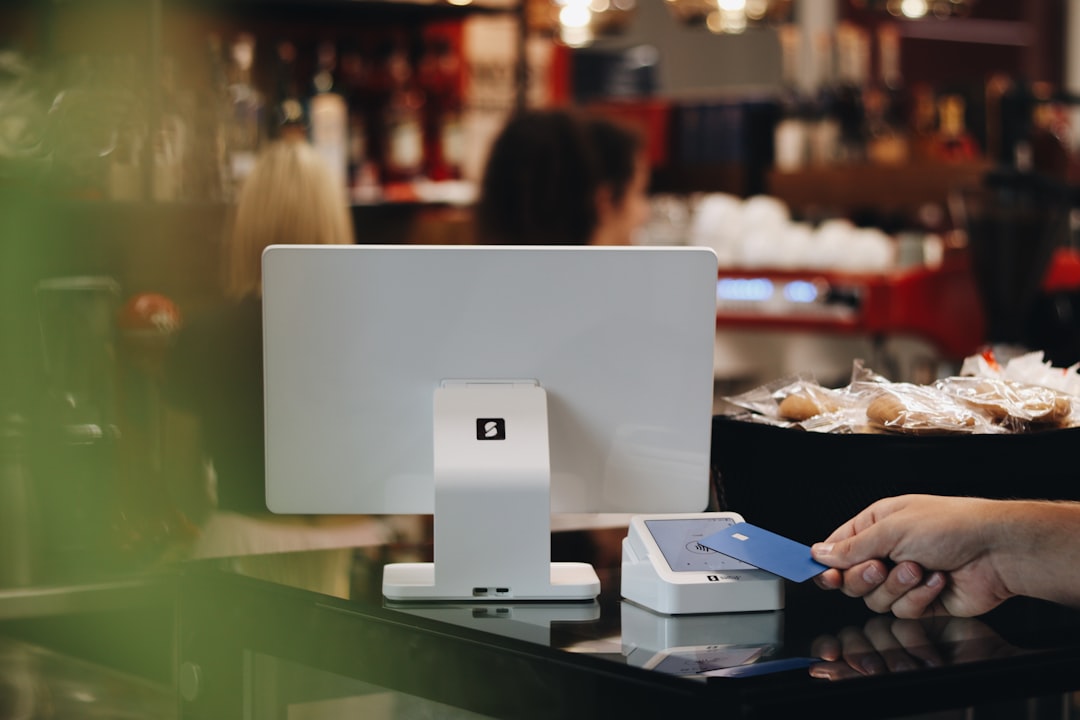
NFC uses electromagnetic fields to allow communication between two compatible devices. In many payment situations, one device acts as the reader, while the other acts as the credential. The reader is usually the payment terminal at a store. The credential may be a contactless bank card, a mobile phone, or a wearable device.
When the card or device is placed near the terminal, the terminal creates a radio frequency field. A contactless card can use energy from that field to power its chip for a brief exchange. A smartphone or smartwatch has its own power source, but it still uses NFC to communicate over the short range. The devices then exchange payment-related data according to strict technical standards.
This entire interaction usually takes less than a second. However, several actions occur during that brief moment:
- The terminal detects the NFC-enabled card or device.
- The payment credential responds with required transaction information.
- Security data is generated to help verify the transaction.
- The transaction is sent through the merchant’s payment processor.
- The bank or card issuer approves or declines the payment.
The consumer only sees the visible result: a beep, checkmark, vibration, or receipt confirmation. Behind the scenes, the payment ecosystem checks whether the payment method is valid, whether the merchant can accept it, and whether the transaction should be authorized.
What Makes a Payment “Contactless”?
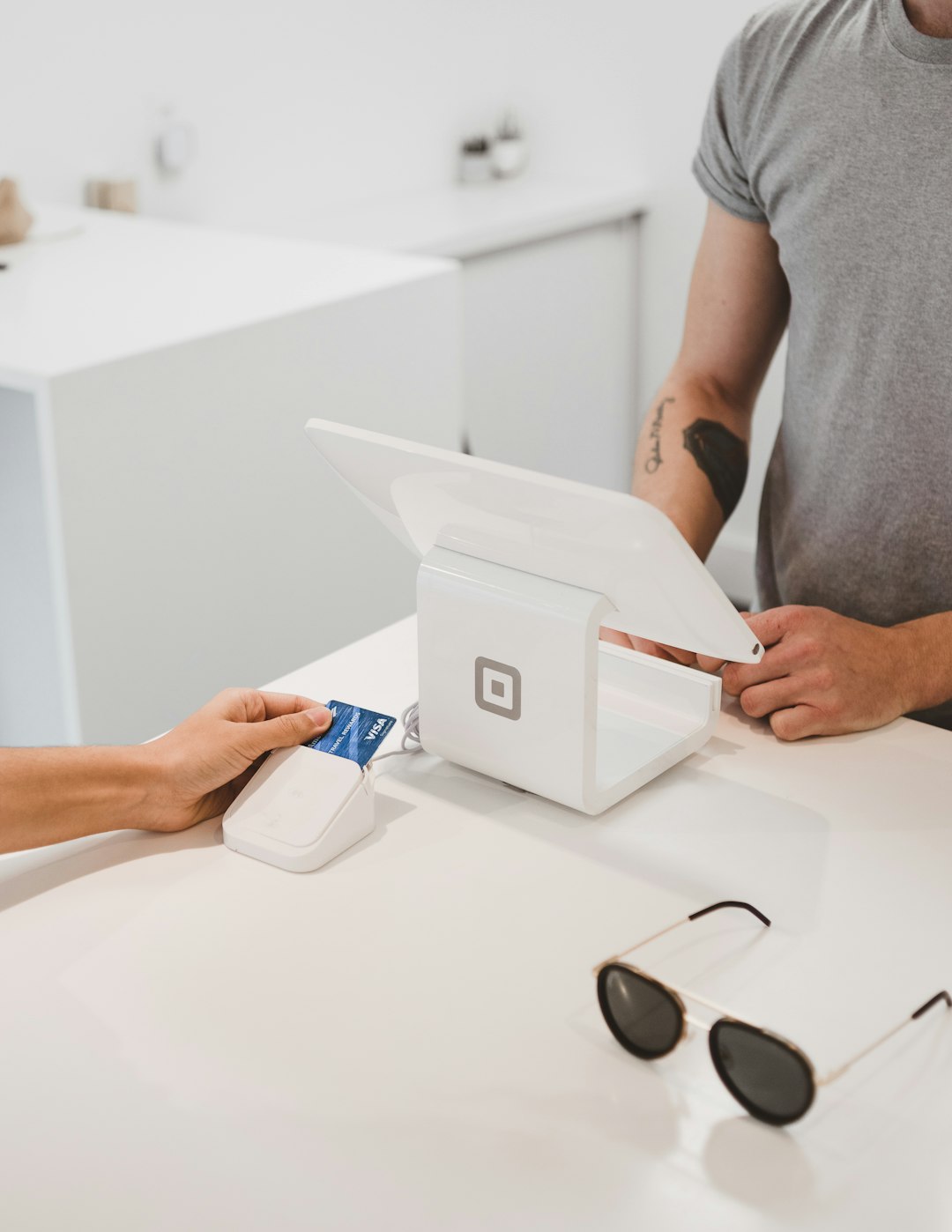
A contactless payment is a payment that does not require the customer to physically insert a card into a chip reader or swipe a magnetic stripe. Instead, the customer taps or holds a card or device near a compatible reader. The term “tap” is commonly used, though physical contact is not always necessary. The devices simply need to be close enough for NFC communication.
Contactless payments can be made using several types of credentials:
- Contactless debit or credit cards with an NFC antenna and chip.
- Smartphones using digital wallets such as bank-supported mobile wallets.
- Smartwatches and wearables that store payment credentials securely.
- Transit cards or closed-loop payment cards used in specific systems.
Many contactless cards display a symbol that looks like four curved lines, similar to a sideways Wi-Fi icon. This symbol indicates that the card can be used at NFC-enabled terminals. Payment terminals often show the same symbol to indicate that contactless payments are accepted.
How Contactless Card Payments Work
When you tap a contactless card, the card’s embedded chip communicates with the merchant’s terminal. Unlike old magnetic stripe cards, which contain static data, modern chip-based contactless cards can generate dynamic security information for each transaction. This helps reduce the usefulness of stolen transaction data.
A simplified version of the card payment process looks like this:
- You tap the card near the terminal.
- The terminal reads payment data from the card’s chip.
- The chip produces a dynamic cryptographic code for that specific transaction.
- The merchant’s system sends the transaction to its payment processor.
- The transaction travels through the card network to the issuing bank.
- The issuer checks risk, funds, and account status, then approves or declines the payment.
The important point is that contactless card payments are not simply broadcasting a card number in an unprotected way. They rely on standards developed by the payments industry, including EMV specifications, to authenticate transactions and reduce fraud.
How Mobile Wallet Contactless Payments Work
Mobile wallet payments add another layer of security and control. When a payment card is added to a smartphone or smartwatch, the actual card number is typically not stored directly on the device in ordinary form. Instead, the wallet provider, card network, and issuing bank usually create a token, which is a substitute payment credential.
This process is known as tokenization. A token can be used for payments but is not the same as the original card number. If a token is compromised, it can often be restricted, replaced, or disabled without replacing the physical card itself. Tokens may also be limited to a specific device, merchant, or transaction context.
When you pay with a mobile wallet, the steps often include:
- User authentication: You unlock or approve the payment with a passcode, fingerprint, face recognition, or device security method.
- NFC communication: The device transmits payment data to the terminal at close range.
- Token use: The wallet provides a token rather than exposing the original card number.
- Cryptographic verification: A dynamic code helps confirm that the transaction is legitimate.
- Issuer authorization: The issuing bank decides whether to approve the payment.
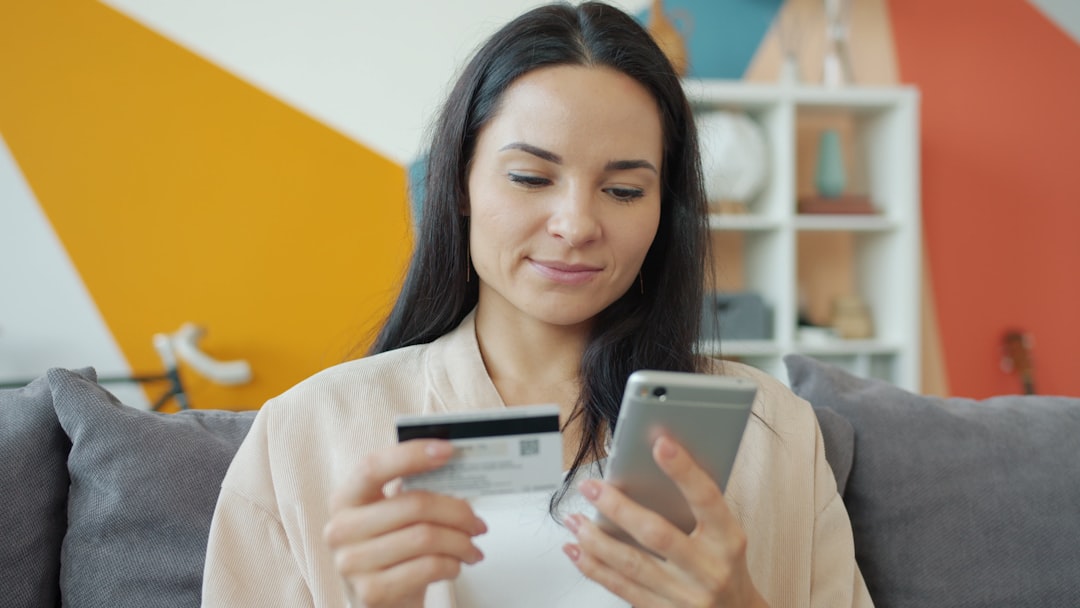
This is why mobile wallets are often considered highly secure when used on properly protected devices. The phone’s lock screen, biometric controls, secure hardware, tokenization, and transaction cryptography all work together to reduce risk.
Is NFC Secure?
NFC payment systems are designed with security in mind, but no payment method is completely risk-free. The security of contactless payments comes from a combination of short communication range, chip-based authentication, dynamic transaction data, tokenization, and issuer fraud monitoring.
The short range of NFC makes casual interception more difficult than with longer-range wireless technologies. A malicious actor would generally need to be very close to the card or device, and even then, useful payment data may be limited by encryption and dynamic codes. In real-world fraud scenarios, criminals usually prefer easier methods, such as phishing, stolen credentials, compromised online accounts, or social engineering.
Contactless cards may still have certain risks if lost or stolen, especially for low-value transactions that do not require a PIN. However, banks and payment networks typically apply transaction limits, fraud monitoring, and customer protection rules. If a card is lost, it should be reported to the issuer immediately so it can be blocked.
Mobile wallets provide additional protections because the device usually must be unlocked or the payment approved before the wallet can be used. A lost phone is not automatically the same as a lost card if it is protected by strong authentication. Users should still enable remote lock or erase features and keep account recovery methods secure.
What Happens If Two Contactless Cards Are Near the Terminal?
If a wallet contains multiple contactless cards and is placed against a terminal, the reader may have difficulty identifying which card should be used. In some cases, the terminal may reject the transaction or ask the customer to present only one card. This is not usually a security issue; it is a communication issue caused by multiple NFC credentials responding at the same time.
For reliable payments, it is best to tap only the intended card or device. Mobile wallets solve this problem more clearly because the user normally selects a default card or chooses a specific card before paying.
How NFC Differs from QR Code Payments
NFC and QR code payments are both used for convenient checkout, but they work differently. NFC uses short-range radio communication between a payment device and a terminal. QR code payments use a visual code scanned by a camera or displayed to a scanner.
NFC is often faster at physical checkout because the user only needs to tap the card or device. QR code payments can be useful in environments where card terminals are less common or where payment apps are widely adopted. However, QR codes require careful handling because malicious codes can redirect users to fraudulent websites or payment requests. Trusted apps and verified merchant screens are important for QR-based payments.
Benefits of NFC Contactless Payments
NFC has become widely adopted because it offers clear advantages for consumers, merchants, banks, and transit operators. The most important benefits include:
- Speed: Transactions are typically completed in seconds, reducing checkout delays.
- Convenience: Customers do not need to insert a card, enter a PIN for every small purchase, or handle cash.
- Hygiene: Less physical contact with terminals can reduce shared surface interaction.
- Security: Dynamic cryptographic data and tokenization help protect payment credentials.
- Compatibility: NFC works across many cards, phones, watches, and payment terminals.
- Operational efficiency: Faster lines can benefit retailers, cafes, transport systems, and event venues.
Common Misconceptions About NFC
Despite its widespread use, NFC is sometimes misunderstood. One common misconception is that contactless cards can be charged from across a room. In reality, NFC requires very close proximity. Another misconception is that every tap sends the same reusable card data. Modern contactless payment systems generally use dynamic transaction information, making simple replay attacks much more difficult.
Some people also believe that mobile wallets are less secure because they are digital. In many cases, the opposite is true. A well-secured mobile wallet can protect the original card number, require biometric or passcode approval, and allow the user to disable payments remotely if the device is lost.
Practical Safety Tips for Users
Consumers can use NFC payments safely by following basic security practices. These steps are straightforward but important:
- Use strong device locks on phones and wearables, including biometrics where available.
- Enable transaction alerts from your bank or card issuer.
- Report lost cards or devices immediately so payment access can be suspended.
- Keep mobile operating systems updated to receive security patches.
- Review statements regularly and dispute unfamiliar transactions promptly.
- Tap only at trusted payment terminals and avoid suspicious payment prompts.
For most users, these precautions are enough to keep contactless payments both convenient and safe. The strongest protection comes from combining responsible personal habits with the security controls already built into modern payment networks.
The Future of NFC and Contactless Payments
NFC is likely to remain an important part of in-person payments for years to come. As more businesses upgrade terminals and more consumers adopt mobile wallets, contactless payments will continue to grow. Public transport, access control, loyalty programs, event ticketing, and identity verification may also rely increasingly on NFC-based interactions.
At the same time, payment security will continue to evolve. Tokenization, biometric authentication, risk-based transaction monitoring, and secure hardware are expected to become even more sophisticated. The goal is to make legitimate payments faster while making fraud harder and less profitable.
NFC makes contactless payments possible by combining short-range wireless communication with modern payment security standards. The technology is simple from the user’s perspective, but it is supported by a mature infrastructure involving banks, card networks, processors, device manufacturers, and merchants. When used properly, NFC payments offer a serious balance of convenience, speed, and security — which is why tapping to pay has become a normal part of everyday commerce.
